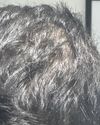
Female using Rogaine foam for hair loss had scalp punch biopsy, diagnosed with Androgenetic Alopecia (AGA). Doctor recommended starting Spironolactone 50mg.
A user shared their year-long hair loss treatment using minoxidil, microneedling, and scalp massages, reporting moderate hair growth and stabilization. They suggest starting early with less harmful methods and consider adding finasteride or dutasteride if needed.
Clascoterone phase 3 results show promising improvements in hair count, but concerns about high costs and lack of detailed data remain. Users compare it to existing treatments like Minoxidil and Finasteride, expressing skepticism about its accessibility and effectiveness.
Hair loss treatments and the user's progress with taking finasteride and minoxidil orally, which has resulted in full recovery after 5 months. Users commented on this progress and discussed their own experiences or confusion about the treatments used.
A rigorous and extensive regimen for hair regrowth, including oral and topical minoxidil, finasteride, dutasteride, RU58841, various oils, supplements, and lifestyle changes, is discussed with skepticism and humor. The consensus is that such an extreme routine is impractical and potentially harmful, with no guaranteed results.
User discusses hair regrowth using RU58841, minoxidil, and dutasteride. Many users praise the progress and ask about the treatments' effectiveness and side effects.
Hair loss treatments like Minoxidil, finasteride, and RU58841, focusing on their effectiveness and side effects. It also highlights the disparity in medical research funding between hair loss and conditions like endometriosis.
Breezula shows promising hair growth results, with up to 539% increase in hair count compared to placebo, and regulatory submissions are planned in the US and EU. Users are cautiously optimistic, noting the potential for Breezula to replace finasteride by targeting DHT without systemic effects.
Hair loss treatments like finasteride, minoxidil, and dutasteride work but have side effects. A permanent cure is still not available due to the complexity of hair loss and limited investment.
Addressing hair loss by focusing on posture, blood flow, and craniofacial development. Methods include improving posture, cardiovascular activity, scalp massages, healthy diet, meditation, using minoxidil, and addressing craniofacial issues.
Clascoterone (Breezula) shows promising hair growth results, but skepticism remains due to past disappointments with new treatments. It may be a good alternative for those who can't tolerate finasteride or dutasteride, and can potentially be combined with them and minoxidil for better results.
Hair loss treatments like minoxidil, finasteride, and dutasteride can stabilize hair loss and sometimes regrow hair, but many people still opt for hair transplants, often in Turkey, due to cost and convenience. However, transplants require ongoing medication to maintain results, and not all clinics offer high-quality outcomes.
The conversation discusses hair regrowth possibilities using finasteride, minoxidil, microneedling, and dutasteride, with the user experiencing improvement from NW4 to NW2. Achieving NW0 is deemed unrealistic, but further regrowth may be possible with patience and potentially a hair transplant.
Hair regrowth and gender transition using finasteride, estrogen, and spironolactone. Significant hair regrowth and personal transformation were achieved through hormone replacement therapy.
The conversation humorously discusses hair loss treatments, mentioning scalp massage, minoxidil, and the ineffectiveness of devices like the "Gr0wBand." It highlights the role of androgens in hair loss and suggests that increased blood flow from massage may not significantly impact hair growth.
Hair regrowth typically levels out after several months of treatment with finasteride, dutasteride, and minoxidil, with many users experiencing stabilization rather than significant regrowth. Starting treatment early is crucial, as regrowth is rare beyond Norwood 3 without additional interventions like hair transplants.
A 20-year-old is experiencing hair thinning and seeks advice on starting treatment and regrowing hair. They are considering using Minoxidil, finasteride, or RU58841.
Noticeable hair regrowth occurred after two months of using minoxidil and starting finasteride. Users suggested continuing the treatment and considering microneedling for better results.
Hair loss treatments include finasteride, minoxidil, microneedling, dutasteride, CB-03-01, RU-58841, and experimental options like KY-19382 and stem cell therapy. Some treatments are considered ineffective or risky, such as ketoconazole, PRP, and low-level laser therapy.
PP405 shows promise in hair regrowth, with 31% of participants experiencing over 20% increase in hair density after 8 weeks. Phase 3 trials are expected in 2026, with potential market availability by 2029-2031.
Hair loss treatments discussed include finasteride, minoxidil, spironolactone, and estradiol, with concerns about side effects like sexual dysfunction and feminization. Some users prefer hair transplants or shaving over medication due to potential side effects.
A user reversed hair loss using 10% sulfur soap, which reduced scalp inflammation and possibly demodex mites. The user did not use finasteride or minoxidil, suggesting inflammation may contribute to hair loss.
Creatine may worsen hair loss in some, especially with androgenic alopecia, but evidence is mixed. Some users experience no hair loss when using creatine with minoxidil and finasteride, while others notice increased shedding.
People discussed starting hair loss treatments like finasteride, dutasteride, and minoxidil due to personal experiences or comments about their hair loss. Some reported positive results, while others mentioned side effects or switching treatments.
The user experienced significant hair regrowth using dutasteride (0.5 mg three times a week) and RU58841 (5% once a day), with no side effects reported from RU58841. They are considering increasing the RU58841 dose or adding minoxidil for further improvement.
Some users believe John Harper's hair regrowth claims using dermarolling, coffee, and oils are misleading, while others defend his methods. The conversation highlights skepticism about alternative treatments and emphasizes finasteride, dutasteride, and minoxidil as proven solutions for hair loss.