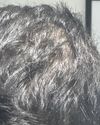
A user shared progress pictures after 2 years on 0.5mg finasteride daily, also using minoxidil, showing significant hair improvement. The user noted their hairline is almost fully recovered.
The user is using oral finasteride, topical minoxidil, Nizoral, dermarolling, a hair thickening conditioner, and hair vitamins for hair loss treatment. They stopped taking testosterone due to medical reasons and are now technically on estrogen, but it's unclear if this impacts their hair growth.
Genetics mainly cause hair loss, but diet, stress, smoking, and alcohol can worsen it. Treatments include finasteride, minoxidil, and lifestyle changes like a healthy diet and avoiding caffeine.
A user started taking finasteride for hair loss and asked about its effects, the use of Tretinoin for hair growth, the right time to start minoxidil, and the effectiveness of microneedling. The responses advised patience with finasteride, suggested minoxidil as a last resort, doubted microneedling's help with finasteride, and stated no need for microneedling with Tretinoin.
A user named "EgyptStar81" who has been dealing with hair loss since age 15 due to genetics, chemotherapy and finasteride/minoxidil treatment. Possible solutions such as dutasteride, oral minoxidil, hair transplants and extensions were suggested.
User discusses hair regrowth using RU58841, minoxidil, and dutasteride. Many users praise the progress and ask about the treatments' effectiveness and side effects.
Treatments for hair loss, including the use of minoxidil and microneedling; as well as discussing the potential of using finasteride or a ketoconazole shampoo.
A user visited a dermatologist for hair loss and was prescribed Minoxidil without a physical examination, leading to skepticism about the thoroughness of the appointment. The user is considering seeking a second opinion due to the lack of tests or physical checks.
The user is experiencing sudden hair loss and is considering micro-needling, low-level light therapy, iron supplements, folihair, and Omega 3. They are hesitant to start finasteride, suspecting the hair loss might be due to telogen effluvium from a past COVID-19 infection.
A user shared their 11-year journey with alopecia, using finasteride, dutasteride, and a hair transplant. They encouraged others not to panic, noting that hair miniaturization can take over 15 years to complete.
An 18-year-old experiencing aggressive hair loss has been using 1mg finasteride and 2.5mg oral minoxidil for 162 days but continues to shed hair. Suggestions include switching to dutasteride, considering topical minoxidil, and consulting a dermatologist for further evaluation.
A 20-year-old is experiencing hair thinning and seeks advice on starting treatment and regrowing hair. They are considering using Minoxidil, finasteride, or RU58841.
A user reversed hair loss using 10% sulfur soap, which reduced scalp inflammation and possibly demodex mites. The user did not use finasteride or minoxidil, suggesting inflammation may contribute to hair loss.
Some users believe creatine may accelerate hair loss, while others see no effect. Opinions are mixed, with some suggesting using treatments like finasteride to counter potential effects.
A transwoman shared her 11-month progress using hormone replacement therapy (HRT), finasteride, and minoxidil, reporting significant hair regrowth and satisfaction with the results. The discussion included various perspectives on HRT, its effects on hair and sexual function, and personal experiences with similar treatments.
A transgender woman experienced significant hair regrowth after 18 months of hormone replacement therapy (HRT) with estrogen and bicalutamide. The discussion notes HRT's effectiveness for hair regrowth but warns against its use for cisgender men due to feminizing effects.
The user had a hair transplant five years ago and started using minoxidil three months ago. Commenters recommend adding finasteride or other DHT blockers to prevent further hair loss and maintain results.
Hair loss is linked to cellular physiology and the IGF-1 to TGF-B1 ratio, not just androgen sensitivity. The theory lacks evidence, while finasteride and minoxidil are effective treatments.
The user experienced significant hair loss after 9 months of using 0.5mg dutasteride and oral minoxidil, possibly due to alopecia areata. It is advised to consult a doctor for accurate diagnosis and treatment, as dutasteride and finasteride may not be effective.
A 17-year-old is experiencing early hair thinning and is considering oral minoxidil while being cautious about finasteride due to side effects. They seek advice on hair maintenance and plan to consult a doctor before using DHT blockers.
Justin Trudeau's full head of hair at 53 is humorously attributed to unpredictable genetics and possible use of finasteride. The conversation jokes about a resemblance to Fidel Castro, suggesting genetic luck or treatment use.
Unwanted hair growth from minoxidil use, with suggestions to reduce dosage or switch to finasteride. Users recommend hair removal methods like shaving, waxing, or electrolysis to manage excess facial hair.
Dutasteride may not effectively stop scalp hair loss and can cause thinning of facial and body hair, including eyebrows. Users suggest considering other causes like autoimmune conditions or vitamin deficiencies and exploring treatments like finasteride or minoxidil.
An 18-year-old is using finasteride for hair loss prevention despite having a healthy hairline. Opinions are mixed, with some advising against its use at his age and others supporting his proactive approach.
PP405 significantly improves hair density, outperforming finasteride, with 31% of users seeing over 20% improvement in four weeks. Concerns exist about its availability, cost, and long-term effects.
Creatine does not significantly affect DHT levels or cause hair loss. Some users continue using finasteride and minoxidil while taking creatine, expressing skepticism about its impact on hair loss.