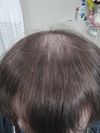
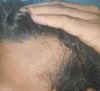
A male in his early 20s with CCCA (scarring alopecia) started treatment with Finasteride, Fluocinolone, and Doxycycline. Steroid injections were suggested but not yet done.
A 24-year-old male using topical finasteride for hair loss is experiencing thinning despite treatment and has high estrogen levels. He is seeking advice on whether high estrogen could be causing hair loss and how others with high estrogen levels have addressed it.
A 25-year-old male with normal hormone levels is considering starting finasteride and minoxidil for hair loss but is concerned about high estradiol levels and potential side effects. Responses vary, with some suggesting blood tests before starting treatment and others emphasizing individual tolerance and the importance of consulting a doctor.
A 24-year-old male experienced an increase in estradiol levels and symptoms like gynecomastia and excessive sweating after using Minoxidil for hair loss. His estradiol levels decreased after he stopped using Minoxidil.
A user was diagnosed with male pattern baldness and prescribed biotin, vitamin D, a hair serum, fluocinolone shampoo, and a gel with minoxidil and finasteride. Other users suggest focusing on oral finasteride and minoxidil, questioning the necessity of the other treatments.
A male with early-stage hair loss experienced severe side effects, including sexual dysfunction from finasteride and increased heart rate and fatigue from high-dose minoxidil, leading to discontinuation of both treatments. He is now relying on DHT-blocking shampoos and awaiting new treatments.
A 25-year-old male has been using topical finasteride (0.1%) and minoxidil (5%) for almost two years with no visible improvement but stable hair loss. Suggestions include switching to oral finasteride and minoxidil, considering stronger treatments like dutasteride, and consulting a doctor for personalized advice.
A 41-year-old male has been using a combination of treatments for hair regrowth, including finasteride, minoxidil, a laser cap, ketoconazole shampoo, and rosemary oil, with some progress noted. He is maintaining his current regimen in hopes of a future miracle drug while considering hair transplants and other treatments like dutasteride and copper peptides.
A 19-year-old male has been using 1mg oral finasteride daily for over four months without seeing improvement in hair loss, feeling it may have worsened. Another user reassures him that noticeable results can take up to a year and early shedding is normal.
A 29-year-old male experienced significant hair regrowth over 8 months using a protocol of oral Minoxidil, Dutasteride, Pyrithione Zinc Shampoo, and peptides GHK-CU, BPC-157, and TB-500. The treatment led to improved scalp coverage, reduced hair loss, and thicker hair, although results may vary for others.
A 24-year-old male is experiencing a receding hairline and is advised to use topical minoxidil for hair regrowth, while being cautious about finasteride due to potential side effects. Adding ketoconazole shampoo is suggested for scalp health, and consistent use of minoxidil is recommended for noticeable results in 3-6 months.
A 22-year-old male is using topical dutasteride, minoxidil, tretinoin, and microneedling for hair loss, experiencing some side effects like mild ball pain and initial shedding but seeing progress in hair thickness. He plans to increase the dutasteride dose and has tried various treatments, including finasteride and RU58841, with differing side effects.
A 23-year-old male has been using oral dutasteride and minoxidil for 1.5 years for temple recession, adding topical minoxidil and tretinoin 5-6 months ago, and recently adjusted thyroid medication and added iron supplements due to deficiencies. He noticed some baby hairs but no significant growth yet, and reports no shedding on dutasteride.
A 23-year-old male is experiencing no progress with hair loss despite using oral minoxidil and finasteride, and is considering dutasteride. He also reports experiencing erectile dysfunction, possibly due to starting lexapro.
A 25-year-old male with seborrheic dermatitis and hair thinning seeks advice on the severity of his condition and treatment options. Oral finasteride and oral minoxidil are recommended as the most effective long-term treatments.
A 33-year-old male shared his 3-month progress using 1mg oral finasteride and 2.5mg oral minoxidil, along with supplements and serums, reporting thicker hair and new growth in thinning areas without side effects. Users suggested considering dutasteride or a hair transplant for better results, while others encouraged continuing the current regimen for at least a year.
A 23-year-old male has been using finasteride and topical minoxidil for 14 months with slight improvement, but recent shedding led him to switch to a new minoxidil formulation without success. He is considering using topical RU58841 or dutasteride to better address scalp DHT, as his bloodwork shows high total testosterone and mid-range DHT levels.
A 30-year-old male is experiencing hair loss and is concerned about his receding hairline, seeking advice on his Norwood scale classification. He is apprehensive about using Minoxidil and finasteride as treatments.
A 34-year-old male shares his 4-month progress using Minoxidil 5%, Finasteride 0.2% liquid, Tretinoin 0.01% liquid, and a dermaroller once a week for hair regrowth, reporting no side effects and noticing baby hairs on the crown. He prefers topical treatments over oral Finasteride and is optimistic about further progress.
A 24-year-old male is concerned about hair loss, possibly at Norwood stage 3 to 5, and has started using Minoxidil, shampoo, and hair fibers, while planning to get finasteride. He is worried about the shedding process affecting his progress.
A 25-year-old male experienced increased testosterone and estradiol levels after starting finasteride for hair loss, leading his doctor to suggest a testicular ultrasound as a precaution. The user questions the necessity of the ultrasound, considering it potentially excessive, while others suggest it could be a useful precaution to rule out any issues.
A 28-year-old male reported significant hair regrowth using 5mg minoxidil and 0.5mg dutasteride over five months, with occasional ketoconazole use. Users discussed side effects like stuffy nose and low libido, and shared experiences with different hair loss treatments.
A 24-year-old male is experiencing hair thinning and feels hopeless, considering treatments like finasteride and minoxidil but is concerned they might not work. He is also contemplating a dermatologist visit and is unable to afford a hair transplant.
A 24-year-old male has been using oral Minoxidil (2.5mg daily) and daily Dutasteride for hair loss, noticing slight thickening but no major regrowth. Users suggest increasing Minoxidil dosage to 5mg and maintaining consistency, with some recommending additional treatments like topical Minoxidil or considering a hair transplant in the future.
A 20-year-old male has been experiencing hair loss since age 16 and has tried various treatments including topical minoxidil, topical and oral finasteride, and oral dutasteride with minoxidil, but has not seen significant improvement. He is currently using 1.5mg dutasteride and 5mg oral minoxidil daily, along with derma penning, and is seeking advice on regrowing hair to avoid using hair fibers.
A 29-year-old male experienced hair loss and reduced libido after heavy drinking from 2020 to 2024, and began using finasteride (1mg daily) and minoxidil (5% topical, once daily) in January 2026, noticing thicker hair but no new regrowth after three months. He also introduced derma rolling in February and plans to continue treatment for 6–12 months before fully assessing results.
A 29-year-old male has been using topical finasteride (0.1%) and minoxidil (5%) for 2.5 months and noticed thicker, darker hair. He is considering whether to switch treatments, as the current regimen seems effective.
A 19-year-old male using 1 mg finasteride every two days for hair loss reports no side effects and believes maintaining his current hair condition is progress. Some users see no difference in hair regrowth, attributing changes to lighting.
A 25-year-old male shared his successful hair regrowth journey using oral minoxidil, topical minoxidil, finasteride, and dutasteride. He experienced initial regrowth, a shedding phase, and then improved hair density, advising others not to panic during shedding and to act early on hair loss.
A 26-year-old male with early hair thinning is using finasteride, topical minoxidil, and supplements for deficiencies in iron, B12, and vitamin D3. He is considering adding oral minoxidil to his treatment plan.