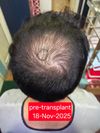
Chris's hair transplant looks better, but the hairline is criticized for being too straight and unnatural. Some recommend using finasteride and minoxidil for maintenance.
The user experienced hair recovery using oral dutasteride 0.5 mg and oral minoxidil 5 mg daily, considering increasing dutasteride dosage but concerned about cost and effectiveness. They noted progress and discussed alternatives like hair transplants and other medications.
PTD-DBM is being explored for hair regrowth by targeting CXXC5, with clinical trials expected after pre-clinical studies. Users express anticipation and skepticism about its effectiveness.
CB 03 01 (Breezula) was tried for hair loss but showed no significant improvement, with issues in dissolving and application. Finasteride and dutasteride remain the most effective treatments, while minoxidil is also used; CB's effectiveness is questioned, and topical alternatives like bicalutamide are considered.
The user has been using oral minoxidil, finasteride, and ketoconazole for hair loss but feels their condition has worsened over six months. They are considering whether to continue with the current treatment or try additional methods.
Microneedling combined with latanoprost may convert vellus hairs to transitional or terminal hairs. The user suggests using oral minoxidil to increase vellus hair, then applying a high concentration of latanoprost with microneedling for conversion.
A user shared their 3.5-4 month progress using Topical Minoxidil, Oral Finasteride, Keto 1%, and Dermastamp, reporting positive results despite some shedding and flaking. Replies praised the progress and inquired about the treatment routine and temple condition.
The user is happy with their 2-month progress using a 3-in-1 oral tablet containing finasteride, minoxidil, and biotin, with minor side effects like slightly lower libido. They report no significant issues like breakouts and note that oral treatments are more effective than topical ones.
A 31-year-old Indian man shared his 6-month hair loss progress using oral finasteride and topical minoxidil, showing noticeable improvement. Replies were positive, noting thicker hair and a better hairline.
A 17-year-old is experiencing early hair thinning and is considering oral minoxidil while being cautious about finasteride due to side effects. They seek advice on hair maintenance and plan to consult a doctor before using DHT blockers.
The post discusses hair growth progress after using oral minoxidil and oral finasteride for four months, following a hair transplant. The user notes improved hair thickness, particularly in the mid scalp and crown areas.
Male pattern baldness (MPB) may be influenced by androgen receptors in scalp hair follicles and potentially poor blood flow. Transplanted hair is not immune to DHT, and factors like inflammation and scalp tension might also contribute to hair loss.
Cosmo Pharmaceuticals has enrolled about 850 out of 1400 patients for their phase 3 clinical trials of clascoterone (Breezula) and claims to be on schedule. The conversation is about hair loss treatments.
A user shared progress pictures after using finasteride and minoxidil for two years, showing significant hair improvement. The user started treatment at age 20 and reported no side effects.
The conversation humorously discusses hair loss, focusing on the envy of an older man, Massimo Cacciari, who has a full head of hair. Treatments mentioned include finasteride, minoxidil, RU58841, and hair transplants, with some users expressing dissatisfaction with baldness and considering various solutions.
The user has been using oral finasteride and minoxidil for hair loss since October 2024, with noticeable progress, and is considering switching to a new regimen including dutasteride, minoxidil, and biotin. They are seeking advice on the new treatment plan and its potential effects.
The conclusion of the conversation is that oral minoxidil has been effective in saving and restoring hair, but it may have diminishing returns as you age. It is suggested to consider using finasteride in addition to minoxidil for better results.
The user experienced significant hair regrowth using oral Minoxidil (5mg daily) for 18 months and Finasteride (1mg daily) for 5 months, with minimal side effects. The combination stopped hair loss and improved hair thickness, although a hair transplant is still considered for a receded hairline.
Clascoterone has shown promising results in increasing hair density without systemic side effects, potentially offering benefits similar to finasteride. There is skepticism due to the lack of published photos despite the market interest.
Concerns about hair loss treatments like finasteride and minoxidil not being administered during a coma. Dutasteride remains in the system longer, and hair loss may not be immediate if treatment stops temporarily.
A 28-year-old male shares his 7-month progress after a crown hair transplant, using topical minoxidil foam, finasteride, and microneedling. He seeks feedback on whether his crown's progress is typical and if further thickening is expected between months 7 and 12.
The user has been using oral finasteride 1mg and oral minoxidil 2.5mg daily since late 2024 and reports positive progress in hair growth without side effects, though some unwanted hair growth on hands and arms. The user is 26 years old and started losing hair around age 20 or 21.
The user reports improved hair condition after 6 months of oral finasteride and 3 months of topical minoxidil, using a q-tip for application, and incorporating Nizoral shampoo and weekly natural oil treatments. Commenters are impressed with the positive results on the user's hairline.
The user experienced hair regrowth with oral minoxidil and finasteride but faced aggressive hair loss after developing IBS, questioning if the condition affects medication absorption. They are considering switching to topical treatments.
Starting hair loss treatment early is crucial for better results. Dutasteride and finasteride are effective, with dutasteride often considered superior, while oral minoxidil shows better gains than topical.
A user's progress with a hair loss treatment regimen consisting of minoxidil, finasteride, and dermarolling once a week over four months; other users have offered encouragement and advice.
A 22-year-old is using a hair loss treatment stack of 5% topical minoxidil, 0.1% topical finasteride, and oral minoxidil. They are avoiding oral finasteride due to concerns about side effects and hope this combination will stop thinning and promote regrowth.
A user shared their 4-month progress using a topical solution with 5% minoxidil and 0.1% finasteride, applied twice daily. They reported good results despite occasional missed applications.