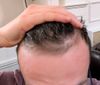
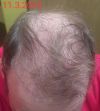
Hair loss can stabilize at a certain level and may not be permanent, especially if hormonal. The user experienced hair regrowth after using fish oil and derma rolling, but is hesitant to use Minoxidil or finasteride.
Minoxidil is highly toxic to cats and can be fatal with minimal exposure. Users suggest switching to oral minoxidil or taking precautions to prevent pet exposure.
OP experienced thicker hair and less shedding with Nutrafol Women’s Balance but had flushing due to ingredients, and is considering switching to Viviscal Pro with saw palmetto. A user shared that Viviscal increased shedding for both him and his girlfriend, and suggested stopping Nutrafol if the hair loss is due to Telogen effluvium.
The conversation discusses the effectiveness of Vichy's Dercos shampoo, which contains aminexil, niacinamide, AHA, and Vitamin E, for hair issues. One user mentions success with Vichy's serum containing 1.5% aminexil in reducing hair shedding.
OP experienced diffuse thinning for 11 years and used Minoxidil and Finasteride previously. They now use Pyrilutamide 0.5% and Alfatradiol 0.1%, resulting in significantly reduced hair loss.
VDPHL-01 is essentially a slow-release oral minoxidil, which is already known to work for hair growth. The formulation includes other ingredients like Medrogestone, Valproic acid, Setipiprant, and Cetirizine, but their effectiveness and necessity are questioned.
A 19-year-old female with Diffuse Alopecia was advised by a dermatologist to use vitamin supplements, a hair serum, and antifungal drops, leading to some improvement. Other users suggested treatments like minoxidil, microneedling, and consulting a different dermatologist for further advice.
Using 2.5mg oral minoxidil and 1mg oral finasteride daily leads to significant hair regrowth without side effects, especially at the crown. Consistency is crucial, and some users consider additional methods like derma rolling.
A user's hairline recovery after severe hair loss, which was treated with Dutasteride and Minoxidil; other users offered their opinions on the severity of the hair loss.
A user developed an Android app to help track hair growth progress and is seeking testers, offering lifetime premium access in return. The user has been using treatments like Minoxidil, finasteride, and RU58841 since December 2024.
A 27-year-old is experiencing hair thinning and receding, currently using finasteride and planning to start minoxidil. They seek advice on hairline treatment options, including styling, PRP, peptides, and micro-needling.
A 28-year-old has been using oral dutasteride 0.5 mg, topical minoxidil 5%, and Cafune shampoo for 104 days with positive results and is considering adding microneedling. No side effects from dutasteride have been reported.
The conversation discusses the experience of hair shedding after starting sublingual oral Minoxidil, with the user questioning whether to continue the treatment. Responses suggest persisting with the treatment as shedding might lead to positive results.
The user is experiencing progress in hair regrowth using 1 mg finasteride and 5 mg minoxidil, with no side effects reported. There is a discussion about whether to switch from finasteride to dutasteride, but many advise against it since finasteride is showing good results.
A trans man shared his 5-month progress using finasteride and minoxidil for temple regrowth, noting slow but steady results. Despite some negative comments, he received support and encouragement from others, with advice to start treatment early for best results.
The user follows an intensive hair loss protocol including dutasteride, biotin, black tea, pumpkin seed oil, peppermint shampoo, rosemary conditioner, mukemame, soy milk, lycopene, garlic, magnesium, chamomile, spicy food, citrus bergamot, zinc, multivitamins, kefir, and Greek yogurt. They plan to alternate between pumpkin seed oil and safflower oil and will share before and after pictures.
The user reversed male pattern baldness using a pro-thyroid diet, lifestyle changes, and scalp stimulation exercises, without Minoxidil or Finasteride. They reported reduced dandruff, itchiness, oiliness, and experienced hair regrowth and thickening over 15 months.
AH-001 is a new topical treatment designed to degrade androgen receptors, targeting the root cause of androgenetic alopecia without the side effects of oral treatments like finasteride. It has shown a strong safety profile and good local tolerability in early trials.
A 23-year-old male has been using oral dutasteride and minoxidil for 1.5 years for temple recession, adding topical minoxidil and tretinoin 5-6 months ago, and recently adjusted thyroid medication and added iron supplements due to deficiencies. He noticed some baby hairs but no significant growth yet, and reports no shedding on dutasteride.
The conversation is about using vitamin C and Magnesium L-Threonate for hair growth by reducing DHT binding to dermal papilla cells. The original post about vitamin C's pH levels and sebum control was possibly removed by a moderator.
A new hair growth product claims to use apple stem cells, plant collagen, and bamboo leaf extract, with a 120-day money-back guarantee. Some users are skeptical, noting the product's marketing alongside other treatments like Minoxidil, finasteride, and red light therapy.
The user replaced finasteride with saw palmetto due to availability issues and experienced side effects, leading to adjustments in their regimen. They use saw palmetto, minoxidil, Nizoral, and a dermaroller, reporting reduced side effects and some benefits, with hair fall ranging from 5 to 20 hairs daily.
A user reports using Hims (with finasteride and minoxidil), Kirkland Minoxidil 5%, RU58841, and derma stamping for hair loss and seeks feedback on their 9-week progress, particularly for growth around the temples and crown.
A 24-year-old male experienced hair loss despite using minoxidil and finasteride, later switching to dutasteride, higher-dose minoxidil, iron supplements, and derma stamping, which initially improved his condition. However, after moving to a stressful environment and undergoing minor surgery, his hair loss rapidly increased, particularly on one side of his temple.
The conversation is about a 26-year-old man's hair regrowth progress after three months of taking oral Minoxidil and Finasteride. There was a mix-up with the photo dates provided for comparison.
A 26-year-old is considering embracing baldness after mixed results and side effects from using dutasteride, minoxidil, and finasteride for hair loss. Suggestions include trying new hairstyles, considering a hair transplant, or focusing on self-acceptance.
Stefano, a 20-year-old male, experienced significant hairline shedding and thinning after using topical Minoxidil, along with rosemary/jojoba oil, biotin tablets, caffeine shampoo, and a dermaroller. He is uncertain whether to continue the treatment in hopes of regrowth or stop and potentially return to his original hair condition, while a reply suggests using finasteride or dutasteride to address the underlying cause of hair loss.
The user experienced significant hair regrowth using 5% topical minoxidil and 1mg finasteride daily, despite multiple shedding phases, and emphasizes the importance of starting treatment early and maintaining consistency. They advise against obsessing over online forums during shedding periods and recommend checking for scalp conditions like seborrheic dermatitis and ensuring proper nutrition.
The user is experiencing severe hair loss after starting Minoxidil 5% and is seeking advice, as their hair loss worsened following a second COVID infection. Despite normal hormone and vitamin levels, the user is considering additional treatments like Ketoconazole shampoo, massages, and low-level laser therapy.