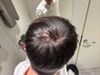
A user shared their progress after 8 months of using oral dutasteride, minoxidil, and ketoconazole shampoo for hair loss. They are very pleased with the results.
A user shared progress pictures after one month of using finasteride and daily vitamins for hair loss, asking if they are responding well. Responses generally indicate positive feedback on the progress.
A 40-year-old shared progress pictures showing results after 3.5 months of using dutasteride for hair loss. The conversation likely discusses this specific treatment and its effects on hair regrowth.
The conversation discusses a user's 1.5-year experience with oral minoxidil and dutasteride for hair loss, mentioning side effects like itchy nipples and ball ache. Specific treatments used are 5mg of minoxidil and 0.5mg of dutasteride daily.
The user has trouble applying minoxidil foam to their long, curly hair and experiences product buildup, leading to frequent hair washing. They are considering switching to liquid minoxidil but are concerned about scalp sensitivity and do not want to use oral treatments. Another user suggests that topical minoxidil doesn't need to be applied to the entire scalp to be effective.
A 26-year-old male shared progress pictures after 4 months of treating hair loss with finasteride (1.25 mg on Mondays, Wednesdays, and Fridays), topical minoxidil twice daily, ketoconazole shampoo twice weekly, and weekly microneedling at 1.5 mm. He is seeing hair growth improvement, especially in the front, and is considering hair grafts for the crown area if necessary for more density.
The conclusion of the conversation is that the user, Lead_Tasso, is expressing gratitude for the community's help in restoring their confidence in treating hair loss. They have been using finasteride (fin) and minoxidil (min) and have also been taking hair and nail vitamins.
The conversation discusses a hair loss regimen using natural oils like pumpkin seed, rosemary, peppermint, evening primrose, and sea buckthorn, along with microneedling, niacin, vitamin B complex, and astaxanthin. Some users criticize the effectiveness of this approach compared to treatments like finasteride and minoxidil, while others suggest adding saw palmetto and other supplements.
The user has been using topical finasteride and minoxidil since February, along with microneedling, and recently noticed increased hair shedding. They are curious if others experienced worsening hair appearance after shedding or if it remained unchanged.
The user reported significant hair regrowth and thickening after 5 months using finasteride, minoxidil 5%, biotin, and derma stamping. They experienced some fatigue but no sexual side effects and plan to continue the treatment.
The user experienced reduced hair shedding after using Equate brand minoxidil, along with a regimen including collagen shampoo, fish oil, biotin, gym workouts, and sauna sessions. They reported seeing positive results after 40 days.
Castor oil's effectiveness for male pattern baldness, receding hairline, and thinning crown is questioned, including its application method and potential side effects. The user also mentions experiencing hair shedding with coconut oil.
A 20-year-old male is experiencing hair thinning and has not seen results from using oral minoxidil, dutasteride, ketoconazole shampoo, and GHK-Cu. He is seeking alternative treatments before considering a hair transplant or hair fibers.
The user is treating male pattern baldness with oral minoxidil, ketoconazole, derma rolling, rosemary oil, and topical minoxidil, and is considering adding finasteride. They are debating between three finasteride dosing strategies: 1mg daily, 1.25mg every other day, or 1.25mg five days a week, focusing on efficacy, safety, and cost.
The conversation discusses various treatments for hair loss, including high doses of dutasteride, oral minoxidil, RU58841, microneedling, ketoconazole shampoo, and other supplements like pumpkin seed oil and multivitamins. It also touches on more extreme measures like estrogen therapy and castration, with some users emphasizing the importance of overall health and nutrition.
The conversation is about a person experiencing treatment-resistant androgenic alopecia despite using high doses of dutasteride and minoxidil, along with other treatments like microneedling and purilutamide. Suggestions include considering a hair transplant, checking medication authenticity, and exploring other treatments like RU58841 or topical estradiol.
The user has been using Morr-F Aqua 5% (minoxidil) once daily for over three months to address male pattern baldness and is seeking feedback on their progress. They are unsure if the current dosage is sufficient and whether the aqueous base is effective compared to other versions.
People discuss different methods for applying minoxidil foam to the scalp, with some using their hands, caps, or brushes for better coverage. Concerns about finasteride causing hair shedding are addressed, clarifying that healthy hair should not fall out.
A 25-year-old is experiencing chronic telogen effluvium (TE) and androgenetic alopecia (AGA) after surgery, using finasteride, red light therapy, and supplements, and considering oral minoxidil despite heart concerns. They are unsure whether to start minoxidil before or after an upcoming surgery, which may trigger another hair shed.
Concerns about the authenticity of a Nizoral shampoo labeled "made in Canada" but shipped from China. Users suggest sticking to red ketoconazole from a pharmacy.
A 40+ year-old male used finasteride and minoxidil sprays daily, later adding a PEMF hat to his routine, resulting in noticeable hair regrowth in the crown area after 6 months. He plans to continue the treatment and update at 12 months.
The conversation is about a user who experienced hair growth after three months of using Minoxidil and plans to start Finasteride soon. The user is considering a hair transplant next year and is curious about the potential for further growth.
A 30-year-old man is frustrated with hair loss despite using finasteride, topical minoxidil, ketoconazole shampoo, and PRP. Suggestions include trying oral minoxidil, dutasteride, RU58841, or considering a hair transplant.
Baldness is difficult to cure because current treatments like finasteride, dutasteride, and minoxidil only prevent hair shedding, and new developments are mostly ineffective. Botox shows potential in aiding skin regeneration and hair growth, but maintenance therapy with treatments like dutasteride and minoxidil may still be necessary.
Scalp Botox may help hair loss by relaxing muscles and increasing blood flow, potentially benefiting conditions other than androgenetic alopecia. DHT affects hair follicles differently, causing tension and hair loss in some areas but not others.
A user shared an extensive hair loss treatment regimen including dutasteride, minoxidil, tadalafil, RU58841, microneedling, and various topical and oral supplements. Responses varied, with some suggesting the regimen is excessive and others offering additional advice or expressing skepticism about its practicality and effectiveness.
The conversation discusses the use of microneedling as a complementary treatment for hair loss alongside oral minoxidil and dutasteride. Opinions vary on its effectiveness, with some users supporting its benefits for hair growth and others questioning its efficacy without topical minoxidil.
A 27-year-old is experiencing rapid hair thinning and is considering starting minoxidil or finasteride but is concerned about their effects and side effects. They seek advice on which treatment to start and appropriate dosages.