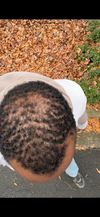
Take 1mg finasteride daily as the standard approach; adjust only if side effects occur. Many users experiment unnecessarily with doses and methods, complicating treatment.
A user is considering switching from regular 5% minoxidil foam to a compounded 5% minoxidil spray with added caffeine, melatonin, and tretinoin for easier application and potentially better results. Another user mentions that tretinoin can enhance minoxidil's effectiveness by converting it to its active form.
The conversation is about various hair loss treatments, including finasteride, minoxidil, RU58841, and natural supplements like saw palmetto and pumpkin seed oil. It also covers methods to improve blood circulation, nourish hair follicles, and address underlying health issues like vitamin D deficiency and high cortisol levels.
The conversation discusses a hair loss prevention regimen using a custom topical treatment with Dutasteride, Minoxidil, Latanoprost, Cetirizine, Tretinoin, Vitamin D3, and caffeine, along with supplements like iron, selenium, vitamin D, and vitamin B. The user advises against expensive treatments like LLLT caps and unnecessary natural supplements.
Dr. Couto recommends taking finasteride in the morning to align with peak testosterone and DHT production for better effectiveness. Oral minoxidil is acknowledged as better than topical, but the focus is on stabilizing hair loss with finasteride first.
The user is using oral and topical minoxidil, finasteride, dutasteride, and considering adding rosemary and pumpkin saw palmetto to their regimen. They report significant hair growth, especially with dutasteride, and are considering increasing their dose and adding RU58841.
Minoxidil with alcohol and propylene glycol was more effective than non-alcohol versions, and RU58841 worked best in a non-water-based solution. Oral finasteride showed better results than topical, despite side effects; microneedling and tretinoin worsened hair loss, and PRP was only helpful when younger.
An 18-year-old male stopped using finasteride due to side effects and plans to start topical dutasteride, considering it a potential solution with fewer side effects. He continues using minoxidil despite no noticeable results and is exploring other treatments like RU58841.
The conversation discusses being overwhelmed by the variety of hair loss treatments, including finasteride, minoxidil, ketoconazole shampoo, caffeine shampoo, and other supplements like biotin and saw palmetto. The user expresses uncertainty about which treatments to use.
The post discusses using finasteride, minoxidil, ketoconazole, and a dermaroller for hair loss, along with spearmint capsules, pueraria mirifica, saw palmetto, biotin, and vitamins. The user is also considering microdosing finasteride with trans treatment and mentions the potential of herbal enemas and hair systems.
People discuss different methods for applying minoxidil foam to the scalp, with some using their hands, caps, or brushes for better coverage. Concerns about finasteride causing hair shedding are addressed, clarifying that healthy hair should not fall out.
Minoxidil and finasteride aid hair regrowth, but a healthy lifestyle, including proper nutrition and maintaining a healthy weight, enhances their effectiveness. Being underweight can impede hair regrowth, while a balanced diet and addressing deficiencies can improve outcomes.
The conversation discusses a natural approach to hair loss treatment using rosemary, peppermint oil, derma roller, pumpkin seed oil, and saw palmetto. Commenters note a slight or minor difference in hair growth.
HMI-115 is a new drug developed by Bioinvent and licensed by Bayer, with mixed opinions on its potential effectiveness. Some users are skeptical and prefer proven treatments like Minoxidil, finasteride, and RU58841.
The user is using minoxidil, finasteride, and recently added tretinoin to address hair loss, specifically around a receding hairline. They are seeking advice on application methods and mention experiencing mild skin rashes potentially from tretinoin.
The conversation discusses whether individuals using hair loss treatments like Dutasteride (Dut) or Finasteride (Fin) should regularly check their hormone levels through bloodwork. Some argue it's important to monitor the effects of these medications on hormone levels, while others believe it's unnecessary if there are no side effects, citing cost and practicality concerns.
A 23-year-old experiencing diffuse hair thinning has chosen a treatment stack including topical finasteride, a blend of rosemary, peppermint, and pumpkin seed oils, procyanidine B2 spray, ketoconazole shampoo, and scalp massages. They avoid minoxidil due to family history of side effects and oral finasteride due to high estrogen levels.
Finasteride is effective for treating male pattern baldness (MPB) with minimal side effects, and topical finasteride is similarly effective. Dutasteride is also effective but less understood, and Minoxidil is less effective than Finasteride.
A user is considering adding PRP and mesotherapy to their hair loss treatment and is deciding between two options: Promoitalia, which contains Phosphatidic acid, Riboflavin, and Superoxide dismutase, and the more expensive Melsmon, a human placenta derivative. They seek advice on which option to choose based on effectiveness and scientific backing.
Essential oils like rosemary, thyme, lavender, and cedar wood in a carrier oil may effectively treat alopecia areata and potentially male pattern baldness by stimulating the scalp similarly to minoxidil. The user plans to try this routine and share results.
The conversation discusses hair loss treatments, including the use of minoxidil, finasteride, dutasteride, RU58841, and Nizoral. Participants emphasize the importance of finasteride and minoxidil, while also considering factors like diet, stress, and scalp health.
The user is considering starting minoxidil and finasteride for hair loss at Norwood 2 or 2.5. Another user suggests consulting a dermatologist and possibly using finasteride to prevent progression and minoxidil for regrowth, with dutasteride as an alternative.
Genetics mainly cause hair loss, but diet, stress, smoking, and alcohol can worsen it. Treatments include finasteride, minoxidil, and lifestyle changes like a healthy diet and avoiding caffeine.
The user has been using topical minoxidil for 4 months and switched to oral minoxidil, considering adding finasteride for better results. They are advised to aggressively treat hair loss with minoxidil for regrowth and finasteride for prevention, while monitoring for side effects.
A user plans to create a DIY topical treatment for hair loss using Rapamycin, possibly combined with alpha-ketoglutaric acid (a-KG). They discuss the concentration and formulation process for Rapamycin, considering safety and skin penetration, and intend to apply it every other day to the scalp.
A user is considering switching to a topical treatment containing finasteride, minoxidil, and tretinoin, instead of their current regimen of oral finasteride and oral minoxidil. They are unsure whether to try the new topical or continue with their current treatment.
A 29-year-old male is seeking advice on starting hair loss treatment and is considering using Minoxidil, Finasteride, or Dutasteride. He has not yet begun any treatment and is asking for tips based on his photos.
Finasteride and minoxidil, often with ketoconazole, are key for long-term hair stabilization and regrowth. Oral minoxidil and dutasteride offer significant regrowth but have more side effects, while microneedling, ketoconazole shampoo, and RU58841 are used to enhance results.
Hair loss treatments, including Dutasteride 0.5mg daily, finasteride 1mg daily, minoxidil 5% 2x daily, dermarolling, low-level light therapy (LLLT), ketokonazole shampoo, and diet optimization; discussing their effectiveness and side effects.
The conversation is about someone considering a hair transplant due to ineffective hair loss treatments, with suggestions ranging from trying a hairpiece to continuing with medications like finasteride and minoxidil, and waiting for new treatments. Some advise against a transplant due to the extent of hair loss and the cost, while others share different views on the effectiveness of transplants and non-surgical options.