The conversation discusses hair loss treatments, specifically Minoxidil, finasteride, and RU58841. The user is contemplating whether to continue or stop using these treatments.
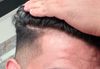
A 17-year-old male experiencing significant hair loss is using a prescribed topical treatment containing Minoxidil, Tretinoin, Dutasteride, and Latanoprost. He expresses concerns about the potential side effects of Dutasteride and oral Finasteride, and seeks advice on whether to continue with the treatment or consider alternatives.
The user shared a 3-year hair restoration update using 0.5mg dutasteride daily, 5% minoxidil foam twice daily, a 1.5mm derma roller twice a month, and Nizoral shampoo. They reported significant improvement and maintenance of hair, with minimal side effects, and are satisfied with the results at age 40.
The user has been using oral finasteride for 15 years and is considering switching to a finasteride/minoxidil spray due to concerns about potential side effects like depression. They are seeking advice on whether to continue with both treatments or switch exclusively to the spray.
The user has been using 1mg finasteride daily, 2.5mg minoxidil daily, topical tretinoin three times a week, and topical minoxidil daily from June 2023 to June 2025 without noticeable improvement in hair loss. Suggestions include switching to dutasteride and increasing oral minoxidil to 5mg daily, but concerns about long-term health effects are raised.
The user has been using 1mg Finasteride and 5% topical Minoxidil for 9 months with little improvement and is now switching to 5mg oral Minoxidil, continuing microneedling, and adding Anagenil Complex. They are seeking advice on whether to stop topical Minoxidil and the effectiveness of Anagenil Complex.
A 31-year-old male shared his 4.5-month progress using finasteride, topical minoxidil, and dutasteride mesotherapy for hair loss, showing significant improvement in crown density and overall hair texture. He reported no side effects and plans to continue the treatment to assess further results.
A 34-year-old male has been using a topical minoxidil and finasteride solution for hair loss and was prescribed oral finasteride by a dermatologist. He questions the necessity of monthly consultations since the prescription remains unchanged.
The user is considering starting a topical treatment for hair loss, using a spray containing 0.3% finasteride, 5% minoxidil, and 0.01% tretinoin. They are questioning the dosage and considering reducing the application to achieve 0.15% finasteride and 5% minoxidil.
Minoxidil and finasteride are the primary treatments for hair regrowth, but they must be used continuously to maintain results. Alternatives like dermarolling and lifestyle changes are suggested, but their effectiveness varies.
The conversation discusses alternatives to finasteride for hair loss, including topical treatments like minoxidil, RU58841, CB-03-01, and dutasteride. Users also mention other options like alfatradiol, topical caffeine, and mesotherapy, while expressing concerns about side effects and the effectiveness of these treatments.
The user is considering simplifying their post-hair transplant regimen, which currently includes oral finasteride, topical minoxidil, and has topical finasteride and dutasteride available but unused. They seek advice on whether to maintain or adjust their treatment plan to achieve the minimum effective treatment.
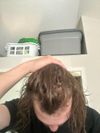
The user is experiencing significant hair thinning and receding and is seeking advice. Suggestions include starting treatments like finasteride or minoxidil and considering a short haircut to manage the appearance of thinning hair.
A 27-year-old male has been using minoxidil for five months with no improvement and is considering adding finasteride to address potential DHT interference. He is seeking advice on whether finasteride might enhance minoxidil's effectiveness or if he should consider other options like a hair transplant.
OP used oral minoxidil (2.5 mg) and dutasteride (0.5 mg) for 12 months with successful hair regrowth. Consistency in treatment is emphasized, and switching from finasteride to dutasteride is suggested for better results.
A user is considering using minoxidil for hair loss and asks for advice on application and long-term effectiveness. Responses suggest minoxidil can be effective but may lose efficiency over time, and combining it with other treatments like finasteride might be more beneficial.
Managing blood pressure can help with hair loss, as seen with the use of medications like Cialis and oral minoxidil, which improved hairline and blood pressure. Lifestyle changes, such as reducing stimulant use and adjusting testosterone replacement therapy (TRT) doses, also play a role in addressing hair loss and overall health.
.
This conversation is about a user's progress while using minoxidil and finasteride to treat hair loss, with emphasis on taking oral finasteride at night before bed for optimal results. They also discuss the brand of medication being used (Morr F 5%) and the importance of taking a generic version of the same drug.
A user has been using finasteride and minoxidil for hair loss without success and is considering switching to dutasteride. They are concerned about low DHT levels and are seeking advice on how to implement dutasteride effectively.
The user experienced hairline recession despite using topical finasteride/minoxidil and is considering whether misapplication was the cause. They are exploring options after experiencing side effects from oral finasteride, including possibly returning to the topical formulation with adjusted application methods.
A 28-year-old male reported significant hair regrowth using 5mg minoxidil and 0.5mg dutasteride over five months, with occasional ketoconazole use. Users discussed side effects like stuffy nose and low libido, and shared experiences with different hair loss treatments.
The user is experiencing hair loss and is considering increasing their dutasteride dosage or trying RU58841, but is concerned about the effectiveness and side effects. Other users suggest sticking with dutasteride 0.5 mg daily and adding oral minoxidil for better results.
A 35-year-old man shares his one-year progress using 1.25 mg oral finasteride and 5% topical minoxidil for hair loss, with no side effects and slight improvement in his front hairline. He also uses keto shampoo twice a week and a 0.5mm roller weekly.
The user switched from finasteride to dutasteride due to continued hair thinning and is seeking advice on whether to continue with dutasteride, while also using minoxidil, topical finasteride, retinoic acid, and ketoconazole shampoo. Responses suggest sticking with dutasteride as it is considered a potent treatment, though experiences vary.
The user is dealing with early hair loss and is using a serum with Redensyl, multivitamins, and plans to add minoxidil. They seek advice on maintaining a positive mindset and improving hair health through lifestyle changes.
The user followed a hair loss treatment routine using liquid minoxidil, oral minoxidil, and oral finasteride, with plans to stop topical minoxidil by mid-2026. They experienced significant improvement, especially in the crown area, after starting oral minoxidil.
A 28-year-old is considering using topical 0.3% finasteride and 6% minoxidil spray to prevent further hairline recession. They are unsure if this treatment is too drastic for their current level of hair loss and seek advice on application methods.
Minoxidil 0.5% MMP® showed better results in parietal-vertex regions for less advanced female pattern hair loss compared to Minoxidil 5%. MMP® with Minoxidil can improve the quality of life for these patients.
A 37-year-old man experienced significant hair regrowth over nine months using a topical solution of 5% Minoxidil and 0.3% Finasteride. He reported no side effects and noted the treatment's effectiveness despite initial dosage confusion.