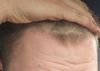
A user shared their 4-month progress using a topical solution with 5% minoxidil and 0.1% finasteride, applied twice daily. They reported good results despite occasional missed applications.
The daily regimen includes oral finasteride, topical minoxidil, and witch hazel toner to reduce itchiness. Witch hazel is noted for its hydrating properties and affordability.
The conversation is about a hair regrowth regimen that includes using minoxidil, peppermint oil, a red light hat, and microneedling. The user is seeking advice on the effectiveness and frequency of these treatments.
Dermatologists use treatments like oral minoxidil, finasteride, and RU58841 for male-pattern baldness, considering side effects and patient preferences. Photobiomodulation is noted as mildly effective but costly, while PRP is debated for its effectiveness compared to microneedling.
The conversation discusses the potential effectiveness and risks of using topical finasteride for hair loss, with considerations about using DMSO as a vehicle for application. Concerns are raised about DMSO's safety, absorption issues, and the systemic effects of topical finasteride.
The conversation is about a person using dutasteride and minoxidil for hair loss, considering adding RU58841 and PP405 for more density. They are seeking advice on using these treatments and exploring other options like GT20029.
The user is trying a new hair loss regimen including Spirolactone, Finasteride, oral Minoxidil, microneedling, and various supplements. They are experiencing increased shedding and seeking advice on microneedling and treatment effectiveness.
Increasing the sult1a1 enzyme on the scalp may improve response to topical minoxidil. The user suggests using a baking soda solution, DMSO, and tretinoin to enhance enzyme activity and minoxidil effectiveness.
A user is seeking advice on using a spray containing 0.3% finasteride and 6% minoxidil for hair loss. Another user suggests applying it in the morning to avoid transferring it to pillows and recommends reading a guide for microneedling advice.
The user is experimenting with a mix of topical treatments, including finasteride and minoxidil, to improve hair growth, particularly at the temples and core. They are also trying various oils, despite skepticism about their effectiveness, to see if they can enhance results without causing harm.
A 30-year-old male with androgenic alopecia shows progress after using dutasteride (0.5 mg daily) and topical minoxidil (5% twice daily) for 3.5 months. Users suggest adding dermastamping for better results.
The user is considering whether to continue their current hair loss treatment, which includes Minoxidil and possibly Finasteride, or switch to Dutasteride or increase Minoxidil. They have seen slight improvement on the left side but not on the right.
The user reports progress in hair regrowth using topical finasteride/minoxidil, microneedling, topical dutasteride, latanoprost, and MSM supplements. They express frustration over the lack of interaction on progress posts compared to trivial topics.
The conversation discusses hair loss treatments, including minoxidil, finasteride, biotin, folic acid, zinc, micro-needling, niacin, and cipaxil, with the user preparing for a hair transplant. The user experiences side effects with topical finasteride and is hesitant to try oral dutasteride.
The user has been inconsistently using a 0.1% finasteride and 5% minoxidil topical treatment for hair loss over the past nine months, along with 1% Nizoral once a week. They aim to improve consistency in their treatment this year and report no side effects.
Hair loss treatments discussed include Minoxidil, Finasteride, and RU58841. HMI-115 release timeline is uncertain, with possible grey market availability in 2024-2025.
A 27-year-old male is using minoxidil 5% nightly and alternating between three hair serums during the day, seeking advice on whether this routine is beneficial or overly complicated. Responses suggest simplifying the routine by focusing on minoxidil, possibly increasing its concentration, and considering finasteride or dutasteride instead of multiple serums.
The user shared a 6-month progress update on hair loss treatment using Dutasteride (0.5mg), Minoxidil (5%), and Dermanator 2. They reported improved hair density and coverage, especially in the crown/mid-scalp, and are focusing on enhancing the hairline.
A 44-year-old man has been using finasteride 1mg daily and minoxidil 5% foam for 19 months to address hair loss, with mixed results and continued shedding. Suggestions include trying oral minoxidil, microneedling, and possibly a hair transplant for better cosmetic density.
Significant hair improvement was achieved using 3mg Minoxidil and 1.2mg Finasteride over six months, with no side effects, leading to reconsideration of a hair transplant. A detailed skincare routine, including tretinoin and SPF, also improved skin appearance.
The user has been taking dutasteride 0.5mg and minoxidil 5mg orally for 3 years to treat hair loss, which has stabilized their condition. They are considering adding topical RU58841 to their regimen but are uncertain of its effectiveness and contemplating a hair transplant instead.
User tried oral and topical finasteride for hair loss but experienced headaches and concentration issues. They ask for advice on whether to continue or try other treatments like alfatradiol, fluridil, or pyrilutamide.
A user started taking oral minoxidil using Rogaine, despite concerns from others about its safety and proper use. They plan to update on their progress.
The conversation discusses hair loss treatments for a woman experiencing androgenetic alopecia and seborrheic dermatitis, with suggestions including low-dose oral minoxidil, dutasteride, and hormone replacement therapy. The user is seeking advice due to intolerance to spironolactone and topical minoxidil, and concerns about low testosterone and DHT levels.
The user is seeing progress in hair regrowth using a combination of 8% minoxidil, 0.25% dutasteride, and 0.01% tretinoin. The conversation includes comments on the effectiveness and application of these treatments.
The user is using Avodart Dutasteride 0.5mg and Roma Minoxidil 2.5mg to combat hair loss, with advice suggesting this combination is effective but may take 3-6 months to show results. The user is considering whether to continue the treatment or buzz their hair, seeking reassurance and advice from others.
Missing one day of finasteride is humorously discussed, with suggestions to use additional treatments like dutasteride, RU58841, minoxidil, and microneedling. Some users jokingly suggest shaving the head or traveling for hair restoration.
The user is mixing various topical solutions for hair loss, including Dutasteride, Minoxidil, Finasteride, tretinoin, RU58841, Stemoxydine, and Reviv AHK-Cu, and is questioning if this practice is effective or wasteful. They are concerned about potential interactions, especially with the new treatment KX-826, which should not be mixed with Minoxidil.
A 31-year-old man has been using Dutasteride since 2022, alongside topical Minoxidil, with positive results and no issues. His new healthcare provider expressed concerns about long-term Dutasteride use and suggested alternatives like oral Minoxidil and Spironolactone, but the patient is hesitant to change a successful routine.