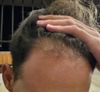
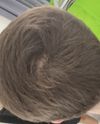
A 23-year-old male with Norwood 2.5-3 hair loss is considering using a lotion containing 0.3% finasteride and 6% minoxidil spray, as recommended by a dermatologist. He is hesitant about using oral finasteride due to potential long-term side effects.
The conversation discusses managing hair loss and scalp issues, with users sharing experiences using treatments like dutasteride, finasteride, ketoconazole, sulfur soap, and topical anti-androgens. Suggestions include trying sulfur soap, scalp massages, spironolactone, and dietary changes to reduce sebum production and dandruff.
The user is seeking advice on improving their hairline, currently using dutasteride 0.5mg/day and oral minoxidil 5mg/day for 14 months. They want to avoid a hair transplant and are concerned about thin hair and receding temples.
The user has been using 0.5mg Dutasteride and minoxidil foam for 4-5 years but recently noticed increased hair loss. They have increased Dutasteride to 1mg, started using a dermaroller and Nizoral shampoo, and are seeking advice on further steps.
The user is happy with their 3-month hair loss treatment progress using 1mg finasteride daily, 5% minoxidil twice daily, derma stamping 1-2 times a week, and WaterMans shampoo. They noticed improvements despite initial shedding and stopped taking creatine, which they suspect might have affected hair loss.
Current hair loss treatments include finasteride, dutasteride, minoxidil, and derma rolling. New treatments like TDM-105795, GT20029, and others show promise but require more testing and time before approval.
An 18-year-old noticed significant hairline recession and is concerned about further hair loss. They plan to improve their lifestyle and are advised to use finasteride and minoxidil and consult a dermatologist.
The user has been using 1mg finasteride and 2.5mg minoxidil for hair loss but hasn't seen much change and is considering increasing minoxidil to 5mg. They plan to consult a dermatologist for further advice.
A 28-year-old man saw hair regrowth after 1.5 years using a topical treatment combining 0.3% finasteride and 6% minoxidil. He initially experienced anxiety with oral finasteride but had no side effects with the topical version.
A 31-year-old male switched from topical to oral Minoxidil (2.5 mg) and Finasteride (0.6 mg) but feels it's less effective, noticing less hair density and thickness. He is concerned about the effectiveness of the oral treatment compared to the previous combination with topical Minoxidil.
A 32-year-old male has been dealing with hair loss since 2010 and started treatment 11 months ago. He used dutasteride, finasteride, minoxidil, multivitamins, vitamin D3, PRP, and a laser cap, resulting in improved hair density despite ongoing shedding.
A user shared their 3-year progress using finasteride and minoxidil for hair loss, noting significant improvement after adding minoxidil to their routine. They also use a derma roller weekly and apply minoxidil topically to the entire hairline.
The user has been using a combination spray with 0.1% finasteride, 5% minoxidil, and tretinoin for over a year but feels their hairline has worsened. They are considering increasing the concentration of finasteride and adding 5% minoxidil once a day.
The user is experiencing side effects from Dutasteride 0.5 mg and is considering reducing its frequency or switching back to Finasteride, while continuing with Minoxidil 2.5 mg to preserve their hairline. They are unsure if the increased Minoxidil dose is sufficient for regrowth.
The conclusion of the conversation is that some users have seen positive results with the use of finasteride and minoxidil for hair loss, while others have not. It is mentioned that consistent use of these treatments is necessary to maintain results.
The user reported significant hair regrowth using a topical treatment of 0.3% finasteride and 6% minoxidil, with noticeable progress in five months. The treatment is applied once daily, and the user experienced some initial shedding but no side effects.
A 23-year-old is using oral dutasteride, topical minoxidil with finasteride, PRP, and microneedling for hair loss treatment over three months, showing noticeable progress. Some users suggest caution with hormonal treatments and discuss the cost-effectiveness of PRP.
User seeks treatment to increase minoxidil efficacy. Suggestions include microneedling, oral minoxidil, and Tretinoin, with mixed experiences and side effects.
The user experienced significant hair regrowth using 1.25mg finasteride daily and 5% topical minoxidil nightly, with no major side effects or shedding. The progress is evident, especially around the temple area, and the user is hopeful for continued growth.
The conversation is about a person's hair improvement after 14.5 months using RU58841 and Minoxidil topically at 50 mg each day, with noticeable hairline improvement but incomplete crown area recovery. The person struggles to take good pictures of their crown area.
The conversation discusses hair loss treatment progress over five years using 0.5mg dutasteride daily and 5mg oral minoxidil daily. Users comment on the difficulty of assessing progress due to lighting and hair length differences, but note the hair looks good in both photos.
The user experienced significant hair regrowth using topical finasteride/minoxidil and oral minoxidil/dutasteride, with some mild side effects that diminished over time. They plan to add microneedling to their regimen and have seen hair shedding cycles every six months, followed by thicker regrowth.
A 30-year-old man is considering quitting Finasteride due to sexual side effects, including reduced libido and difficulty reaching orgasm, despite its effectiveness in treating hair loss. He is exploring other factors like relationship issues and potential low testosterone, and is considering getting blood work done.
A trans man experiencing hair loss after starting testosterone treatment has seen positive results using topical minoxidil and finasteride, though his hair remains thin. He is considering continuing his current treatment and exploring additional options like microneedling and Breezula, while acknowledging the impact of testosterone on hair loss.
The conversation discusses hair loss treatment progress using dutasteride 0.5 mg and oral minoxidil 5 mg. Users comment on the progress and inquire about side effects and additional photos.
The user experienced significant hair maintenance using 0.25mg daily finasteride and minoxidil foam, with minimal side effects. They recommend oral finasteride for better results, especially for the crown area.
A user received a prescription for a topical solution with Minoxidil 7%, Finasteride 2%, and Tretinoin 0.01%, to be used twice daily for three months. They are concerned about the safety of these dosages compared to commonly recommended lower dosages.
The conversation discusses a 13-month hair loss treatment update using dutasteride, minoxidil, nizoral, and a 1.5mm derma roller, with the original poster reporting no side effects and some improvement in hair thickness. Participants request before-and-after pictures with consistent hairstyles to better assess the treatment's effectiveness.
The user followed a hair loss treatment using 2.5mg oral Minoxidil and 0.5mg oral Dutasteride daily. They initially tried a homemade topical Dutasteride but switched to capsules, achieving impressive results.