PP405 is criticized for overhyped claims and cherry-picked data, with doubts about its effectiveness compared to minoxidil and finasteride. Many users express skepticism, emphasizing the need for more comprehensive trial results.
The conversation discusses using a mixture of 4% peppermint oil in jojoba oil to reduce flaking and dandruff caused by 5% Minoxidil lotion. The user reports significant improvement after one application of the oil mixture.
RU58841 is preferred over finasteride for blocking DHT on the scalp, especially for those with aggressive MPB. Creatine is associated with increased hair shedding, even when using RU58841.
Hair loss discussion includes treatments like Minoxidil, finasteride, and RU58841. Conversation focuses on foods with sufficient procyanidin b2, such as dark chocolate and apples, and the required dosage.
Clascoterone 5% solution showed a 539% improvement in hair count compared to placebo, but the actual increase in hair growth is minimal. Users express skepticism about the effectiveness of hair loss treatments.
A 26-year-old with extreme male pattern baldness saw hair regrowth after 6 months using Minoxidil, Finasteride, microneedling, Nizoral, a vitamin complex, biotin, and a shampoo with baicapil. Continuation of treatment is necessary to maintain results; stopping may lead to hair loss, making a hair transplant a potential future option.
The potential of lowering prolactin levels to regrow hair, with a reference to Bayer's drug HMI 115 which has been indicated as having this effect. Treatments mentioned include Minoxidil and Finasteride, as well as RU58841.
The user added P5P (vitamin B6) to their shampoo to reduce scalp itch, which improved significantly. They have been using finasteride for hair loss but are exploring additional treatments like topical antiandrogens and prolactin inhibitors.
A user is trying 2-deoxy-D-ribose with distilled water for hair growth, observing new hair and skin pigmentation changes. Others compare it to Minoxidil, expressing interest and caution about its effectiveness and safety.
Saw palmetto, derma pen, rosemary oil, scalp massages, pumpkin seed oil, green tea extract, and B complex are discussed as natural treatments for hair loss, with mixed results reported. Some users consider adding finasteride for more effective results.
A 26-year-old male experienced hair regrowth and increased density after 6 months using oral finasteride and minoxidil tablets, along with a derma pen, multivitamins, omega-3, creatine, and L-citrulline. He plans to add RU58841 soon and is hopeful for further improvement.
Two Chinese suppliers provided legitimate RU58841, confirmed through a free drug testing service. The vendors were Shaanxi Greenyo Biotech and Lyphar, found on Made-in-China.
PP405 and GT20029 are new hair loss treatments with different mechanisms from traditional options like Minoxidil and Finasteride. PP405 targets hair follicle stem cells to reactivate growth, while GT20029 works as an androgen receptor deleter, both requiring ongoing use for effectiveness.
Poor diet and lifestyle contribute to male pattern baldness. Treatments like Minoxidil, dietary changes, and lifestyle adjustments may help slow hair loss.
RU58841 was the only treatment that slowed hair loss and reduced irritation for a DUPA sufferer after trying finasteride, minoxidil, and dutasteride with no success. The user continues using 6mg oral minoxidil, 0.5mg dutasteride, and an 8% RU58841 solution.
Bimatoprost, latanoprost, and travoprost can aid hair regrowth but are costly and less effective than minoxidil. They work best when combined with minoxidil and finasteride.
The conversation is about trying DS Labs SOD supplements for hair loss, which contain ingredients like Genistein, B-sitosterol, and Biotin. The user is considering adding these supplements to their existing hair care routine.
The post and conversation are about hair loss treatments that have been found to be effective in studies. There are 19 different treatments mentioned, including oral minoxidil, oral dutasteride, topical finasteride, RU58841, and more. The best treatment for an individual depends on factors like availability, cost, side effects, and personal preferences.
Magnesium L-Threonate may help treat balding by reducing DKK-1 expression without affecting DHT. Users discuss its potential effectiveness and application methods, with some considering trying it topically.
A 25-year-old user shared their positive experience with hair regrowth after 3 months on 1.2mg finasteride, 3mg minoxidil, and 2.5mg biotin, with no side effects. Other users discussed their experiences with similar treatments, including Hims chewables, and shared optimism about the results.
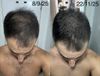
A user shared progress pictures showing improved hair fullness after 75 days using 2.5mg oral minoxidil daily, 1mg oral finasteride every other day, a 1.5mm dermastamp weekly, and daily scalp massages. They report seeing early positive results.
TGF-B affects hair growth, both causing stem cell division and death depending on amounts. Amplifica's treatment injects Scube3 to increase TGF-B for hair growth.
TDM-105795 showed better efficacy and safety in trials for hair loss, with a higher hair count improvement compared to GT20029 and HMI 115, but it's not as widely discussed. The user is questioning why this is the case.
Hope Medicine's announcement of the HMI-115 Phase II clinical trial for androgenetic alopecia in China; other related trials have been conducted or are ongoing in different countries, including Australia, US, and Europe. There is speculation that the product may be accepted across borders without additional testing.
A user shared their 9-month progress using RU58841 at 2% daily for hair regrowth, initially starting at 5% but reducing the dose due to early signs of gynecomastia, which has since mostly resolved. They achieved their goal of regrowing hair at the temples and hairline.
KX-826 is undergoing trials for hair loss treatment, showing similar effectiveness between 0.5% and 1.0% dosages, with mild side effects compared to finasteride. Users discuss combining KX-826 with other treatments like minoxidil and clascoterone for better results.
Significant hair regrowth was achieved using EssenGen 6-Plus with 6% minoxidil and 0.05% finasteride, along with Nizoral shampoo, over 12 weeks. No side effects were experienced, highlighting the benefits of a low dose.
A user reports significantly reduced hair shedding by using a topical mixture containing 10% Minoxidil, 0.1% Melatonin, 5% Azelaic Acid, 5% Rosemary Oil, and 5% Peppermint Oil, and attributes the success mainly to Melatonin. They also use a copper peptide serum (AHK-Cu) for hair growth and Ketoconazole shampoo for scalp cleaning, but have stopped using other treatments like Finasteride and RU58841.