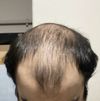
The user applied topical minoxidil and finasteride daily for 3 months and noticed progress in hair growth. Another user recommended collagen for hair growth and other benefits.
The user experienced initial success with topical finasteride 0.025% and melatonin but noticed rapid hair thinning after three months. They are considering switching to a higher dose of topical finasteride or oral finasteride, as advised by others, while being cautious about potential side effects.
A 22-year-old has been using finasteride (1.25mg), topical minoxidil once a day, and dermastamping weekly for three months with no side effects. The user is seeking feedback on hair regrowth progress, but results are inconclusive due to lighting and hair length differences in photos.
Switching to a DIY topical finasteride solution using ethanol, glycerin, and distilled water instead of propylene glycol for a gentler application. Users report positive results with both DIY solutions and a low PG minoxidil and finasteride product from India.
Whether topical caffeine can be as effective for hair growth as minoxidil and finasteride, with various replies discussing the efficacy of these treatments and criticism of Dr. Huberman's research methods.
A user who has been using finasteride and minoxidil for 4-5 months with 5000 IU of vitamin D daily to treat their hair loss, resulting in impressive progress. Other users have given advice about adding Vitamin K2 to the regimen.
A study that outlines the full model for androgenic alopecia (AGA) which links DHT to cellular senescence in dermal papilla cells, and suggests black chokeberry as a source of cyanidin 3-O-arabinoside polyphenol with potential anti-oxidant properties that could reverse this process. The post encourages reaching out to experts in anti-aging and longevity to research treatments involving the polyphenol.
The conversation is about a user's 3-month hair regrowth progress using finasteride, minoxidil, and a 0.5mm dermaroller, with recent addition of caffeine shampoo. Users are responding positively and inquiring about application methods.
Theaflavin, a black tea extract, may inhibit DHT and androgen receptor activity, but its effectiveness for hair loss is debated. Users report no significant improvement with theaflavin, while some find beta sitosterol helpful.
A 36-year-old man with androgenetic alopecia suspects copper and zinc deficiencies may be accelerating hair loss and is supplementing copper to address this. He is also monitoring blood sugar levels due to previous prediabetes concerns and plans to test for insulin resistance.
An 18-year-old is using a high-dose treatment for hair loss, including 2.5 mg dutasteride, topical minoxidil, and injectable GHK-Cu, despite minimal hair loss. Many users suggest reducing the dutasteride dose due to potential side effects and recommend starting with finasteride instead.
The conversation is about hair loss treatment progress using a combination of 0.1% finasteride, 0.025% tretinoin solution, and 2.5mg oral minoxidil. Users express positive reactions and hope for similar results.
Sulforaphane, found in broccoli sprouts, promotes hair growth by degrading DHT. Users discuss its potential benefits and joke about unconventional application methods.
The user experienced significant hair regrowth in three months using a capsule containing minoxidil and finasteride. They reported no major side effects and plan to continue the treatment until their late 20s.
A 43-year-old man shares his slow progress using low-dose topical finasteride and 5% minoxidil for hair growth, along with scalp massages, microneedling, biotin supplements, and pumpkin seed oil. Another user suggests shaving and warns about potential infertility from finasteride, but the original poster remains optimistic, citing others' successful results.
The user shared five months of progress using oral finasteride, topical minoxidil, and supplements like biotin, zinc, omega-3, and collagen. They noted encouraging results, while others suggested trying oral minoxidil or microneedling for potentially better outcomes.
Aminexil/Kopexil may help reduce hair loss by addressing perifollicular fibrosis in androgenetic alopecia, but it lacks the extensive clinical backing of finasteride and minoxidil. Some users find it effective, but availability and cost are issues, especially in the US where it's not FDA-approved.
The post and conversation are about a user's 4-month hair regrowth progress using 3mg minoxidil, 2.5mg biotin, 1.1mg finasteride daily, and occasional dermarolling. The user reports significant improvement without using topical treatments.
An 18-year-old experiencing hair loss and seborrheic dermatitis has tried finasteride, dutasteride, and various shampoos without success. They are considering anti-androgens like RU58841 and KX-826 for oil control and dandruff reduction.
A user shared their progress using 1.1mg oral finasteride and 3mg oral minoxidil since January 2024, noting significant improvement without side effects. They previously had an allergic reaction to topical treatments.
The user is using 5% topical minoxidil, 1mg oral finasteride, biotin, vitamin D, zinc, and microneedling for hair loss. They report no sexual side effects and feel their libido may have increased.
A user reported that Procerin, containing Saw Palmetto and Pumpkin seed oil, provided similar hair thickening results as finasteride but with milder side effects. They experienced reduced libido and watery ejaculations but are adjusting the dose to minimize these effects.
The conversation discusses using 0.1% Alfatradiol compounded by a pharmacy for hair loss treatment. It also mentions Minoxidil, finasteride, and RU58841 as other treatments.
Using a combination of finasteride, minoxidil, dermarolling, and RU58841 to treat hair loss. Participants discussed the time commitment required for treatment and the effectiveness of different dosages.
A user who was part of an ongoing trial for a prolactin blocker and had regrowth, but the progress photos were not shared due to negative reactions from other users. Treatments mentioned include HMI-115, Minoxidil, Finasteride, and RU58841.
The conversation is about a hair loss treatment regimen that includes finasteride, dutasteride, oral minoxidil, Dermapen, quercetin, N-acetyl L-cysteine, biotin, millet seed extract, MSM, OPC, green tea extract, high-dose vitamins B1-B12, boron, and silica. The user is seeking advice on additional treatments.
The user wants to try using 0.025% topical finasteride every day by diluting their 0.1% topical finasteride with alfatradiol, and is asking if it's possible to mix them or if there are other options. They heard that alfatradiol might not be suitable for this purpose.
A user reported impressive hair regrowth after 5 months using finasteride 1mg daily, topical minoxidil 5% twice a day, and microneedling. They initially experienced shedding but now have minimal hair loss and no sexual side effects.