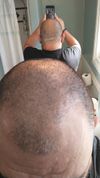
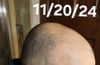
The conversation discusses the use of AlphaInfuse, a micro-infusion system with Panax ginseng and Eclipta prostrata extracts, for hair growth and its comparison to Minoxidil. The original poster seeks personal experiences and evidence of its effectiveness.
The conversation discusses using estradiol and its derivatives for hair loss without causing feminization. Users mention alternatives like alfatradiol, topical 17b-Estradiol, and DIM (Diindolylmethane).
A user shared their successful hair loss treatment using 1.25mg finasteride daily, 2.5mm microneedling every 1-3 weeks, zinc pyrithione shampoo, occasional scalp massages, and 40% glycolic acid on temples. They reported significant progress over 21 months.
The user reported noticeable hair improvement over four months using 1 mg of finasteride and weekly microneedling. Progress photos from October 2024 to January 2025 show positive changes.
A 28-year-old male shared his 2.5-month progress using 1 mg finasteride every other day, minoxidil daily, and occasionally castor oil and dermarolling. He also stopped using hair products daily.
The conversation discusses using GHK-Cu, C60, and saw palmetto oil as treatments for hair loss. Specific treatments mentioned include Minoxidil (Min), Finasteride (Fin), and RU58841 (RU).
.
This conversation is about a user's progress while using minoxidil and finasteride to treat hair loss, with emphasis on taking oral finasteride at night before bed for optimal results. They also discuss the brand of medication being used (Morr F 5%) and the importance of taking a generic version of the same drug.
The user is using 5% minoxidil, 1mg finasteride, and a 1.5mm dermaroller 1-2 times a week for hair growth, noting improved growth speed and density. They avoid applying minoxidil immediately after dermarolling due to skin irritation.
User shared progress pictures showing significant hair regrowth using 1mg finasteride and topical minoxidil daily since January. Other users congratulated and shared their own experiences and advice.
Alfatradiol is considered safe but less effective than finasteride for hair loss. One user reported subtle regrowth using alfatradiol with finasteride and minoxidil, while another found alfatradiol ineffective.
Minoxidil sulfate is considered for those unresponsive to regular minoxidil, with some trying a 10% formulation from Folligenz. Concerns exist about the product's stability and transparency, but some users report positive initial results.
The user is experiencing significant hair shedding despite using 1.25mg oral minoxidil and 1mg finasteride daily for a year. They are advised to monitor health factors like vitamin levels and heart health, and consider increasing ferritin levels for optimal hair growth.
A user named Narnz00 shared their progress pictures for hair loss after using 1mg finasteride, topical minoxidil, and 1mm dermarolling. They mentioned having no side effects and consulting with professionals.
The conversation is about a user's hair regrowth progress using topical Minoxidil 5%, a derma roller, Foligain Trioxidil shampoo, and various supplements like zinc, selenium, magnesium, B6, B7, saw palmetto, and D3 + K2. The user is seeking finasteride but faces prescription challenges in Italy.
Mallia Aesthetics has developed MAL-838, a hormone-free product derived from sCD83, which stimulates hair growth without disrupting the skin microbiome. sCD83 promotes hair growth by activating hair follicles and preventing cell death, offering a localized treatment without systemic side effects.
User considers adding Alfatradiol to their topical finasteride treatment for hair loss. Others discuss Alfatradiol as a weak estrogen and 5α-reductase inhibitor used for pattern hair loss in men and women.
Hair loss treatment with latanoprost, minoxidil, and biotin showed progress. Latanoprost, a glaucoma drug, stimulates anagen phase and increases conversion of vellus hair to terminal hair.
A user's 3-month progress with a combination of finasteride, minoxidil and dermarolling for hair loss; other users shared their experiences and advice.
The conversation discusses using aromatase inhibiting supplements like DIM and Grape Seed extract while on finasteride for hair loss treatment. Users share their experiences and opinions on combining these supplements with finasteride.
Carnosic acid in rosemary extract may enhance skin repair and promote hair follicle regeneration. It could be used alone or with verteporfin for scarless healing after dermal wounding.
Microneedling and tretinoin may enhance minoxidil absorption for hair loss, but evidence on their effectiveness is limited. Iron supplements and broccoli sprouts are suggested for enzyme activation, but their impact on hair is unclear.
Datwagg63 started taking finasteride for hair loss and supplements it with omega 3, vitamins, and a low-carb diet while lifting weights. InternationalBerry suggested adding minoxidil, as it's considered the second most effective treatment after finasteride.
The user has been using 1mg finasteride and biotin-collagen supplements for 5 months, noticing some progress in hair regrowth. They also use various oils and shampoos, plan to start oral minoxidil, and seek advice on improving their hair care routine.
The user is using oral Minoxidil 2.5 mg, oral Finasteride 1 mg, and a 2mm derma roller for hair loss but feels discouraged by the lack of results after a month. They are seeking advice and considering additional methods like antiandrogens, exercise, and dietary changes.
The user reported tiny hair growth in thinning areas and improved thickness after 56 days of using 1 mg oral finasteride, 2.5 mg oral minoxidil, and a serum with Redensyl, Anagain, Capixyl, and Procapil. They also take supplements and maintain a healthy lifestyle with no noticeable side effects.
Rhamnose may promote hair growth and pigmentation, suggesting it as a potential hair loss treatment. The conversation discusses its potential alongside known treatments like Minoxidil, finasteride, and RU58841.
Significant hair improvement was achieved using 3mg Minoxidil and 1.2mg Finasteride over six months, with no side effects, leading to reconsideration of a hair transplant. A detailed skincare routine, including tretinoin and SPF, also improved skin appearance.