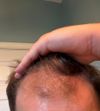
The user reports hair improvement and healthier scalp after 8 months of using finasteride, oral minoxidil, and a topical minoxidil/finasteride spray. Others congratulate the user on noticeable regrowth.
A user's success in hair regrowth after taking oral and topical medications, such as minoxidil and dutasteride, and using microneedling. Other users shared their experiences and advice with treatments used to reverse hair loss.
A user experienced side effects from finasteride and switched to using GHK-Cu for hairline improvement, noticing some positive changes after three months. They used a 2mg daily dose via subcutaneous injections and reported increased hair density and baby hairs, though results were not dramatic.
The user experienced hair regrowth using dutasteride daily, microneedling weekly, and Nizoral shampoo, after stopping minoxidil due to side effects. They also use a mix of pumpkin seed, rosemary, and peppermint oil, and are considering RU58841 for more temple area thickness.
The conversation is about finding affordable topical dutasteride without propylene glycol for hair loss treatment. Suggestions include making a DIY solution using dutasteride powder and minoxidil, with sources like Carolina Chemicals and Minoxidil Max mentioned.
The user shared impressive hair growth results after 100 days using finasteride, minoxidil, biotin, and saw palmetto, and plans to get a hair transplant. The conversation includes suggestions for additional treatments like ketoconazole and derma stamping, and discussions about potential side effects of finasteride.
Hair loss treatments discussed include Minoxidil, Finasteride, and RU58841. User asks if RU58841 powder mixed in stemoxydine needs refrigeration and if it maintains quality at room temperature like pre-mixed solutions.
The user has been taking oral minoxidil and finasteride for 10 months with no hair growth but no further hair loss. They are considering adding rosemary oil and possibly returning to a topical solution.
The user shared their 6-month progress using 0.25 mg finasteride, topical minoxidil, and dermastamping, noting good results but experiencing increased sleepiness. Another user suggested minoxidil might be causing the sleepiness, and the original poster considered adjusting their treatment.
Microneedling is more effective when combined with minoxidil, especially for temple regrowth, but is considered near-useless on its own. Users suggest combining microneedling with oral minoxidil and dutasteride for better results, while some caution against potential scalp damage.
A user shared their 90-day progress using a topical gel with 0.25% finasteride and 5% minoxidil, along with derma stamping and Ketoconazole shampoo, noting improved hair density. Another user suggested considering a hair transplant as a priority.
The conversation discusses a hair loss journey over 10 months using oral minoxidil, saw palmetto, and vitamin D. The user takes oral minoxidil mainly in the mornings.
Minoxidil and finasteride are effective for hair loss, but natural oils like pumpkin seed oil and saw palmetto are not proven to be effective. Topical finasteride may be an option for those who cannot tolerate oral finasteride.
A user reported significant hair regrowth after 3 months using 1mg oral finasteride, 1ml 5% topical minoxidil, and microneedling, along with biotin, vitamin D, iron, and zinc supplements. They are optimistic about continued progress despite initial skepticism.
The user discusses using compounded oral minoxidil due to the ineffectiveness and inconvenience of topical minoxidil for diffuse thinning. They question the efficacy of compounded minoxidil compared to original tablet forms and express concerns about the importance of excipients and binders.
Enhancing minoxidil effects can involve using penetration enhancers like DMSO, urea, or retinol, and methods like dermarolling and adding substances like biotin and L-carnitine tartrate. Some users suggest trying higher concentrations of minoxidil if lower percentages are ineffective.
A 34-year-old started using a combination of topical finasteride/minoxidil and dermastamping to treat hair loss, noticing some shedding but remains optimistic about hair regrowth. They experienced minimal side effects, with only temporary watery semen.
The applicator for a homemade hair loss solution containing Minoxidil, RU58841, Azelaic acid, and caffeine is difficult to use, with users experiencing issues with dispensing the liquid. Some suggest pressing harder or using a different method, like a dropper, for better application.
The user experienced hair regrowth using 1 mg finasteride and 5% minoxidil for 4 months, then switched to 0.5 mg dutasteride, 1.5 mg minoxidil, microneedling, and ketoconazole shampoo for 8 months. They noticed significant improvement after switching to dutasteride.
A new plant-based serum is claimed to regrow hair in weeks, but users are skeptical about its effectiveness and the reliability of the study. Ingredients like Centella Asiatica and IGF-1 are mentioned, but many doubt the serum's superiority over existing treatments like Minoxidil and finasteride.
A user shared their 15-month hair regrowth progress using finasteride, minoxidil, biotin, increased protein intake, and derma rolling. They also improved their lifestyle by working out, quitting smoking, drinking less, and getting better sleep.
The user experienced significant hair regrowth after three months of using 5 mg oral minoxidil nightly and plans to add finasteride to maintain progress. Many recommend combining minoxidil with finasteride or dutasteride to prevent future hair loss.
The conversation discusses using herbal oils, scalp massage, and dietary changes for hair loss prevention, with some success in regrowing baby hairs. Treatments mentioned include peppermint oil, cinnamon oil, castor oil, and RU58841.
The conversation discusses a claim that peppermint oil is more effective than minoxidil for hair loss, with one user mentioning using a mix of peppermint and rosemary oils as a treatment. Some users are skeptical, while others show interest in the potential of peppermint oil.
The conversation is about making homemade topical finasteride, discussing mixing it with Kirkland minoxidil and creating a solvent with alcohol, glycerin, and water. A formula suggestion includes 50% ethyl alcohol, 25% propylene glycol, and 25% distilled water.
The user experienced significant hair regrowth and increased density after six months of using oral minoxidil and finasteride chewables, despite going through a secondary shedding phase. The only side effect mentioned was restlessness, and the user feels healthier overall.
Significant hair regrowth was achieved over six months using minoxidil, finasteride, microneedling, biotin and collagen shampoo, and MSM powder. The user feels more confident and may consider a hair transplant if necessary.
The conversation humorously discusses using semen as a topical treatment for hair growth, with users joking about its effectiveness and comparing it to other treatments like finasteride. The tone is light-hearted and sarcastic, with no serious endorsement of the method.
A 23-year-old male experienced good hair growth and increased self-confidence after 10 months of using oral finasteride (1.25mg) and topical minoxidil (5% twice a day), despite no decrease in hair shedding. He also used 1mm microneedling monthly and reported minor side effects like forgetfulness.
The user has been taking 2mg oral minoxidil and 1mg finasteride but has seen no hair regrowth after 8 months, leading to concerns about being a non-responder. They are considering increasing the minoxidil dosage or switching to dutasteride, while also using keto shampoo and microneedling, but remain skeptical about the effectiveness of minoxidil.