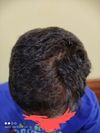
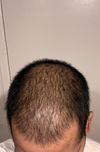
A 19-year-old male shared his 1-month results using minoxidil, ketoconazole shampoo, and dermastamping for traction alopecia. He plans to continue this treatment for 11 more months.
The user started taking oral 0.5 mg dutasteride and 2.5 mg minoxidil daily since July 9. After about three months, they report positive progress in hair regrowth, with others agreeing it looks good.
The user shared progress pictures showing improvement in hair loss after 4 months of using Minoxidil and plans to start Finasteride. They received advice to stay consistent and consider oral Minoxidil.
The conversation is about alternatives to minoxidil for hair growth, as the original poster experienced chest tightness from using it. They are currently using finasteride and considering options like rosemary oil, pumpkin seed oil, and other topical treatments, but acknowledge that minoxidil and finasteride are the most scientifically supported treatments.
A user named Zaehk shared their progress with hair loss after taking oral dutasteride and minoxidil. They started seeing positive results and mentioned concerns about side effects of minoxidil. Other users expressed support and encouragement.
User shared progress pictures of hair density improvement using 1mg finasteride and topical minoxidil, but expressed concern about recent hairline miniaturization and treatment effectiveness. Another user complimented the results and inquired about initial shedding.
The user reports hair improvement and healthier scalp after 8 months of using finasteride, oral minoxidil, and a topical minoxidil/finasteride spray. Others congratulate the user on noticeable regrowth.
The user is seeking a replacement for topical minoxidil during a six-day vacation, considering options like intense massage or oral minoxidil. They are looking for advice on managing hair loss without topical solutions.
The conversation is about a user sharing their positive hair regrowth progress using 1mg oral finasteride and topical minoxidil. The user encourages others to try treatment early if they are unsure.
User reports 3.5 months on oral finasteride and topical minoxidil for hair loss. They see improvement in crown area and thicker hair, trusting the process.
A 26-year-old male started treatment with 1 mg finasteride and 2.5 mg oral minoxidil on September 25. By November, he noticed significant hair regrowth with no major side effects, except increased hair growth in other areas.
The user is trying Hair + Me's 5% minoxidil and 0.1% finasteride topical, which has a different carrier and pleasant smell compared to traditional alcohol-based formulas. They are seeking feedback on its effectiveness compared to classic formulas.
A user shared progress pictures showing hair regrowth after using a homemade oral solution of 1 mg dutasteride and 2.5 mg minoxidil. Commenters noted significant improvement and increased body hair.
The user is experiencing hair loss and plans to use a treatment protocol including Saw Palmetto Berries, MCT Oil, Zinc, testosterone balancers, L-tyrosine, and L-theanine. They also use a specific dandruff shampoo and are open to non-prescription treatments.
A 28-year-old male shares his hair regrowth progress using finasteride, topical and oral minoxidil, hair peptide serum, ketoconazole shampoo, dermastamping, multivitamins, and a high-protein diet. He reports noticeable hair growth and minor side effects, emphasizing patience as key to success.
A user noticed hair loss since age 16 and is now using minoxidil 5% twice daily, scalp massages, and a derma stamp weekly, along with Alpecin Caffeine Shampoo. They report seeing new hair growth and are happy with the progress.
The user tried various hair loss treatments, including Maxogen-X, Dualgen15, minoxidil, finasteride, and dermarolling, but experienced limited regrowth and some side effects. They eventually switched to oral minoxidil, hoping for better results.
The conversation is about someone's 4-month hair regrowth progress using 0.5mg dutasteride and topical minoxidil. Another person is inspired and is using 5mg finasteride and 5% minoxidil topically twice daily, hoping for similar results.
The user is experiencing a burning sensation from using minoxidil and is considering trying an alcohol-free version with added azelaic acid. They are also using finasteride and seeking reliable, low-cost alternatives for minoxidil.
A user underwent a hair transplant at Moart Clinic in Seoul, receiving 1100 grafts in the crown area after Dutasteride and oral Minoxidil failed to improve a stubborn bald spot. The procedure was successful, with minimal pain and good post-op recovery, costing $6900 USD before a tax refund.
Adding melatonin to topical hair loss treatments like Minoxidil can promote thicker hair growth, with the only side effect potentially being improved sleep. Melatonin is affordable and easy to mix into solutions.
A user is seeking feedback on "Hair Gro" by New Nordic, which they are using alongside Rogaine, Nizoral shampoo, and castor oil for hair growth. They plan to update on their progress with the product, which contains ingredients like apple extract, millet extract, tocotrienols, tocopherol, L-Methionine, silicon, zinc, and biotin.
User shared progress pictures showing hair growth from January to March using 1mg finasteride, topical minoxidil with peppermint oil, derma stamping twice a week, and biotin. Commenters are impressed with the quick and significant improvement.
The user is questioning if they are experiencing hair regrowth after using topical Minoxidil for 4-5 months, noting increased body hair but uncertain head hair changes. Other users suggest the appearance is due to a natural cowlick rather than balding.
A user shared a 10-month update on their hair loss treatment, including a hair transplant of 2300 grafts and 7.5 months of using a topical minoxidil/finasteride solution and ketoconazole shampoo. They expressed regret for not starting the medications sooner and reported side effects like heart palpitations, which improved after cutting out caffeine.
The conversation is about a user's hair regrowth after 2.5 months using topical minoxidil. Some suggest adding finasteride for long-term results, while others share their experiences with side effects or alternative treatments like dermarolling and dietary improvements.
A new supplement for hair growth combines black rice, prickly pear, and saw palmetto, showing promising results in increasing hair density and reducing hair loss. The supplement is considered a drug-free alternative to traditional treatments like minoxidil and finasteride.
The conversation discusses using minoxidil with retinol for hair loss treatment. Users share their experiences and opinions on the effectiveness of this combination.