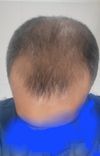
Minoxidil and finasteride are being considered for hair loss due to seborrheic dermatitis and male pattern baldness. The user is also using ketoconazole and zinc pyrithione shampoo.
The conversation discusses HMI-115, a potential cure for hair loss. Users share mixed opinions, with some expressing skepticism and others sharing anecdotal evidence of its effectiveness, including photos of significant hair regrowth from a trial participant.
The user successfully reduced hair loss using pumpkin seed oil, Nizoral shampoo, and astaxanthin without using minoxidil or finasteride. They observed significant improvement over 12 months and believe the combination of treatments is effective.
A user shared their positive experience with a 1900-graft FUE hair transplant by Dr. Ko at Newhair Clinic in Korea, costing $6,000. The user expressed satisfaction with the results and mentioned no longer experiencing stress over hair loss, but did not specify using any medications like finasteride.
The conversation discusses using GHK-Cu copper peptide from Bulk Naturals for hair loss, comparing its price and quality to Peptide Sciences. Concerns about the product's legitimacy are mentioned, but COA documents are available.
A user discusses the legitimacy of Kintor's KX-826 for hair loss, available on Amazon through Koshine Biomedica. They decided to order it after finding a document linking Kintor and Koshine as collaborators.
The conversation discusses hair loss treatments, specifically Minoxidil, finasteride, RU58841, and Sulforaphane supplements. Two brands of Sulforaphane supplements, Avmacol and Prostaphane, are mentioned with optimal dosages.
A user's experience using topical finasteride and melatonin to regrow hair, as well as their use of dermaroller versus dr. Pen for microneedling. People discussed the benefits of oral minoxidil and questioned if melatonin could help with hair regrowth.
Norwood 7 hair loss is often excluded from trials to ensure treatments appear more effective and to reduce costs. Some believe treatments effective for Norwood 5 could work on Norwood 7, but companies prioritize market readiness.
The conversation is about hair loss treatments, specifically a stack including topical Ashwagandha, Copper Peptide, Gotu Kola, Ketoconazole, and PDA. One user found Topical and Sub-Q GHK-CU effective.
Minoxidil helped with hairline regrowth, but stopping it led to hair loss, suggesting circulation issues. Dermarolling, collagen peptides, and oils like castor and rosemary are recommended for improving hair health.
A user shared their experience with hair loss treatments, including RU58841, ketoconazole shampoo, caffeine shampoo, and topical finasteride. They found RU58841 effective for diffuse thinning but experienced severe hair loss after stopping it; topical finasteride worked well for a receding hairline but caused side effects. They also use a charcoal shampoo and practice scalp massages.
A 31-year-old experiencing rapid hair loss is considering whether to shave their head or use treatments. They were prescribed B12, topical finasteride 0.1%, and minoxidil 10% but are unsure about the correct dosage and potential side effects.
The conversation is about a user seeking help with hair regrowth treatments, specifically mentioning Setipiprant, Minoxidil, Finasteride, and RU58841. The user is trying to contact forum members for guidance on making and using these treatments.
The conversation is about the potential of SCUBE3 to regrow a juvenile hairline. Specific treatments mentioned include Minoxidil, Finasteride, and RU58841.
The conversation discusses hair regrowth progress using finasteride, minoxidil, dutasteride, ketoconazole, microneedling, and multivitamins. The user shares their journey and receives advice on haircuts and additional treatments like PRP and RU58841.
The user experienced hair regrowth using a combination of Minoxidil, Finasteride, and RU58841, with Minoxidil used initially and the other treatments added later. The user believes the combination of Finasteride and RU58841 contributed to the regrowth, with RU sourced from MVsupplement.
Gut microbiome imbalances can cause scalp inflammation and affect hair follicles, potentially leading to hair loss. Treatments include finasteride, peptides like BPC-157, TB-500, KPV, and lifestyle changes such as diet and exercise.
A new hair loss treatment, pp405, may regrow hair better than finasteride and minoxidil, with potential availability by 2028. However, there is skepticism about its effectiveness and commercialization timeline.
The conversation discusses Procapil, a treatment for hair loss containing Apigenin and Oleanolic acid. Users are sharing their experiences and asking if anyone has tried it.
A user shared a 10-month update on their hair loss treatment, including a hair transplant of 2300 grafts and 7.5 months of using a topical minoxidil/finasteride solution and ketoconazole shampoo. They expressed regret for not starting the medications sooner and reported side effects like heart palpitations, which improved after cutting out caffeine.
GT20029 shows promise as a topical treatment for hair loss, potentially replacing finasteride for some due to its low systemic exposure and ability to degrade androgen receptors. However, skepticism remains about its long-term efficacy and availability, with some users expressing doubt about new treatments consistently failing to reach the market.
The conversation discusses avoiding caffeine after Platelet-Rich Plasma (PRP) treatment for hair loss because caffeine is a vasoconstrictor, which can reduce blood flow and hinder the healing process that PRP aims to promote.
Hair loss discussion includes treatments like Minoxidil, finasteride, and RU58841. Conversation focuses on foods with sufficient procyanidin b2, such as dark chocolate and apples, and the required dosage.
The user shared a 4-month hair loss treatment update, using Kirkland liquid minoxidil twice daily, microneedling with 1.5mm and 0.5mm needles, and applying rosemary oil twice a week. They plan to start taking finasteride and also grew a beard by microneedling and applying minoxidil to their face.
Adipose-derived stem cell secretome showed significant improvement in hair density and growth, especially when combined with minoxidil, suggesting a synergistic effect. The study had limitations, including a small sample size and potential bias.
A user with kidney disease and high blood pressure experienced hair thinning, especially around the vertex. They are currently using finasteride and oral minoxidil but are considering whether to resume blood pressure medication despite managing symptoms with diet and exercise.