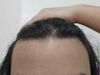
In the post, Rauph talks about how both finasteride and minoxidil have been effective treatments for his hair loss, suggesting that they should be used by others in similar situations.
Poor diet and lifestyle contribute to male pattern baldness. Treatments like Minoxidil, dietary changes, and lifestyle adjustments may help slow hair loss.
The user has been on a comprehensive hair loss treatment regimen for four years, including Dutasteride, topical and oral Minoxidil, and various other treatments, but has seen little progress and is considering a hair transplant. Despite trying multiple therapies, including PRP and exosome injections, the user is still experiencing hair thinning and is hesitant about trying peptides due to potential cancer risks.
The conversation discusses Melatonin's potential benefits for AGA and a product called "Asatex" by ASATONA AG. The company was uncooperative when contacted for purchase inquiries.
A user shared their success with oral finasteride and topical minoxidil for hair loss, recommending these treatments to others. They emphasized the importance of informing others about effective treatments rather than relying on supplements.
User used minoxidil 5% topical liquid, HIMS topical finasteride, derma rolling, DHT blocking shampoo, and castor oil with rosemary for hair loss treatment. They experienced significant progress and increased confidence.
A 27-year-old male is experiencing hair loss and dandruff, despite trying various treatments like cortisone, diflucan, and natural remedies. He is considering shaving his head and is seeking advice on the "Big 3" treatment, which includes Minoxidil, finasteride, and RU58841.
.
CumsOnYourFeet69 has been discussing a new treatment called CosmeRNA which claims to target the root cause of male pattern baldness, and is considering using it in conjunction with Minoxidil instead of Finasteride due to possible side effects. Replies have highlighted that the efficacy of this treatment is still unknown, but it could be used as an effective maintenance option if successful.
The conversation is about men discussing their experiences with hair loss and their acceptance or resistance to it, mentioning treatments like finasteride and hair transplants. Some users express hope to maintain their hair while young, while others have accepted baldness or found confidence after shaving their heads.
A 27-year-old male shared his 13-month progress using finasteride and topical minoxidil for hair regrowth, reporting significant improvement without noticeable side effects. He also mentioned losing 110 lbs, which may have contributed to his overall health and appearance.
A user is documenting their natural approach to treating a receding hairline using a dermastamp, essential oils (rosemary oil at 3% dilution with pumpkin seed oil), a multivitamin with vitamin D, and daily collagen shakes. They acknowledge the common recommendations of minoxidil and finasteride but prefer to test natural methods and share their results.
The conversation discusses improvements to a platform and mentions hair loss treatments including Minoxidil, finasteride, RU58841, and melatonin. It also highlights the addition of features like Google login, reply by email, keyword extraction, and a term glossary for better understanding of hair-related terminologies.
The conversation humorously discusses hair loss treatments, mentioning Minoxidil, finasteride, and RU58841. It suggests that affordable genetic therapy could be the ultimate solution.
AH-001 is a new topical treatment designed to degrade androgen receptors, targeting the root cause of androgenetic alopecia without the side effects of oral treatments like finasteride. It has shown a strong safety profile and good local tolerability in early trials.
The conversation discusses a shared PDF about hair loss treatments, which might help those not seeing results with Minoxidil, Finasteride, and RU58841. Some users are skeptical about the content's value and the price charged for it.
A user's plan to use Zix and topical finasteride (5AR inhibitors) for hair loss, followed by blood testing before/after. The user has suggested creating a fund to cover part of the cost of their blood tests. Replies to their post discuss the effectiveness of the treatments.
A 27-year-old male with ADHD is experiencing hair thinning and is starting a treatment with topical finasteride (0.025%) and minoxidil (5%). He is addressing high prolactin levels and low vitamin D, while managing side effects from ADHD medication.
The conversation discusses using magnesium oil and microneedling to promote hair growth, alongside finasteride, due to financial constraints preventing the use of minoxidil. Another suggestion includes using a certilizine solution for hair health.
Michael Scott's hair improvement was likely due to a hair transplant and possibly finasteride. Some believe his hair was intentionally styled poorly in the first season.
Topical melatonin was found to significantly increase hair density and decrease scalp conditions like seborrheic dermatitis. The user is considering using it alongside finasteride and oral minoxidil for treating hair loss and scalp health.
A 28-year-old male experienced significant hair improvement in two months using 2.5mg oral minoxidil daily, 1mg finasteride every other day, weekly dermastamping, daily scalp massages, and rosemary oil. The user reports no side effects and questions if the rapid progress is typical or if they are a hyper responder.
This post and conversation are about mocking hair loss treatments, specifically Minoxidil, finasteride, and RU58841, with humorous and sarcastic comments. The satire suggests absurd methods and results, highlighting skepticism about these treatments.
User applied topical Minoxidil 5% and Finasteride 0.1% daily, with rosemary oil weekly, and saw initial baby hair growth. They plan to add derma stamping and Redensyl serum.
Finasteride and Dutasteride will remain accessible in the EU despite objections from France and Belgium. Users discuss the ease of obtaining these medications in different countries and express relief and support for the EU's decision.
The conversation discusses whether finasteride's reduction of DHT and increase in scalp testosterone contribute to hair follicle miniaturization. Some participants argue testosterone does not cause miniaturization, while others suggest that even with reduced DHT, other androgens like testosterone may still contribute to hair loss.
A 28-year-old male has been using 5% minoxidil, derma stamping weekly, and daily scalp massages to address hair loss. He is hesitant to use DHT inhibitors like finasteride or dutasteride despite suggestions from others.
The conversation discusses positive initial trial results for GT20029, a topical compound for hair loss that degrades androgen receptors, potentially requiring only weekly application. Participants express hope for this treatment to be more effective and convenient than current options like Minoxidil, Finasteride, and RU58841.
A user shares their positive experience of embracing baldness, noting increased attractiveness and dating success after shaving their head. They encourage others to consider going bald instead of relying on medications like Minoxidil, finasteride, or RU58841.
The user experienced noticeable hair regrowth in three months using finasteride, minoxidil, and weekly dermastamping, while managing scalp inflammation with clobetasol. The user also uses a sea salt shampoo and rosemary conditioner to help maintain scalp health.
The conversation discusses using Morr F Aqua, an alcohol-free version of Minoxidil, for hair loss, particularly for someone with dandruff issues. The user is considering if this product is suitable for their condition.