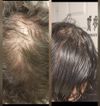
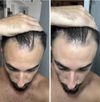
A user shared their 3-month hair loss progress using 5% topical Minoxidil, 8% topical RU58841, 1mg Finasteride daily, and a 1.5mm derma stamp weekly. Another user commented that the results look improved.
After 5 months using 1mg oral finasteride, 2ml topical minoxidil, 3mg oral minoxidil, biotin, and shampoo with nioxin and nizoral, the individual saw decent hair improvement but is not fully satisfied yet.
Microneedling at .25 depth may not be as effective as other depths for hair loss treatment. Minoxidil and tretinoin are used, but DHT blockers are also recommended for better results.
A user shared progress pictures showing improved hair fullness after 75 days using 2.5mg oral minoxidil daily, 1mg oral finasteride every other day, a 1.5mm dermastamp weekly, and daily scalp massages. They report seeing early positive results.
People are discussing the use of an untested hair loss treatment called PP405, which is not available on the grey market. Some users are trying a mimic formulation called HP3, reporting thicker hair but no new growth yet.
The user has been using minoxidil for 6 months and has seen improvements but still has bald spots. They plan to consult a dermatologist to address their concerns.
A user's progress pictures after taking finasteride, minoxidil and dermaroller treatments for hair loss over the past two months. Other users replied to offer advice and support on whether there is hope for hair regrowth.
Users are experiencing hair shedding after initial improvement using treatments like Minoxidil, finasteride, and dutasteride. Shedding is seen as a sign of progress, but concerns arise when hair falls out again after a few months.
The conversation discusses a new 0.3% tretinoin topical launched by MinoxidilMax for mixing with other solutions, with some users expressing concern about potential skin irritation compared to lower concentrations. MinoxidilMax has also released other products like topical Dutasteride and RU58841.
Younger generations now view receding hairlines as baldness, increasing the use of treatments like minoxidil and finasteride. Social media and changing beauty standards have intensified focus on hairlines, altering perceptions of baldness.
The user experienced significant hair thinning in two months and is questioning if this is typical of male pattern baldness. Treatments mentioned include Minoxidil, finasteride, and RU58841.
User 74775446 shares successful hair regrowth results using dermaroller/pen and minoxidil. Others discuss their experiences and concerns about finasteride side effects.
TDM-105795 showed better efficacy and safety in trials for hair loss, with a higher hair count improvement compared to GT20029 and HMI 115, but it's not as widely discussed. The user is questioning why this is the case.
A 25-year-old shared his 4-month progress using oral minoxidil, oral finasteride, a 1mm dermastamp, Nizoral, and upgraded shampoo and conditioner. He feels he sees some regrowth, though some commenters attribute the change to a different hairstyle.
The conversation discusses sourcing pure latanoprost from the gray market for research and making a homemade solution. Concerns about potential dangers and experiences with this method are raised.
Shedding after a break from minoxidil or RU58841 means hair falls out or becomes thinner and weaker quickly before falling. The discussion clarifies the nature of hair shedding with these treatments.
A 26-year-old male with grade 3 hair loss is using 2.5 mg oral minoxidil, 1 mg finasteride, 5% minoxidil, ketoconazole shampoo, and kLM d3. He plans to post progress pictures every 6 weeks and is seeking suggestions.
Hair loss treatments discussed include microneedling, minoxidil, tretinoin, finasteride, dutasteride, pumpkin seeds, saw palmetto, and scalp massage. The consensus is that finasteride or dutasteride is necessary for significant regrowth, while other methods may only slow hair loss.
The conversation discusses hair regrowth after one month of using 5% minoxidil, with users noting significant hair growth and varying responses. Some users mention using oral minoxidil and finasteride, with mixed results on hair thickness and growth.
User shares 4-month progress using finasteride, minoxidil, and microneedling for hair loss. Others discuss body hair, hair transplant possibilities, and user's treatment response.
A 28-year-old male started a hair loss treatment with 2.5mg oral minoxidil daily, 1mg finasteride every other day, and a 1.5mm dermaroller once a week. After two months, he believes he sees some progress.
The conversation discusses choosing between titanium fixed needles and a pen with disposable needles for hair loss treatment at a 1.5mm depth. The preference is for disposable needles for better sanitization.
Switching from 2% liquid minoxidil to 5% foam minoxidil reduced scalp irritation but increased eyebrow flakiness and thinning. The user speculates that propylene glycol in the liquid formulation might have been protecting against seborrheic dermatitis while causing contact dermatitis.
User experienced hair growth after 4 months using Minoxidil and dermastamp. Others suggest adding Finasteride or Dutasteride for long-term results and trying microneedling with Minoxidil.
The user has been using finasteride for years with little regrowth and recently started using Cécred edge drops, which have significantly improved their scalp condition. Another user mentioned combining Cécred with derma stamping for better results.
Minoxidil may cause wrinkles and dark circles, which some users report can be mitigated by adjusting dosage. Reactions vary, and while some dismiss these side effects, others experience significant changes.
Taking 5mg oral minoxidil at night instead of splitting 2.5mg doses, with the rationale that a single larger dose may provide a stronger activation for hair follicles and reduce peak-related side effects. Some users report sleep issues with nighttime dosing, while others find it beneficial; opinions on effectiveness and side effects vary.