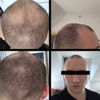
A man shared his hairline improvement after two years on 1.25mg finasteride daily and using piroctone olamine shampoo. He has not had a hair transplant and does not plan to use minoxidil.
The user experienced significant hair regrowth over 8 months using a topical combination of 0.3% finasteride and 6% minoxidil, applied nightly, along with weekly microneedling and ketoconazole shampoo. They reported no side effects and attributed the improvement mainly to minoxidil, while maintaining consistent use of supplements and a healthy lifestyle.
The user stopped using topical minoxidil and finasteride after 2.5 months and switched to oral finasteride, 1mg daily, and did microneedling 1.5mm seven times. They experienced occasional sleep issues and watery semen as side effects, which stopped after discontinuing the topical treatment.
The conversation discusses hair loss treatments, specifically using Minoxidil, microneedling, and finasteride. The user is concerned about worsening hair loss and is advised to consider finasteride.
A 24-year-old male has been using 0.1% finasteride and 5% minoxidil daily for four months, added dermarolling and topical dutasteride, and sees hair regrowth, improving from a Norwood scale 4a to 3a. He wants to optimize his hair loss treatment routine.
The user is concerned about hair loss and is considering treatments like finasteride and minoxidil but is unsure about their effectiveness and side effects. They have experienced mixed reactions to shaving their head and are struggling with confidence due to balding.
A 33-year-old man shares his one-year progress using 5% Minoxidil and 0.5% Tretinoin cream, along with derma stamping and specific shampoos, to combat hair thinning and promote hair growth. He avoids using finasteride or dutasteride, despite suggestions from others to try them for long-term maintenance.
A user started balding early and initially used minoxidil, which helped temporarily. They recently switched from topical to oral finasteride, hoping it will improve their hair without needing a transplant, while continuing with minoxidil and microneedling.
The conclusion of the conversation is that the user should consider using treatments such as finasteride, minoxidil, and RU58841 to potentially reverse their hair loss. Other suggestions include using hair loss concealers and maintaining a healthy diet.
The conversation discusses a 33-year-old man's experience with hair regrowth after three months using topical finasteride, 5% minoxidil, saw palmetto, and scalp massages. Specific treatments for hair loss are being evaluated for their effectiveness.
The user "OP" reported significant hair regrowth using oral finasteride, oral and topical minoxidil, ketoconazole shampoo, and derma stamping. OP experienced initial shedding but no other side effects.
The user is concerned about hair thinning and has been using finasteride 1mg and minoxidil 5%, along with Alpecin caffeine liquid and vitamins. Others suggest continuing the treatment, as it seems to be stabilizing the hair, and advise against stopping the medication abruptly.
The user reports significant hair regrowth using a topical solution of 5% minoxidil and 0.1% finasteride twice daily, along with derma rolling twice a week. They have not experienced shedding and are optimistic about continued hair growth.
An 18-year-old male switched from topical finasteride and minoxidil to oral dutasteride for diffuse hair loss and saw improvement without side effects, despite experiencing scalp itch and shedding. Commenters noted significant hair regrowth and were surprised by his young age and appearance.
The user experienced tiny vellus hairs from 0.5mg finasteride and 2.5mg minoxidil over 9 months. Topical minoxidil, alfatradiol, and RU58841 applied twice daily for 1.5 months significantly improved temple hair regrowth.
A 22-year-old male using finasteride, minoxidil, and derma stamping for one month reports progress in hair loss treatment. He also uses vitamin D, omega-3, beta carotene, tongkat ali, and ag powder, and maintains an active lifestyle.
The user experienced hair thinning and used microneedling, DHT blocking shampoo, and Biotin DHT blocking oil to address it, avoiding finasteride and minoxidil unless necessary later. They reported mild improvement but received mixed feedback, with some suggesting other conditions or treatments like ciclopirox shampoo.
A 22-year-old is experiencing hair thinning and is using oral finasteride and minoxidil chewables, along with microneedling and anti-dandruff shampoo, to manage it. Despite experiencing significant shedding, they remain hopeful for regrowth in the coming months.
The user is managing hair loss with oral finasteride, recently switching to dutasteride, and topical minoxidil, but faces challenges due to seborrheic dermatitis. They seek advice on effective regrowth methods that don't worsen their condition, with suggestions including various shampoos like Vichy Dercos and ketoconazole.
The user experienced significant hair improvement with minoxidil and finasteride but later faced shedding and diffused thinning after developing seborrheic dermatitis. They are seeking advice after trying treatments like ketoconazole, coal tar shampoos, fluconazole, and hydrocortisone cream.
A 21-year-old with accelerated hair loss due to stress and weight loss is using minoxidil, finasteride, and microneedling to combat balding, despite experiencing a significant initial hair shed. They are committed to continuing treatment for at least three months and are considering switching to topical finasteride if necessary.
A 22-year-old has been treating hair loss with 1mg finasteride daily, 5% minoxidil nightly, and 0.1% tretinoin nightly for three months, noticing improvements in hair quality. Progress pictures show changes a month apart, starting before treatment.
OP is unsure if their hair is improving or worsening despite using Topical Fin, Pyri, Keto Shampoo, TGel, Microneedling, and Tretinoin. A user suggests switching to oral Fin and Minoxidil.
An 18-year-old is using minoxidil, finasteride, and tretinoin for hair loss, with concerns about uneven temple progress. They have been on minoxidil for 3.5 months and finasteride for 2 months.
The user experienced hair loss and used a topical minoxidil and finasteride solution, which initially halted hair fall and increased thickness. After switching to oral finasteride, they experienced significant shedding without regrowth, leaving them worse off than before.
The user has been using finasteride and topical minoxidil for 15 months but is experiencing constant hair shedding, similar to telogen effluvium, despite stable widow peaks. They have checked for vitamin and mineral deficiencies, consulted specialists, and are considering further investigation like a scalp biopsy.
The user is experiencing hair loss and is concerned about a small bald patch despite having thick hair and a full crown. They are considering starting minoxidil and finasteride to prevent further hair loss.
Quitting minoxidil can lead to significant hair loss, even in areas that were not thinning before, as hair becomes reliant on the treatment. Some users also report losing hair gains when stopping minoxidil despite taking finasteride.
The conclusion of the conversation is that the user, AlgomasReturns, tried various treatments for hair loss but saw regrowth after starting finasteride. They recommend others to try it as well.
The user is experiencing diffuse shedding but also hairline regrowth after starting finasteride, switching to dutasteride, and using oral minoxidil, ketoconazole shampoo, and RU58841. Other users advise patience, suggesting that the treatments need more time to show results and caution against using too many medications simultaneously.