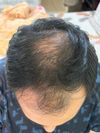
Woman uses antiandrogens for hair thinning prevention, experiences severe dry eye with finasteride. Asks if dutasteride could be better despite potential for worse dry eye.
Dutasteride once a week may be a cost-effective alternative to daily finasteride for reducing DHT levels, with potential benefits for those seeking a lighter approach to hair loss treatment. Some users combine dutasteride with finasteride, minoxidil, and dermarolling for improved results.
The conversation discusses the frustration over the unavailability of 2.5mg dutasteride soft gels, with some users suggesting higher doses for better scalp DHT suppression. Concerns about side effects and the necessity of DHT are debated, with some users advocating for alternative treatments like RU58841 and oral minoxidil.
The user "NotYourMothersDildo" shared their progress pictures after using finasteride and oral minoxidil for 60 days. They noticed significant improvements in hair thickness, texture, and growth, including their mustache and beard.
A user experienced high estrogen levels after 10 months of taking 1mg oral finasteride but is happy with hair regrowth. They are considering switching to topical finasteride and are also taking DIM and Zinc supplements.
A 46-year-old male shared his 3-week progress using HIMS serum with Finasteride 0.3% and Minoxidil 6%, showing improvement without noticeable shedding. His routine includes vitamins, a healthy diet, and specific hair care practices like microneedling and using caffeine solution.
The conversation humorously discusses using "pure willpower" as a method to combat hair loss, alongside treatments like dutasteride, finasteride, and RU58841. The original poster claims that this unconventional approach, involving shouting affirmations and avoiding distractions, has led to noticeable hair regrowth.
Some men look better with shaved heads due to facial features and low body fat, while others believe a perfect hairline enhances attractiveness. Treatments like finasteride might be used to maintain a perfect hairline.
The conversation revolves around how balding has made the original poster and others hyper-aware of other men's hairlines, often judging the severity of their hair loss and whether they've had treatments like hair transplants, minoxidil, or finasteride. Some participants express a need for therapy due to their obsession, while others joke about their newfound "expertise" in assessing hair loss.
A user reported significant facial aging after using minoxidil for hair loss, despite a good skincare routine and healthy lifestyle. They plan to switch to dutasteride and possibly stop minoxidil.
The user is experimenting with a mix of topical treatments, including finasteride and minoxidil, to improve hair growth, particularly at the temples and core. They are also trying various oils, despite skepticism about their effectiveness, to see if they can enhance results without causing harm.
Dutasteride is more effective than finasteride, has neuroprotective benefits, and may prevent acne. Despite initial concerns about metabolic effects, further research suggests it is safe for most users, especially if not hypogonadal.
A 25-year-old shared his 4-month progress using oral minoxidil, oral finasteride, a 1mm dermastamp, Nizoral, and upgraded shampoo and conditioner. He feels he sees some regrowth, though some commenters attribute the change to a different hairstyle.
The conversation is about a user's 6-month progress using topical Minoxidil (5%) and oral Finasteride (2.5 mg) for hair loss, emphasizing consistency for results. The user reports some side effects like mental fog and increased body hair but no significant changes in libido.
The user experimented with finasteride to reduce hair loss and plans to test if creatine affects DHT levels while on finasteride. Initial results showed low DHT levels, indicating finasteride's effectiveness, with further tests planned for creatine's impact.
A 29-year-old male shared his hair growth progress after 3.5 months using finasteride, minoxidil (topical and orally), tretinoin cream, GHK-Cu, and derma stamping. He experienced increased libido initially and thinning body hair but is satisfied with the results despite an early shedding phase.
Minoxidil 0.5% MMP® showed better results in parietal-vertex regions for less advanced female pattern hair loss compared to Minoxidil 5%. MMP® with Minoxidil can improve the quality of life for these patients.
The conversation discusses the potential effects of soy isoflavones on hair loss, suggesting soy might counteract DHT due to its estrogenic properties. It also touches on the legitimacy of sources and anecdotal stories about soy consumption.
The conversation humorously discusses a person with an unusually thick head of hair, with some users joking about using treatments like Minoxidil and finasteride. Many express envy or disbelief, while others suggest a haircut or comment on facial features.
The conversation is about a person's 6-week progress using 2.5 mg oral minoxidil, 0.5 mg dutasteride, weekly derma stamping at 1.5 mm, and rosemary oil for hair loss, with some initial shedding but no side effects. They are optimistic about future results.
A person decided to embrace baldness after struggling with hair loss despite trying treatments like Minoxidil. Many users complimented the new look, while some suggested trying finasteride or other methods to maintain hair.
A female experiencing hair loss while on testosterone replacement therapy is using oral Minoxidil, Spironolactone, and finasteride, but still losing hair. Suggestions include switching to dutasteride, using topical anti-androgens, and reducing Nizoral shampoo use to prevent scalp dryness.
Finasteride does not significantly affect muscle gains and can slightly increase testosterone levels. Creatine is generally considered safe to use with finasteride, though some believe it may increase DHT levels, potentially affecting hair loss.
A user humorously discusses hair loss, using treatments like Dutasteride, Finasteride, Minoxidil, and RU58841, and jokingly considers satanic rituals as a solution. The conversation includes satirical responses about trading one's soul for hair.
Finasteride can cause pelvic or urethral discomfort for some users. Reducing the dose to 0.25 mg on Mondays, Wednesdays, and Fridays is being considered as a potential solution.
The user is experiencing significant hair loss despite using treatments like finasteride, minoxidil, dutasteride, micro-needling, rosemary oil, and various vitamins. In the conversation, others suggest checking iron and hemoglobin levels, maintaining a positive attitude, and adding RU58841 to the treatment regimen.
The user experienced chest soreness and mild gynecomastia after taking 1mg finasteride three times a week, which resolved after stopping the medication. They are considering trying a lower dose or topical finasteride to avoid side effects.
The conversation discusses alternatives to finasteride for hair loss, including topical treatments like minoxidil, RU58841, CB-03-01, and dutasteride. Users also mention other options like alfatradiol, topical caffeine, and mesotherapy, while expressing concerns about side effects and the effectiveness of these treatments.
Topical aldactone is discussed for its effects on men's hair and muscles. The conversation explores its potential benefits and side effects compared to other treatments like Minoxidil, finasteride, and RU58841.
A 23-year-old male is using finasteride (1mg daily), derma rolling, and Nizoral for hair loss treatment, experiencing increased shedding and side effects like anxiety, decreased libido, and fatigue. Despite no positive changes in hair after three months, he plans to continue finasteride and may consider RU58841 or CB as future treatments, avoiding minoxidil due to past negative experiences.