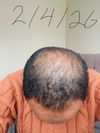
User shares new hair growth stack including oral minox, daily rolling with minox application, niacin, and Dutasteride. Excited about progress and plans to update in two months.
Concerns about the effectiveness of DHT inhibitors like finasteride and minoxidil due to potential polymorph issues. Experts suggest these concerns are largely unfounded, especially compared to rare cases like ritonavir.
After suffering from hair loss and trying various treatments like finasteride, minoxidil, RU58841, and scalp micropigmentation without lasting success, the individual found freedom and a renewed sense of self by shaving their head and accepting their baldness. They encourage others struggling with hair loss to not waste years searching for a cure and to consider embracing a shaved head as a positive solution.
Finasteride likely does not significantly affect beard growth. Some users report slowed beard growth, but many maintain their beards without noticeable changes.
The conversation discusses concerns about potential side effects, specifically gynecomastia, from taking 1mg of finasteride every other day for hair loss. Bloodwork results were shared, but more information was requested to provide advice.
A 23-year-old male shared his 4-month progress using 1mg finasteride daily, along with B-12 and D3+K2 supplements, to address hair loss. He sought feedback on using generic finasteride and shared his journey to regain confidence.
A user shared progress pictures showing hairline improvement after 2 years of using topical Minoxidil, 1mg oral Finasteride, and sporadic microneedling. Another user praised the progress and shared mutual encouragement.
The user shaved their head, received positive feedback, and was advised to trim their beard. Friends suggested using finasteride and minoxidil for hair maintenance.
Dutasteride may inhibit new beard growth, but minoxidil can still promote beard growth, albeit slowly. Some users report thicker beards with oral minoxidil despite using dutasteride.
The conversation is about hair loss anxiety and treatments like Minoxidil and finasteride. Users discuss self-acceptance, relationship support, and alternatives like shaving or learning to cut hair at home.
High estradiol levels may contribute to erectile dysfunction (ED) and can be addressed with lifestyle changes or medication. It's important to consult a medical professional for treatment options.
A 23-year-old male using minoxidil once daily is concerned about hair loss and hesitant to use finasteride due to potential side effects. Suggestions include adding finasteride, exercise, cold showers, spicy food, infrared exposure, sunbathing, and tretinoin.
A 40-year-old male has been using 5% minoxidil foam, 1mg finasteride, and a derma roller weekly for 2.5 months to treat hair loss. He is seeking feedback on whether the treatment is showing progress or if it's too early to tell.
Controlling insulin levels through intermittent fasting and a low glycemic diet may improve hair quality by reducing androgens. It's important to maintain proper nutrition, including electrolytes and protein, during fasting.
The conversation discusses using scalp antiandrogens like RU58841, pyrilutamide, or fluridil on the face to reduce sebum production, noting that clascoterone (winlevi) is an approved facial antiandrogen with underwhelming reviews.
The user experienced excessive scalp oiliness and high testosterone levels after switching from finasteride to dutasteride. They plan to manage their condition with finasteride and are considering spironolactone to reduce testosterone and restore dry skin.
A 28-year-old male using Tugain 10 minoxidil, Finpecia 1mg finasteride, Cipla Ketoconazole shampoo, and dermarolling 0.5mm weekly for 3-4 months is seeing some hair regrowth. Encouragement is given to continue the regimen.
The post is about a user who stopped using finasteride for hair loss and shaved his head, receiving positive feedback. The conversation includes discussions on side effects of finasteride, including potential fertility issues, and alternatives like minoxidil, dermarolling, and hair systems.
Finasteride may affect neurosteroids, impacting mood and sexual function, with varied user experiences. Some report side effects like depression and sexual dysfunction, while others find it effective for hair retention or prefer alternatives like Dutasteride or topical treatments.
Beard gains from minoxidil are usually permanent due to facial hair follicles' lower sensitivity to DHT. Scalp hair requires ongoing DHT suppression with treatments like finasteride, dutasteride, and RU58841 to maintain gains after stopping minoxidil.
A peptide from Japanese water chestnut fruit may help with hair loss by suppressing DHT's effect on hair follicle cell death, potentially serving as a finasteride alternative. The treatment's effectiveness and safety in humans remain uncertain.
A 22-year-old male is using minoxidil, finasteride, and microneedling for hair regrowth, and users are optimistic about the progress, suggesting continued consistency for better results. Some users mention personal experiences with similar treatments, noting varying levels of success.
A user shared their success with oral finasteride and topical minoxidil for hair loss, recommending these treatments to others. They emphasized the importance of informing others about effective treatments rather than relying on supplements.
User experienced feminizing side effects from finasteride and tried RU, alfatradiol, and finasteride without success. They are now considering treatments like Stemoxydine, Zix, Minoxidil, Dermarolling, Eucapil, and a hair transplant.
Creatine may increase DHT levels, potentially affecting hair loss, but evidence is mostly anecdotal. A study to explore this was withdrawn due to funding issues.
The conversation humorously discusses hair loss treatments, including topical finasteride, oral dutasteride, topical minoxidil, RU58841, peppermint oil, and microneedling. It also mentions lifestyle changes like converting to Islam and avoiding smoking, drinking, and partying.
A 24-year-old male using topical finasteride for hair loss is experiencing thinning despite treatment and has high estrogen levels. He is seeking advice on whether high estrogen could be causing hair loss and how others with high estrogen levels have addressed it.
A 33-year-old man using finasteride, minoxidil, thickening shampoo, conditioner, and Nizoral noticed peach fuzz after a month and is hopeful for regrowth. Others shared mixed experiences, with some seeing further growth and others not.