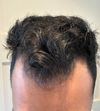
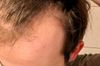
The user is experiencing diffuse hair thinning despite using finasteride and oral minoxidil, with no hairline recession or bald spots. Suggestions include checking for telogen effluvium, considering a JAK inhibitor for potential autoimmune issues, and conducting further tests to rule out other causes.
A 33-year-old attempted hair regrowth after 10 years of baldness using topical finasteride, minoxidil, micro-needling, a laser cap, and later oral dutasteride. They noticed some regrowth, especially vellus hairs, and are considering a hair transplant or other treatments despite side effects.
The user experienced significant hair shedding and dryness after starting minoxidil 8 months post-hair transplant, despite using finasteride and oils like castor and pumpkin seed oil. They expressed concern over the loss of density and the appearance of a failed transplant.
The user has been dealing with hairloss for six years using minoxidil, finasteride, and dutasteride without success. They are contemplating shaving their head due to continued hairloss and social anxiety.
A 22 year old man who is experiencing hairloss, thinning and dry scalp, has tried treatments such as finasteride and minoxidil, and other users sharing their experiences with similar issues.
A 21-year-old experiencing hairloss was prescribed two shampoos and hair vitamins by a dermatologist who suggested seborrheic dermatitis as the cause. However, users in the conversation suggested the hairloss could be male pattern baldness (MPB), recommending monitoring the situation and considering finasteride as a treatment.
A 57-year-old man with male pattern hairloss and insulin resistance experienced hair regrowth and weight loss after using tirzepatide, without other hair treatments. Dysregulated glucose metabolism is linked to hairloss, with tirzepatide potentially improving hair density by normalizing insulin resistance.
Rhamnose may promote hair growth and pigmentation, suggesting it as a potential hairloss treatment. The conversation discusses its potential alongside known treatments like Minoxidil, finasteride, and RU58841.
The user is experiencing hairloss despite using finasteride and Rogaine, with conflicting diagnoses from different hospitals. One suggests no hairloss, while another recommends continuing medication; a suggestion to see a dermatologist for proper assessment is given.
Hairloss can stabilize at a certain level and may not be permanent, especially if hormonal. The user experienced hair regrowth after using fish oil and derma rolling, but is hesitant to use Minoxidil or finasteride.
Diffuse thinners often experience more hair regrowth with DHT blockers like finasteride, possibly due to less DHT sensitivity and the presence of miniaturized, not completely bald, follicles. However, regrowth varies widely among individuals, influenced by factors like genetics, the stage of hairloss, and treatment methods such as minoxidil, microneedling, and dermarolling.
South Korea's president is advocating for hereditary hairloss to be covered by national health insurance due to its impact on mental health and daily functioning. The discussion highlights the societal pressure in South Korea regarding appearance and the potential benefits of treating hairloss to improve mental health.
The user began experiencing hairloss a few years ago at age 22 and is a diffuse thinner with a Norwood scale rating of 2. They have a naturally athletic build and gain muscle easily, with a hairy chest and stomach.
The conclusion of the conversation is that the user "Shakalakaplaka" shares their comprehensive hairloss regimen, which includes various treatments targeting different pathways such as DHT, inflammation, fibrosis, immune system, testosterone, gut problems, and scalp health. The effectiveness of the regimen is not confirmed, and some users express skepticism or request before and after pictures for credibility.
The user experienced significant hair regrowth using minoxidil, finasteride, and Nizoral shampoo, with initial shedding but eventual improvement. They plan to continue the treatment after regaining lost progress from stopping minoxidil.
The user is experiencing hairloss without a family history and suspects stress or telogen effluvium (TE) as the cause, despite using finasteride without results. Others suggest stress, vitamin deficiencies, or other conditions could be factors, and some mention that balding can occur without a family history.
A 26-year-old is starting a hairloss treatment using 1mg oral finasteride daily, 5% topical minoxidil foam twice daily, 2% ketoconazole shampoo weekly, and microneedling once a week. They noticed worsening hairloss over the past year and are seeking advice.
A 22-year-old is experiencing worsening hairloss despite using a doctor-prescribed serum and shampoo. They are seeking advice on additional treatments like Minoxidil, finasteride, or RU58841.
A 25-year-old with AGA experienced hair thinning and dandruff, stabilized with topical finasteride and minoxidil but saw minimal regrowth. They seek advice on styling and consider oral minoxidil and microneedling for denser hair.
Various peptides are discussed for treating male pattern baldness, with some available for topical use like GHK-Cu and Ac-KGHK, while others remain in research stages. Users are interested in experiences and sourcing these treatments.
The user is experiencing hair that doesn't grow past a certain length despite using minoxidil and finasteride for male pattern baldness. Suggestions include trying dutasteride, microneedles, and ketoconazole shampoo.
A user's successful hairloss treatment using ketoconazole shampoo, 0.5mg finasteride, and 5% liquid minoxidil. They noticed significant results after 4 months, with reduced hair fall observed earlier.
A user shared a 9-month hairloss treatment update using scalp micropigmentation (SMP), finasteride, minoxidil, derma pen, ketoconazole shampoo, and low-level laser therapy (LLLT), with plans for a hair transplant. Another person suggested increasing the dosage of finasteride and minoxidil and using a derma roller weekly.
A user embraced their hairloss by choosing a buzzed hairstyle and received positive feedback on their appearance. Some suggested acceptance and self-care, while others discussed the potential of hair regrowth with treatments like finasteride and minoxidil.