Managing seborrheic dermatitis using ketoconazole shampoo, Nizoral, and oils like MCT and coconut oil. The user considers shaving their head and consulting a dermatologist.
The user experienced hair shedding after stopping minoxidil and resumed using minoxidil 5% twice daily, topical finasteride 0.1% twice a week, along with dermarolling, head pinching, deep massaging, and inversion techniques. They are seeking suggestions to maximize hair regrowth efforts and have observed some progress.
The user is experiencing headaches and dizziness two weeks after starting finasteride at 1.25mg, concerned about potential brain fog affecting math studies. They mention hearing that headaches can be normal after starting finasteride.
The conversation is about a user massaging their scalp for 123 days to address hair loss, with mixed opinions on its effectiveness. Some suggest using minoxidil and finasteride for better results.
The user experienced unexpected hair volume increase after combining scalp massages with topical minoxidil and oral finasteride. They plan to continue this regimen, noting a reduction in hair shedding.
User asks how to manage sex life while using topical minoxidil for hair loss. Responses suggest various strategies, including using finasteride, applying minoxidil before or after sex, and avoiding certain positions.
Why the top of the head is affected by hair loss more than other areas, and treatments such as surgery, medications like minoxidil, finasteride, and RU58841 to treat it.
A trans man experiencing hair loss after starting testosterone treatment has seen positive results using topical minoxidil and finasteride, though his hair remains thin. He is considering continuing his current treatment and exploring additional options like microneedling and Breezula, while acknowledging the impact of testosterone on hair loss.
The user experienced hair thinning in the middle of their head despite using finasteride and minoxidil and having a hair transplant. They are concerned about the thinning and considering shaving their head, while being advised to continue treatment and manage stress.
The user started using finasteride, minoxidil, and biotin for male pattern baldness (MPB) and is experiencing rapid thinning. They are questioning if low blood flow to the head could be contributing to their hair loss.
The conversation is about the debate over the existence of Post-Finasteride Syndrome (PFS) and its symptoms, with some users skeptical about PFS and others discussing side effects like erectile dysfunction and gynecomastia from hair loss treatments like finasteride. Specific treatments mentioned include finasteride, viagra, and a joke about using a popsicle stick for erectile support.
User reports hair loss improvement with twice-weekly 0.25mg Fin, twice-weekly Min, weekly 0.5mm microneedling, and daily massages. Unconventional regimen contradicts typical advice but may reduce side effects.
Finasteride and minoxidil are recommended as first-line treatments for hair loss, with dutasteride and oral minoxidil as stronger options if needed. Hair transplants should only be considered after achieving stability with medication, and non-surgical options are suggested if medications are ineffective.
The user is considering a hair transplant after 4 years of using finasteride, minoxidil, microneedling, and scalp massages for hair regrowth. Opinions differ, with some suggesting continuing current treatments and others recommending a transplant to reduce maintenance.
User experienced significant hair regrowth using Minoxidil and Finasteride since January 2020, with no side effects reported. Shaving head twice helped Minoxidil reach scalp more effectively.
Way-316606 is considered a potential hair loss treatment but is avoided due to safety concerns and lack of research. Minoxidil and Finasteride are preferred as established treatments.
The user has been using minoxidil on their hairline for about six months and is also on finasteride. They are considering applying minoxidil to the rest of their scalp to improve hair density but are concerned about potential shedding.
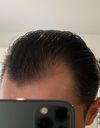
A 29-year-old male in Japan is seeking advice on transitioning Finasteride brands, sourcing Finasteride and Minoxidil without a prescription, and managing chronic scalp inflammation. He is considering adding Minoxidil to his routine and is concerned about diffuse thinning and persistent scalp issues despite following a dermatologist's prescribed treatment.
Managing blood pressure can help with hair loss, as seen with the use of medications like Cialis and oral minoxidil, which improved hairline and blood pressure. Lifestyle changes, such as reducing stimulant use and adjusting testosterone replacement therapy (TRT) doses, also play a role in addressing hair loss and overall health.
The conversation discusses managing seborrheic dermatitis (sebderm) and male pattern baldness (MPB) with treatments like finasteride, coal tar shampoo, Nizoral, and oral minoxidil. Users suggest dietary changes, regular shampooing, and using antifungal products to control sebderm before considering minoxidil.
The conversation is about managing a hair loss routine using Minoxidil twice daily, Tretinoin cream once daily at night, and microneedling once daily at night. The user is seeking advice on how to incorporate these treatments effectively without overlapping too much at night.
A user found relief from minoxidil-induced scalp itch by using a different product, as Nizoral dried out their scalp and worsened the condition. The conversation focuses on managing side effects of hair loss treatments.
The conversation is about managing scalp irritation caused by minoxidil use. Suggestions include switching to foam, using fluocinonide topical solution, trying lipogaine for sensitive skin, and considering low-dose oral minoxidil.
The conversation discusses managing gynecomastia symptoms potentially caused by finasteride use, with treatments including reducing finasteride dosage, using DIM, ashwagandha, tamoxifen, epistane, and arimistane. Users share experiences and advice on balancing testosterone and estrogen levels to address symptoms.
Staying positive and managing stress may slow hair loss, but treatments like finasteride, minoxidil, and dutasteride are essential for managing male pattern baldness. Stress can accelerate hair loss, but genetics play a significant role, and early treatment is crucial.
The conversation is about a 21-year-old seeking advice on managing hair loss, considering options like shaving, hair implants, or using treatments like finasteride and minoxidil. The user is concerned about self-image and the social implications of being bald at a young age.
The conversation discusses managing hair loss and scalp issues, with users sharing experiences using treatments like dutasteride, finasteride, ketoconazole, sulfur soap, and topical anti-androgens. Suggestions include trying sulfur soap, scalp massages, spironolactone, and dietary changes to reduce sebum production and dandruff.
The conversation discusses managing hair loss and seborrheic dermatitis with treatments like minoxidil, finasteride, and saw palmetto, emphasizing the importance of scalp health and DHT reduction. The user shares personal experiences and suggests a balanced approach, combining topical treatments and lifestyle changes for effective hair regrowth.
![[29M] Living in Japan. Need advice on transitioning Finasteride brands, sourcing options, adding Minoxidil, and managing chronic scalp inflammation/burning](/images/assets/2c03d2a6-45e7-43a7-ae42-66134be78c7f/small/20575.jpg)