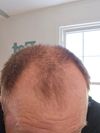
The user is experiencing hair thinning and shedding despite no family history of male pattern baldness. They are considering starting treatments like Minoxidil or finasteride.
The conversation discusses the potential effects of supplements like Tongkat Ali and Horny Goat Weed on hair loss when used with Finasteride and Minoxidil. There is uncertainty about whether these supplements, which may increase testosterone, could counteract the DHT-blocking effects of Finasteride.
A 43-year-old male seeks advice on hair regrowth options, considering treatments like Minoxidil, finasteride, and RU58841, or possibly a hair transplant. He has low testosterone and a family history of balding.
The conversation discusses a user's positive experience with hair loss treatments, specifically transitioning from finasteride and minoxidil to dutasteride and minoxidil, resulting in improved hair regrowth and fewer side effects. The user highlights dutasteride as more effective and with fewer side effects compared to finasteride.
PP405 is a potential hair loss treatment that may reactivate dormant hair follicles, with Phase 3 trials expected. Some users are cautious, suggesting using finasteride in the meantime, while others are skeptical about PP405's effectiveness.
Celebrities often use brand names like Propecia for finasteride due to brand recognition, marketing, and potential sponsorships. In contrast, the general public and online communities may use generic names, reflecting differences in cultural and healthcare practices.
The user added Dutasteride to their routine, which reduced hair loss, and is considering reintroducing Pyril at a lower dose of 0.5 ml to save costs. It is suggested that 0.5 ml can still be effective if spread properly.
Dutasteride isn't effectively reducing DHT levels, prompting a switch back to finasteride. The user questions the reliability of their DHT test results due to hair loss concerns.
A 20-year-old male shares his 2.5-month progress using 1mg finasteride, topical minoxidil, tretinoin, dermarolling, and ketoconazole for hair loss, noting slight libido decrease. Users discuss sourcing topical finasteride and request more photos to see the results.
The user reports promising hair regrowth without using finasteride, focusing instead on microneedling, dermarolling, minoxidil, tretinoin, scalp massages, and red light therapy. They emphasize consistency and a healthier, side-effect-free approach.
The user shared progress pictures after one year on finasteride, suggesting it was effective for hair loss. The conversation includes humorous and sarcastic comments about the results and side effects.
A 27-year-old male is using a minoxidil and finasteride spray for hairline recession and is considering other treatments like oral minoxidil, exosomes, PRP, or a hair transplant. Suggestions include microneedling, possibly with tretinoin, while another user suggests the hairline is fine and mentions body dysmorphia.
A person is struggling with hair loss despite using finasteride and minoxidil, considering dutasteride and magnesium supplements. They are advised to be patient, consider a hair transplant, and check for thyroid issues.
AI advancements, like AlphaFold, are speeding up drug discovery for hair loss, promising more effective treatments. Current options like minoxidil and finasteride have limitations, but new developments could improve solutions in 5-10 years.
A user is seeking advice on using a spray containing 0.3% finasteride and 6% minoxidil for hair loss. Another user suggests applying it in the morning to avoid transferring it to pillows and recommends reading a guide for microneedling advice.
A 25-year-old saw no improvement in hair loss after using finasteride for a year and oral minoxidil for six months. Alternatives like dutasteride, microneedling, and topical treatments were suggested, but results vary.
The user shared their journey with hair loss, using minoxidil initially, then adding microneedling and finasteride, and finally undergoing a hair transplant. They expressed regret for not using finasteride earlier due to fear of side effects and found the combination of treatments effective in the end.
People are humorously discussing unconventional and extreme methods of using hair loss treatments like finasteride and minoxidil, including vaping, snorting, and injecting. The conversation is filled with jokes and sarcasm about these methods.
The conversation humorously discusses the unfairness of hair loss, highlighting various treatments like finasteride, minoxidil, red light therapy, and experimental drugs, while contrasting with people who have great hair despite unhealthy lifestyles. The original poster mentions experiencing side effects from switching to oral finasteride.
A humorous discussion on hair loss, suggesting girlfriend ASMR might counteract finasteride's effects, with a proposed experiment involving finasteride, ASMR, and control groups. Participants joke about evolutionary theories, ASMR, and the effects of DHT on balding.
A user experienced positive hair regrowth using finasteride, minoxidil, and dermarolling. Another user reported nipple soreness from finasteride, suggesting dosage adjustments to manage side effects.
A user is worried about hair loss despite using finasteride, oral minoxidil, and keto shampoo for two years and is considering switching to dutasteride. Responses suggest patience, lifestyle changes, or trying additional treatments like microneedling.
The user reported noticeable hair regrowth after using dutasteride 0.5 mg, oral minoxidil 2.5 mg daily, and ketoconazole shampoo weekly for six months. They are considering adding RU58841 for further improvement.
Hair restoration treatments like finasteride, minoxidil, dutasteride, and hair transplants can greatly enhance self-image and dating life. Opinions differ on whether to embrace baldness or pursue treatments for maintaining hair.
The conversation discusses the use of oral minoxidil for hair loss, with some users suggesting combining it with finasteride for better results. Opinions vary on the effectiveness of minoxidil alone, especially for younger individuals, while others emphasize the importance of finasteride in treating male pattern baldness.
People are discussing JXL-069 (PP405) for hair loss, with some experimenting with a 0.05% topical gel. Concerns about safety and efficacy persist due to limited testing and lack of official approval.
A user diagnosed with lymphoma is advised to stop finasteride during chemotherapy, with suggestions to consider treatments like Dutasteride and Minoxidil post-recovery. The focus is on prioritizing health over hair loss, with encouragement and advice from others who have experienced similar situations.
A 27-year-old male has been using oral minoxidil and topical finasteride for 3 months, noticing fuller, thicker hair with no side effects. Users discuss the effectiveness and side effects of oral versus topical treatments, with some recommending higher doses or additional treatments like topical minoxidil.
The user started finasteride early for hair loss but saw no improvement, feeling hopeless despite adding dutasteride. Others suggest trying minoxidil, micro-needling, or considering blood flow issues, while some share similar struggles or suggest acceptance.
The user switched to dutasteride and oral minoxidil in January 2025 after previous treatments with minoxidil and finasteride became less effective. They report significant hair regrowth progress in three months with no side effects.