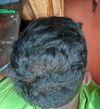
Hair loss progress after 12 months using minoxidil, finasteride, and microneedling. Goal is to maintain and improve hair until old enough for hair transplant.
A 22-year-old shared their hair loss journey, starting with homeopathic treatments and later using Minoxidil and Finasteride, seeing some regrowth. They are currently on oral Finasteride, PRP treatments, and saw palmetto serum, considering reintroducing Minoxidil or switching to Dutasteride for better results.
A 21-year-old is experiencing hairline recession and is using finasteride, saw palmetto, gelatin, topical minoxidil with retinoic acid, derma stamping, and scalp massage to address it. Suggestions include adding oral minoxidil, vitamin D3 with K2, and maintaining the current regimen for a year.
A 38-year-old male with stress-induced Telogen Effluvium is seeking advice on using oral finasteride and minoxidil, as well as vitamin regimens, for hair loss. He is considering these treatments after a dermatologist ruled out male pattern baldness and prescribed ketoconazole shampoo.
A 17-year-old in the UK seeks advice on mitigating hair loss until finasteride becomes an option at 19. Recommendations include using Minoxidil and considering other treatments like specific shampoos and dietary changes.
The user managed hair loss with RU58841 and finasteride but is now experiencing graying hair, possibly due to stopping oral minoxidil. Many responses suggest embracing or dyeing gray hair, emphasizing that having gray hair is preferable to balding.
The conversation is about people with advanced hair loss (Norwood 6 or 7) who have seen significant hair regrowth using treatments like finasteride, minoxidil, microneedling, and RU58841. Nine cases were collected to motivate others to try these treatments despite advanced hair loss.
Finasteride, Minoxidil, Bioneer CosmeRNA, Technoderma, Kintor, Hope, Breezula, and Follicum treatments showed increases in hair count, with Technoderma showing the highest increase at 24.3 hairs/cm². Amplifica has not yet published results.
Minoxidil and finasteride can help regrow hair, especially in thinning areas, but restoring completely receded temples is challenging and may require a hair transplant. Some users report success with these treatments, particularly when combined with microneedling.
A user shared a 17-month update on their hair loss treatment, which included a hair transplant of 2300 grafts, using a topical solution of minoxidil and finasteride, a laser cap, and ketoconazole shampoo. They are considering another transplant and seeking honest feedback on their progress, while others share their own experiences and advice on hair loss treatments.
The user is trying alternative hair loss treatments like caffeine shampoo and dermarolling before considering minoxidil or other advanced treatments, and has noticed an increase in vellus hairs and some strong terminal hairs after two months of daily caffeine shampoo use. They plan to continue the treatment and document progress.
A 21-year-old experiencing aggressive hair shedding is considering treatments like Propecia (finasteride) and Rogaine (minoxidil) to slow or stop hair loss. Recommendations include using these treatments along with Nizoral Shampoo, hair vitamins, and a derma roller to maintain and potentially regrow hair.
The user noticed small circular hairless spots after a buzz cut and has been using finasteride, dutasteride, and oral minoxidil for hair loss. They are experiencing continuous shedding and thinning, and it is suggested they consult a dermatologist for a scalp examination and possible biopsy to determine if it's alopecia areata or androgenetic alopecia.
A 31-year-old woman experienced crown hair growth using a topical solution of finasteride (0.1%) and minoxidil (5%) over five months. She applies the solution once daily, improved her fitness, and takes vitamin D and magnesium supplements.
An 18-year-old experiencing diffuse hair thinning since 8th grade seeks advice. They are concerned about having less hair than their 52-year-old father and are looking for treatment options.
User regrew lost hair using microneedling, minoxidil, finasteride, Nizoral, fish oil, and collagen peptide. Progress was slow but constant, and patience was important.
A 23-year-old has been using minoxidil for 1.6 years, finasteride for 1 year, and ketoconazole shampoo, along with biotin, to treat hair loss. They noticed baby hairs and a fuller hairline but seek further improvement, especially in the temple areas, and are considering adding rosemary oil and a dermastamp.
A 21-year-old experiencing significant hair loss is considering a hair transplant and has been using finasteride and biotin, with plans to switch to dutasteride and oral minoxidil for better regrowth. They are seeking advice on the number of grafts needed, with suggestions ranging from 2,500 to 6,000, and are exploring different clinics and treatment options.
A 19-year-old has been using finasteride, minoxidil, and microneedling to treat hair loss with no regrowth, feeling mentally affected by it. Advice given includes continuing treatment, considering a hair transplant, addressing potential vitamin deficiencies, and possibly switching to dutasteride or adding ketoconazole shampoo.
User discusses hair loss treatments, including fluridil, minoxidil, tretinoin, melatonin, stemoxydine, ketoconazole, and piroctone olamine. They suggest that shedding healthy terminal hairs may be bad, while shedding weaker hairs could indicate a beneficial treatment effect.
The conversation discusses side effects of finasteride, including low libido and potential gynecomastia, with some users mocking fear-mongering while others share personal experiences. The original poster mentions using finasteride, peppermint oil, coconut oil, olive oil, and Pennzoil, and considers saw palmetto as an alternative.
A 20-year-old female with PCOS is experiencing hair loss and excessive facial hair. She is using ketoconazole and caffeine shampoos, microneedling, and considering anti-androgens like finasteride, but is cautious about minoxidil due to facial hair concerns.
A 25-year-old shared their hair regrowth journey using topical minoxidil, then switching to oral minoxidil and finasteride, experiencing significant improvement but planning a future hair transplant. Other users discussed their experiences with treatments like dutasteride, with some expressing concerns about side effects and treatment effectiveness.
A man shared his hair regrowth progress from 2020 to 2024 using finasteride, minoxidil, microneedling, and a good hair care routine. People reacted positively, asking about specific treatments and tools used, and he received compliments on his natural-looking results.
The conversation discusses hair regrowth, with the user using finasteride (1 mg), topical minoxidil, and microneedling. A reply suggests the user's hair appears fuller and healthier.
A 21-year-old male is experiencing potential hair regrowth after using minoxidil, finasteride, microneedling, and ketoconazole shampoo. Users are optimistic about his progress, advising patience and consistency.
42-year-old used finasteride, minoxidil, dermapen, and nizoral for 12 months, achieving significant hair growth. Consistency and patience are important for success.
A 39 year old male who has been balding since 23 and is intolerant to finasteride, using microneedling with Derminator 2 once per week and minoxidil foam twice daily in an effort to increase thickness of vellus hairs on the crown and maintain hairline.
A 31-year-old male experienced hair thinning and initially used topical minoxidil, then switched to finasteride, which caused significant shedding. He later adopted a regimen of dutasteride, oral minoxidil, and anti-dandruff shampoo, leading to positive hair growth results, though he noted increased body hair as a side effect of oral minoxidil.
A 22-year-old is concerned about a receding hairline and has been using minoxidil for 5 months without seeing new growth. Suggestions include continuing minoxidil for up to a year, considering finasteride, and possibly a hair transplant.