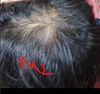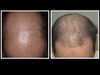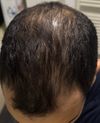
The conversation is about someone's hair regrowth after 1.5 months using natural treatments, specifically a dermaroller and a mix of peppermint, pumpkin seed, and rosemary oils. A reply congratulates them and encourages them to maintain their routine.
The conversation is about hair regrowth progress using topical finasteride and minoxidil twice daily, with occasional microneedling. The user also uses Minoxidilmax and WOW Skin Science Apple Cider Vinegar Shampoo.
User experienced hair growth after 11 months using 15% Minoxidil, topical and oral Finasteride, and Ketoconazole Shampoo. Hair remained full even while using steroids and SARMs.
Hair loss treatments, such as minoxidil, finasteride, microneedling, ketoconazole shampoo and vitamins D3 and Omega 3, which appear to have been successful in regrowing hair on a user's temples that had been slick bald for 8-9 years.
A 21-year-old male is using finasteride, minoxidil, and had a hair transplant to address lifelong thin, diffuse hair loss. Progress pictures show changes over two months.
The user shared their 6-month hair loss progress using topical minoxidil, oral minoxidil, finasteride, and microneedling. They noted thicker eyebrows and eyelashes but also increased body hair.
If treatments like finasteride, minoxidil, PRP, microneedling, and exosomes fail, opinions differ on using a hair system or shaving. Some choose shaving for simplicity, while others consider hair systems despite maintenance concerns.
A 22-year-old is experiencing diffuse hair thinning all over the head, losing about 300 long hairs daily, despite having good genetics and vitamin levels. They are seeking advice on whether this pattern is normal and considering consulting a dermatologist.
User experienced hair regrowth using Dutasteride, Minoxidil, and dermarolling. Others praised progress and discussed feeling stronger at 40 than in their 20s.
The user has been using finasteride and minoxidil for nearly three years, maintaining and possibly regrowing hair despite noticing shedding and miniaturized hairs. They are considering adding another treatment due to concerns about ongoing hair loss.
The user has been using a hair loss treatment regimen including Minokem N, topical finasteride+minoxidil, and oral minoxidil for three months and has seen progress. However, they've also noticed an increase in grey hair, particularly on the sides of their head, and are seeking advice.
A 28-year-old woman with genetic hair loss has tried various treatments, including oral minoxidil, finasteride, dutasteride, vitamins, ketoconazole shampoo, exosome needling, and hair extensions. She plans to pause treatments for pregnancy and is concerned about potential hair loss during that time.
A 17-year-old experiencing hair thinning uses dermarolling with rosemary oil and plans to start finasteride at 18. A reply suggests using finasteride and minoxidil due to high DHT sensitivity.
Hair loss discussion with a focus on a single resilient hair, jokingly called "chad hair," that remains despite hairline receding. Some users suggest microneedling and hair follicle cloning as potential treatments.
The user reports hair regrowth after 15 weeks using oral finasteride, topical minoxidil, oral pumpkin seed oil, and ketoconazole shampoo. Images show progress before and after treatment.
User started balding at 16 and began treatment at 18, using RU58841, minoxidil, derma rolling, and peptides. After 6 months, they experienced significant hair regrowth and are happy with the results.
The user uses Toppik hair fibers to thicken their hairline and has switched from finasteride to dutasteride and oral minoxidil, noticing more hair thickening. Most responses indicate the hair fibers are not noticeable, and many suggest the user doesn't need them as their hair looks natural and good for their age.
A 25-year-old shared their hair regrowth journey using topical minoxidil, then switching to oral minoxidil and finasteride, experiencing significant improvement but planning a future hair transplant. Other users discussed their experiences with treatments like dutasteride, with some expressing concerns about side effects and treatment effectiveness.
The conversation is about someone's hair improvement after 5.5 years on finasteride, with various users commenting on the results and discussing their own experiences with hair loss treatments. Some users can't see a difference, while others inquire about the dosage used.
A 20-year-old experiencing hair loss since age 16 is using finasteride and minoxidil and is considering future hair transplants. Discussions include the potential for multiple transplants, the use of body hair for coverage, and the importance of treatments like dutasteride and scalp micropigmentation for maintaining hair density.
A 20-year-old male experienced bald spots and used minoxidil, which led to hair regrowth but also premature graying. He seeks advice on reversing graying through diet or supplements like catalase, while another user suggests vitamin D3 and sesame for hair color.
A 25-year-old male is using topical minoxidil and plans to start finasteride and a keratin supplement to combat hair loss. He will document his progress with photos and track any side effects.
The user shared progress pictures showing hair growth after six months of using topical minoxidil twice daily, finasteride once daily, derma rolling every four days, and initially taking zinc and vitamin D. They also used scalp massaging techniques with minoxidil.
The user experienced significant hairline improvement after 2 months using 1 mg Finasteride and topical Minoxidil, with only initial shedding as a side effect. The progress is notable, with the user returning from near Norwood 2 to Norwood 1, and they use Rogaine for topical application.
The person is experiencing hair regrowth with some hairs falling out after reaching 1.5-3 inches and others growing slowly; they are using finasteride, minoxidil, rosemary-mint oil mask, Nirozal, egg mask, and microneedling as treatments. They stopped using rosemary water due to hair darkening.
MCL-1 is important for hair follicle stem cell survival, but its impact on human hair regrowth is unclear. Minoxidil and finasteride are the main treatments, with doubts about new discoveries leading to effective human solutions soon.
A 31-year-old male experiencing hair thinning since age 25-26 uses minoxidil, finasteride, a red laser cap, and microneedling to promote hair growth. Users suggest reducing microneedling frequency to once a week to avoid damaging hair follicles.
A 31-year-old woman experienced crown hair growth using a topical solution of finasteride (0.1%) and minoxidil (5%) over five months. She applies the solution once daily, improved her fitness, and takes vitamin D and magnesium supplements.
Hair follicles can potentially produce more hair strands with treatments like Minoxidil and finasteride. Notable improvements in hair density are possible, but achieving multiple strands per follicle is uncertain.