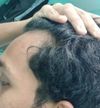
A 26-year-old is experiencing hair loss despite using minoxidil and dutasteride. Suggestions include shaving his head, trying oral minoxidil, or considering a hair transplant.
A 25-year-old is frustrated with hair loss and inability to grow facial hair despite using oral finasteride and minoxidil for over a year. Suggestions include trying topical treatments, considering a hair system, or seeking professional help for mental health.
A 16 year old's experience with using pyrilutamide to treat hair loss, and the potential side effects of adding tretinoin to minoxidil and finasteride treatments.
Hair loss treatments like minoxidil, finasteride, dutasteride, and RU58841. Users stress early prevention and discuss challenges with different hair loss patterns.
A 43-year-old male has been using oral minoxidil, finasteride, and dutasteride for hair loss, with some stabilization and thin hair growth but no significant cosmetic improvement. He is considering increasing microneedling frequency and exploring other options, as he is concerned about the lack of terminal hair growth.
The conversation is about obtaining and the effectiveness of Olumiant for treating hair loss, specifically for someone with early-stage alopeciaareata concerned about hair loss around the face. The user is seeking clarity on how to get a prescription for Olumiant.
The user experienced significant hair regrowth over eight months using topical minoxidil twice daily and 1mg oral finasteride daily. They also mentioned using a DHT blocker to aid regrowth.
The user has been using a hair loss treatment regimen including Minokem N, topical finasteride+minoxidil, and oral minoxidil for three months and has seen progress. However, they've also noticed an increase in grey hair, particularly on the sides of their head, and are seeking advice.
The post discusses a user's hair loss treatment routine, which includes daily 1mg finasteride, twice daily topical rogaine, biotin vitamin intake, and a new microneedling regimen of 0.5mm three times a week. The user is turning 24 next month.
A 27-year-old male with diffuse hair loss, including the donor area, did not respond to finasteride, dutasteride, or minoxidil. He suspects his hair loss may be linked to a mild connective tissue disorder, possibly affecting the structural support of hair follicles, rather than being purely hormonal.
A 22-year-old is experiencing worsening hair loss despite using a doctor-prescribed serum and shampoo. They are seeking advice on additional treatments like Minoxidil, finasteride, or RU58841.
The user is experiencing severe hair loss and color change despite low testosterone levels and healthy lifestyle changes. They have tried ketoconazole shampoo and consulted a dermatologist, who found no scalp issues but suggested using Toppik for coverage.
A 23-year-old male is experiencing rapid hair thinning and receding hairline, feeling emotionally drained. He has tried GFC, PRP, ketoconazole shampoo, and supplements without improvement and is considering minoxidil, finasteride, and possibly a hair transplant.
Finasteride and minoxidil are recommended as first-line treatments for hair loss, with dutasteride and oral minoxidil as stronger options if needed. Hair transplants should only be considered after achieving stability with medication, and non-surgical options are suggested if medications are ineffective.
A 22-year-old experiencing hair loss and persistent scalp itchiness since age 16 has tried various treatments, including finasteride, ketoconazole shampoo, and dietary changes, with no success. Suggestions include consulting a knowledgeable dermatologist, considering seborrheic dermatitis, and trying different shampoos like Selsun Blue or those with selenium sulfide.
A 26-year-old man with diffuse alopecia is using electric scalp massage, dermastamp, and multivitamins for treatment but is intolerant to finasteride. A dermatologist recommended PRP and mesotherapy with exosomes and dutasteride.
A 21-year-old male experiencing hair loss again despite using topical minoxidil (5%) for a year, possibly due to stress-related telogen effluvium. He is advised to continue using minoxidil and consider stress-reduction strategies while consulting a doctor for further evaluation.
A 22 year old man who is experiencing hair loss, thinning and dry scalp, has tried treatments such as finasteride and minoxidil, and other users sharing their experiences with similar issues.
A 34-year-old woman is experiencing diffuse hair loss and irregular periods, possibly due to long-term spironolactone use. She is considering minoxidil and finasteride for treatment and seeking medical advice for androgenic alopecia and hormonal imbalances.
The user is using oral minoxidil, ghk-cu, and HGH for hair regrowth, noticing small vellus hairs on the crown. They avoid traditional DHT blockers like finasteride due to side effects, despite skepticism from others about the effectiveness of ghk-cu.
A 22-year-old male has been using oral minoxidil, oral finasteride, microneedling, and ketoconazole for hair loss treatment over two years, experiencing some regrowth and maintenance. He reports side effects from finasteride, including erectile dysfunction, and slight libido impact from minoxidil.
Three months into using Minoxidil, finasteride, dermarolling, tretinoin, and saw palmetto shampoo, the user is seeing baby hairs on their hairline and is hopeful they will thicken. Another user reports that their own baby hairs have been getting thicker and longer over time.
A 19-year-old male experienced hair shedding after one year on dutasteride and is considering adding topical minoxidil despite scalp itching. Users suggest continuing dutasteride, maintaining a consistent hair routine, and possibly increasing minoxidil dosage.
A 22-year-old using finasteride and 2% ketoconazole shampoo for hair loss sees mixed results after three months, with some improvement at the crown but worsening at the temples. Suggestions include waiting 6-12 months, considering dutasteride, adding minoxidil, microneedling, caffeine tonic, and retinol.
Finasteride is effective for DHT/AR-driven hair loss but not for chromosome 20-driven cases, where treatments like minoxidil, prostaglandin analogs, and low-level laser therapy may be more beneficial. Genetic testing can help determine the underlying cause of hair loss to tailor treatment effectively.
A 35-year-old male experiences rapid hair loss on his head and body despite normal test results for testosterone, thyroid, and vitamins. He previously used topical minoxidil and retinol, and doctors have been consulted without finding a clear cause.
A woman with AGA and CTE has been taking multiple hair loss treatments including spironolactone, dutasteride, finasteride, bicalutamide, birth control, and minoxidil without success. Steroid injections, however, dramatically and immediately stopped her hair loss, though the effect lasts less than a month.
The user is experiencing worsening hair loss despite using oral finasteride, oral minoxidil, microneedling, keto shampoo, and supplements for seven months. They are concerned about continued shedding and lack of regrowth, and are considering adding topical minoxidil to their routine.
A 39-year-old experienced hair regrowth on his temples after switching from finasteride to topical RU58841 combined with 5% minoxidil. He also underwent stem cell treatment and noticed improvements, attributing the regrowth mainly to the change in treatment.