Long-term finasteride users report maintaining hair and experiencing regrowth, with some using it for over 20 years. Combining finasteride with minoxidil or hair transplants can improve results.
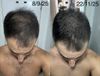
A 31-year-old man shared his hair growth progress from July 2024 to March 2026 using oral finasteride (1mg) and minoxidil (2.5mg), with no significant side effects. He is considering switching treatments but is advised to continue with the current regimen due to its effectiveness.
A user applied minoxidil to their pubic hair for 3 months, resulting in hair growth over 4 inches, and is considering using it for a scalp hair transplant. They plan to continue the treatment despite their wife's disapproval.
A user shared progress pictures showing improved hair fullness after 75 days using 2.5mg oral minoxidil daily, 1mg oral finasteride every other day, a 1.5mm dermastamp weekly, and daily scalp massages. They report seeing early positive results.
PP405 is a potential hair loss treatment that may work by blocking signals that cause hair cells to stop growing, requiring daily application for effectiveness. It could serve as an alternative to minoxidil and finasteride, but it is not yet available on the market and may take several years to be released.
The conversation is about using Maxogen-X, a topical solution containing minoxidil, finasteride, tretinoin, and azelaic acid, for hair loss treatment. Users discuss their experiences, including initial shedding and the hope for thicker hair, while sharing progress updates.
Amplifica's new injectable treatment for androgenetic alopecia shows a 15% increase in hair thickness and coarseness in 60 days. The treatment is in early human trials and offers a promising alternative to hormone-related hair loss treatments.
The user shared progress pictures after using Minoxidil and oral Finasteride for eight months to treat hair loss. They experienced significant hair regrowth, and the discussion includes various opinions on the necessity and effectiveness of these treatments.
Minoxidil was applied to a single miniaturized hair follicle over four months, resulting in less miniaturization but not yet terminal growth. The user used a 5% minoxidil solution, specifically the Regaine brand, and observed changes using a handheld WiFi microscope.
The user has been using a daily capsule containing 1mg finasteride and 2.5mg minoxidil for 11 months, with noticeable regrowth on the crown but minimal improvement on the hairline. They experienced no significant side effects and plan to continue the treatment long-term.
To increase hair density appearance, options include using hair fibers, volume powders, scalp micropigmentation, and a combination of sea salt and holding sprays. Tape-in extensions and clip-in fringes are also considered, but cost and maintenance are concerns.
KX-826 Max combines KX-826, Kopyrrol, and Kopexil as a potential alternative to minoxidil and finasteride for hair loss, but users express skepticism about its effectiveness and high cost. Some users believe traditional treatments like minoxidil, finasteride, and others are more reliable.
A new hair loss treatment, PP405, showed promising Phase 2a results with 31% of patients experiencing over 20% hair density increase without systemic absorption, avoiding hormonal side effects. The treatment is expected to be expensive, with Phase 3 trials starting mid-2026, and there is skepticism about the data's strength.
OP used minoxidil for 15 months and pyrilutamide for 46 days, achieving desired results without side effects. Users discussed alternatives like dutasteride and finasteride, with concerns about side effects like erectile dysfunction.
The user experienced thicker hair after 4.5 months using oral finasteride, oral and topical minoxidil, biotin, magnesium, zinc, vitamin D, iodine, and head massages. They also noticed improved muscle gains at the gym, possibly linked to finasteride.
PP405 shows promise in treating severe hair loss, with 31% of users experiencing over 20% hair density increase in four weeks, faster than minoxidil and finasteride. Some users are skeptical about the results' significance and long-term efficacy.
DLQ01, a prostaglandin F2α analog, shows promise for hair growth by directly stimulating PGE2/PGF receptors without needing conversion, and can be combined with minoxidil and retinoids like tretinoin for enhanced effectiveness. Minoxidil's efficacy may be reduced by COX-1 inhibitors, but using prostaglandin analogs like Latanoprost or Bimatoprost can help maintain its effectiveness.
GT20029 and PP405 are discussed as potential alternatives or complements to finasteride for hair loss treatment. GT20029 is entering phase 3 trials, while PP405 is seen as promising for regrowing hair and possibly eliminating the need for other treatments.
The user shared progress pictures showing hair improvement over 7-8 months using topical finasteride 0.1% and minoxidil 0.5%. Others complimented the results and inquired about the source of the treatments.
A user successfully regrew hair using oral finasteride (1mg daily for 3 years) and topical minoxidil (5% twice daily for 15 years) with no side effects. They highlighted the importance of consistency and patience, crediting finasteride for significant hair improvement.
Amplifica is testing a compound called AMP-303 for hair loss, but it's not Scube3 or osteopontin. The timing for the results from the clinical trial is unknown.
Finasteride can help extend the hair growth cycle and improve hair density, allowing for long hair despite initial shedding. Periodic shedding may occur, but it typically does not affect healthy hair significantly.
Follicum discovered that their drug FOL-005 increased hair count by 12 hairs per cm2 in patients with less than 255 hairs per cm2 and is planning a phase 2b trial. They are currently fundraising for the trial, and the drug may also be effective for women.
Significant hair regrowth was achieved using oral finasteride and topical minoxidil over five months, with noticeable improvements in hairline and temple areas. The user experienced minimal side effects, mainly increased eyebrow and eyelash growth, and attributes additional physical improvements to weight loss and exercise.
PP405 shows promise in hair regrowth, potentially outperforming existing treatments like finasteride and minoxidil, with significant results in just four weeks. The treatment is still in early stages, with further trials needed to determine its long-term effectiveness and optimal dosage.
A 22-year-old shared his 15-month progress using finasteride and 12-month progress with minoxidil for hair loss, noting improved thickness but minimal hairline change. He experienced initial shedding with minoxidil but no side effects from finasteride, and he advises patience and consistency for results.
PP405 is a new hair growth stimulant different from Minoxidil, currently in phase 2 trials. Users discuss its potential, safety concerns, and the long wait before it might be available.