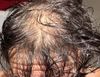
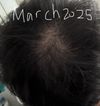
The user cannot handle Minoxidil and is looking for an alternative to dilute topical finasteride. They are considering using Alpecin liquid as a solution.
The user is using dutasteride, oral minoxidil, and a topical compound with minoxidil, latanoprost, finasteride, and biotin. They are considering stopping the topical minoxidil due to lack of noticeable results on the head but are concerned about potential hair loss or shedding.
A 33-year-old male is documenting his hair regrowth progress using minoxidil, red light therapy, copper peptides, and micro-needling, with noticeable improvement in hair thickness and coverage. He plans to add a topical finasteride/minoxidil spray and aims for a shadow on his scalp rather than a full head of hair.
Minoxidil is effective for hair growth but may not provide lasting results without addressing DHT, which finasteride or dutasteride can help with. Users report mixed experiences with side effects from these treatments, including acne and itching from minoxidil.
The user regrets not using medication after a failed hair transplant and is now using a combination of minoxidil, finasteride, derma rolling, oils, and ketoconazole shampoo to try to improve hair regrowth. They are seeking feedback on progress and considering further treatment options.
The user experienced initial hair regrowth with 1 mg finasteride and 5 mg minoxidil but began shedding after 4-5 months, which others suggest is common and may lead to thicker regrowth. Users recommend patience, as results can take up to 12-24 months, and suggest considering specialized clinics for hairline design if unsatisfied with medication alone.
The user experienced increased hair loss after increasing their minoxidil dose to 5mg and is considering switching to dutasteride while on testosterone replacement therapy. They are also using finasteride, microneedling, and considering adding Nizoral and caffeine serum to their regimen.
Kintor edited their Amazon page, removing claims that KX-826 provides "real" visible results from clinical experiments. The discussion includes treatments like Minoxidil, finasteride, and RU58841.
The conversation is about hair loss treatments, specifically discussing the effectiveness of Red Ginseng Extract in promoting hair growth. Other treatments mentioned include Minoxidil, finasteride, and RU58841.
A 26-year-old male has been using 1 mg finasteride daily for two years, which has stabilized his hair loss but not fully stopped thinning. He is considering adding oral minoxidil but is concerned about potential cardiovascular side effects.
User 1: Female, 24, prescribed 2.5mg oral minoxidil and 100mg spironolactone, asks about others' experiences. User 2: Male, 32, took oral minoxidil for a year, saw better results at 3.75mg, experienced thicker eyebrows, longer eyelashes, and longer body hair.
The user is using 0.5mg Dutasteride, 5mg oral Minoxidil, and topical Minoxidil daily for hair loss treatment. They report increased body hair and some improvement in hairline density and length.
The user is using a combination of oral Dutasteride, topical Minoxidil, Ketoconazole shampoo, and other supplements for hair regrowth, with plans to start microneedling. Some users see progress and suggest microneedling to enhance results, while others note that significant changes may take more time.
The user is using 2.5mg oral minoxidil and Nizoral shampoo for hair regrowth, noticing some improvement. They are considering increasing the dosage and exploring alternatives to topical minoxidil/finasteride due to concerns about toxicity to cats.
A 38-year-old man is using topical and oral Minoxidil, DHT blocker shampoo, and microneedling for hair regrowth, with plans to add Finasteride later. Many users suggest starting Finasteride or Dutasteride immediately to address the root cause of hair loss, while some express concerns about potential side effects.
Oral minoxidil may cause facial puffiness or aging in some users, but results vary. Many users experience positive hair growth and stress the importance of skincare and a healthy lifestyle.
A 23-year-old male has been using 1.25 mg generic finasteride daily for 8 months and is seeing significant hair regrowth, particularly in the crown area. He is considering adding minoxidil to his regimen but is unsure if the improvement is due to the medication or just longer hair.
The user used Kirkland brand minoxidil foam twice daily for a year and noticed initial progress, but feels they might be losing progress or experiencing shedding. They are considering starting finasteride but prefer to avoid it and are seeking hair styling advice.
PG solvent is considered superior to K&B solvent for RU58841 and Pyralutamide due to cost and effectiveness. The user questions why they should use K&B when PG offers more benefits.
The conversation is about the effectiveness of Ultrax Labs Hair Surge Caffeine Hair Loss Hair Growth Stimulating Shampoo, with the original poster questioning if the positive reviews are genuine or not. No specific treatments were discussed.
The conversation discusses the long-term results of using finasteride, RU58841, and minoxidil for hair loss, with some skepticism about the truthfulness of the results and a reference to a scam involving RU58841.
A 25-year-old user shared progress after two months of using 5% minoxidil nightly on their scalp and beard. Many users suggest combining minoxidil with finasteride or dutasteride to prevent hair loss due to DHT, while others express concerns about potential side effects of these DHT blockers.
The user experienced significant hair regrowth and improved hair health after 5 months of using 0.5mg finasteride and 2.5mg minoxidil daily, with only minor side effects like reduced libido. The user is optimistic about achieving over 90% regrowth and may not need a hair transplant.
The GT20029 tincture, a topical androgen receptor degrader, showed significant hair growth and good safety in a China Phase II trial for male androgenetic alopecia (AGA), with the 1% dose twice weekly identified as optimal. The company plans to initiate Phase III trials in China and Phase II in the U.S., and the treatment also shows promise for acne.
The user has been using 5% Minoxidil and microneedling for 11 months, showing some regrowth, and is considering adding Finasteride to enhance results. Many suggest adding Finasteride, either orally or topically, to address DHT-related hair loss and improve hair growth.
Rapamycin, finasteride, and minoxidil are discussed as a strategy for hair loss prevention and reversal. Pulsed dosing of rapamycin is suggested to avoid conflicting effects with minoxidil.
Nanoxidil is considered by some as a substitute for Minoxidil, but users report it as ineffective and expensive. Finasteride is recommended as a more effective treatment, often used with Minoxidil, microneedling, and ketoconazole.
A user is using topical dutasteride, topical finasteride, and minoxidil to address a receding hairline and is seeking opinions on their routine. They report seeing vellus hair growth after nearly three months of use.
The user experienced significant hair regrowth using a topical treatment of Minoxidil and Finasteride, despite some brain fog as a side effect. They recommend starting treatment early and suggest topical options to minimize side effects compared to oral treatments.