The conversation is about the potential release of GT20029 on the grey market and concerns about its safety and authenticity. One user advises waiting for the official release by Kintor.
The conversation discusses hair loss treatments, specifically mentioning Minoxidil, finasteride, and RU58841. It also touches on a study involving zinc and L-arginine.
The conversation is about the use and application of CB-03-01-2 (Breezula) for hair loss, including questions about its form, how to apply it, and the duration 10g would last. Specific treatments discussed are Minoxidil, finasteride, and RU58841.
The conclusion of the conversation is that CosmeRna may not be an effective treatment for hair loss compared to topical minoxidil 2%. It is suggested to wait for more reviews before purchasing it.
The user has been using a topical solution of minoxidil 5% and finasteride 0.025% daily, along with dermastamping every two weeks and ketoconazole shampoo twice a week for four months. The treatment is for hair loss.
The user has been using finasteride since September 2018, dermarolling since February 2019, and applying minoxidil once a day. Despite these treatments, they have experienced significant hair loss and are unsure if they should continue.
The conversation is about a person starting treatment with RU58841 for hair loss. They are asked to share progress pictures to show if the treatment is effective.
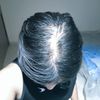
The conversation discusses treating male pattern baldness in a transgender woman using cyproterone acetate, finasteride, and biotin. The original poster shared their experience for others who might be in a similar situation.
The conversation humorously discusses hair loss treatments, mentioning a regime of 1mg oral finasteride, 5% topical finasteride, and 1mg kryptonite. It also references the use of minoxidil for hair regrowth.
The conversation is about a person's hair regrowth after 100 days using finasteride (0.5mg), minoxidil (3mg), and dermarolling, with others noticing improvement and discussing the appearance of the scalp and hairline.
The user is seeking a quicker-drying carrier for RU58841 and Minoxidil to improve adherence to their hair loss treatment routine. They want to apply it after a morning shower without affecting their hair's appearance.
The user experienced significant hair regrowth using finasteride, minoxidil, and microneedling, with plans to continue treatment. They are pleased with the results, noting increased hair density and a restored hairline.
FOL-005 claims to be more effective than Minoxidil and Finasteride but lacks anti-DHT properties, leading to potential reduced efficacy over time. Concerns are raised about misleading marketing and the safety of alternative treatments like Pyrilutamide and Clascoterone.
The user is using Minoxidil, Finasteride, microneedling, and plans to add low-level laser therapy (LLLT) to treat hair thinning. They shared progress pictures showing results from May 8th to June 7th.
A user shared their progress using liquid minoxidil for hair regrowth and plans to switch to foam minoxidil due to flaking. They asked if the foam version would maintain their results and mentioned considering adding finasteride and a derma pen soon.
User shared 2-year hair loss progress using finasteride 3 times a week and 5 mg oral minoxidil daily. Another user praised the results as a complete recovery.
A user is using a topical treatment called Formula 82f, which contains finasteride, minoxidil, and a steroid, along with Ketoconazole shampoo for hair loss. They are considering whether to switch to oral medication for better results.
A satirical post jokes about a user meeting a doctor at the zoo who praises finasteride (Fin) for hair loss treatment, claiming it has a low side-effect profile and is effective. Replies include humorous disbelief, comparisons to other risks, and some personal accounts of side effects from Fin.
The user has been using 5% minoxidil foam for 5 months with noticeable results and is considering adding finasteride. Suggestions include adding finasteride, using hair fiber spray, and trying microneedling for better results.
A 42-year-old user shared positive results from using oral and topical Minoxidil, Finasteride, and weekly dermarolling for hair regrowth over three months. The community responded positively, noting significant progress and discussing treatment details and concerns.
An 18-year-old noticed significant hairline recession and is concerned about further hair loss. They plan to improve their lifestyle and are advised to use finasteride and minoxidil and consult a dermatologist.
A 29-year-old male experienced hair regrowth using minoxidil 5% foam and KX826 after stopping finasteride due to side effects. He applies both treatments once daily and reports no side effects from the current regimen.
The conversation discusses aggressive hair loss treatments, including finasteride, dutasteride, minoxidil, topical cetirizine, and experimental options like Estrogel, oh-flutamide, and RU58841. Users share experiences and suggest trying oral minoxidil and el cranell, noting the complexity and challenges of treating hair loss.
The user has seen positive results after over six months using 0.05% topical finasteride, 5% minoxidil, 50mg/ml RU58841, weekly needling, and twice-weekly ketoconazole shampoo for hair loss. They express gratitude for the support from an online community and are open to questions about their treatment.
The conversation is about someone's hair growth progress after two months of daily treatment with 1 mg finasteride and 1.25 mg oral minoxidil. The replies are positive and encouraging.
The user shared progress pictures showing hair regrowth over 4.5 months using 1.25mg finasteride daily and 2.5mg oral minoxidil daily, with no side effects reported. Commenters complimented the early treatment initiation and positive results.
A potential new hair loss treatment, HMI-115, and the possibility of discontinuing finasteride in favor of it. The conversation also includes discussion about other benefits of using finasteride.
The conversation discusses the failure of Phase 3 trials for the hair loss treatment KX-826, with no significant difference found between the drug and placebo. Some users express disappointment and skepticism, while others discuss alternative treatments like Minoxidil, finasteride, and RU58841.