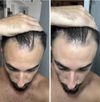
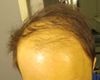
RU58841 was the only treatment that slowed hair loss and reduced irritation for a DUPA sufferer after trying finasteride, minoxidil, and dutasteride with no success. The user continues using 6mg oral minoxidil, 0.5mg dutasteride, and an 8% RU58841 solution.
The conversation discusses hair loss treatments for a woman experiencing androgenetic alopecia and seborrheic dermatitis, with suggestions including low-dose oral minoxidil, dutasteride, and hormone replacement therapy. The user is seeking advice due to intolerance to spironolactone and topical minoxidil, and concerns about low testosterone and DHT levels.
The user has seen marginal improvement in hair loss after increasing finasteride from 1 mg three times a week to daily and using minoxidil inconsistently. They plan to start microneedling and are considering using it on both their scalp and face.
A 30-year-old is experiencing positive hair growth results using finasteride daily, minoxidil twice daily, and dermastamping/dermarolling biweekly from July 2025 to January 2026. Friends and family have noticed significant improvement.
User shared 16-month progress using finasteride 1 mg/day and minoxidil 5% solution once/day, noting significant regrowth, especially in temporal peaks. Users discussed shedding, side effects, and positive feedback from others.
A 21-year-old experienced erectile dysfunction after using finasteride and consuming multiple drugs, including MDMA, LSD, and weed. He plans to quit finasteride and weed, improve his habits, and consider alternative treatments like mesotherapy with dutasteride.
The conversation is about a person's 6-week progress using 2.5 mg oral minoxidil, 0.5 mg dutasteride, weekly derma stamping at 1.5 mm, and rosemary oil for hair loss, with some initial shedding but no side effects. They are optimistic about future results.
A 24-year-old switched from finasteride to dutasteride and increased oral minoxidil from 5 mg to 7.5 mg, noticing increased hair shedding. Users discuss the safety and effects of high-dose minoxidil, with some suggesting the shedding may be temporary due to dosage changes.
The user started using minoxidil foam daily after two years on finasteride and is managing seborrheic dermatitis with antifungal shampoo. They seek advice on moisturizing products that won't worsen their condition, with suggestions including gentle shampoos and light ceramide serums.
The user experienced improved hair density using dutasteride and oral minoxidil compared to finasteride and minoxidil, with no significant side effects. The user took 2.5 mg of minoxidil and 0.5 mg of dutasteride daily.
The user has been using oral finasteride and topical minoxidil for over three years without regrowth, despite reduced hair loss. They are hesitant to try oral minoxidil and dutasteride due to potential side effects and cost, and have not found success with tretinoin or microneedling.
The conversation is about a user's positive progress with hair regrowth using oral dutasteride and topical Minoxidil 5% over seven months. The user reports no side effects and started experiencing significant hair loss in their early 20s.
The conversation discusses whether M44 had a hair transplant or uses finasteride, minoxidil, and dutasteride. Opinions vary, with some suggesting a transplant and others noting no clear signs of hair loss.
User discusses using topical Minoxidil twice daily for 4 months, then switching to once daily with oral Dutasteride and Minoxidil. They also mention microneedling monthly and are unsure if oral Minoxidil is better than topical.
Minoxidil 0.5% MMP® showed better results in parietal-vertex regions for less advanced female pattern hair loss compared to Minoxidil 5%. MMP® with Minoxidil can improve the quality of life for these patients.
A user shared their positive hair regrowth progress after using 1 mg oral finasteride and 5% minoxidil foam twice daily for four months. They experienced initial shedding but no side effects, and plan to switch to a cheaper minoxidil foam brand.
A 28-year-old male started a hair loss treatment with 2.5mg oral minoxidil daily, 1mg finasteride every other day, and a 1.5mm dermaroller once a week. After two months, he believes he sees some progress.
The conversation is about the safety of using a dermastamp at 0.25mm depth twice a day when applying Minoxidil. The user seeks confirmation on whether this practice is safe despite mixed opinions.
The conversation discusses the uncertainty of the legitimacy of minoxidil products in the EU market and mentions baricitinib as an approved, but expensive alternative. A method to test for real minoxidil involves mixing it with bleach to see if it turns orange or brown.
A user's experience with hair loss treatments, including finasteride, minoxidil, dutasteride, biotin and micro needling; the user is concerned about their hairline after switching to dutasteride and oral minoxidil. Responses suggest that this could be just a shed and offers advice on how to possibly address it.
A 42-year-old man used finasteride for three years, switched to dutasteride, and added oral minoxidil, resulting in stabilized hair loss and some regrowth, especially with dutasteride. He experienced no side effects and plans to consider a hair transplant in the future.
A 33-year-old male is starting treatment with oral dutasteride and topical minoxidil for hair regrowth. He is concerned about his receding hairline and hopes for some improvement despite years of balding.
The user successfully managed hair regrowth by using a combination of finasteride, dutasteride, minoxidil, and specific shampoos to treat seborrheic dermatitis. They emphasize the importance of maintaining a healthy scalp and are considering food intolerance tests to further address inflammation.
A user experienced significant hair regrowth using dutasteride without side effects, starting with finasteride and not using minoxidil or dermarolling. They attributed success to a unique genetic response to DHT blockers but did not share their full regimen, frustrating others.
The user reports significant hair regrowth after 200 days using dutasteride and minoxidil, attributing changes to hair dye. Others doubt the authenticity and discuss treatment effectiveness and side effects.
A user shared their hair regrowth success using microneedling with a dermaroller every 6 days and minoxidil, recommending betadine (povidone-iodine) before microneedling to sterilize the scalp and enhance results. Another user noted the potential risks of iodine toxicity.
The user is experiencing increased hair shedding and is considering switching from a topical solution containing minoxidil, finasteride, and tretinoin to oral minoxidil while continuing oral dutasteride. They are seeking advice on whether this change could improve results and if the recent shedding could be due to a 2-week interruption in dutasteride.
A 27-year-old male with ADHD is experiencing hair thinning and is starting a treatment with topical finasteride (0.025%) and minoxidil (5%). He is addressing high prolactin levels and low vitamin D, while managing side effects from ADHD medication.
The user reported improved hair quality and faster growth after switching from finasteride and topical minoxidil to dutasteride and oral minoxidil, despite experiencing significant shedding. They take separate pills daily and are optimistic about future progress.