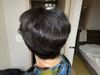
A 26-year-old male with grade 3 hair loss is using 2.5 mg oral minoxidil, 1 mg finasteride, 5% minoxidil, ketoconazole shampoo, and kLM d3. He plans to post progress pictures every 6 weeks and is seeking suggestions.
The user shared progress on hair restoration using dutasteride, oral minoxidil, and 2800 grafts, noting significant improvement in hair thickness and coverage. They discussed the importance of continuing DHT blockers like finasteride or dutasteride post-transplant to prevent further hair thinning.
Hair loss discussion includes treatments Minoxidil, Finasteride, and RU58841. Prolactin's role in immune system's antitumor activity raises safety concerns for HMI-115.
User 74775446 shares successful hair regrowth results using dermaroller/pen and minoxidil. Others discuss their experiences and concerns about finasteride side effects.
A user shared 3 months of progress using daily Dutasteride 0.5mg and Minoxidil 5mg, with Dutasteride mesotherapy every 4 months. They prefer not to use additional treatments for now.
The user switched from finasteride to DIY dutasteride mesotherapy and topical minoxidil due to side effects. They report improved well-being and no hair loss worsening after stopping finasteride.
Results for Amplifica's AMP-303 hair loss treatment study are expected late summer 2024. The study, fully enrolled in Q1 2024, focuses on safety and tolerability.
A user shared their successful hair loss treatment using RU58841, topical minoxidil, and microneedling, noting significant improvement over three months. They chose RU58841 over finasteride due to personal preference and reported no side effects, while others discussed their experiences with different treatments and supplements.
The conversation discusses GT20029, a drug in Phase II trials that targets androgen receptors with minimal systemic effects, and TDM-105795, a growth stimulant with a different mechanism than minoxidil that may revive papilla stem cells. Both are potential new treatments for hair loss.
PP405 shows promise for hair regrowth by manipulating stem cell characteristics and lactate dehydrogenase, with Phase 2a trials pending. Google Ventures' $15M investment suggests confidence, but results and market availability remain uncertain.
AH-001 is a new topical treatment designed to degrade androgen receptors, targeting the root cause of androgenetic alopecia without the side effects of oral treatments like finasteride. It has shown a strong safety profile and good local tolerability in early trials.
User started finasteride at 18, added minoxidil later but stopped due to side effects. Hair loss continued despite treatments, considering dutasteride but hesitant. Others suggest trying dutasteride and discussing with a dermatologist.
The conversation discusses a user experimenting with RU58841 for hair regrowth by ingesting it, which others find concerning. There are mentions of potential side effects and comparisons to other treatments like minoxidil, finasteride, and flutamide.
The user has experienced limited hair regrowth using 1mg oral finasteride, topical minoxidil foam, and occasional dermarolling since August 2023. They are considering switching to dutasteride, adding oral minoxidil 2.5 mg, and RU58841 to improve results.
The conversation discusses hair loss treatments, specifically Minoxidil, finasteride, and RU58841. Concerns are raised about the lack of studies on RU58841 and its potential effects.
Despite using treatments like Dutasteride, Minoxidil, RU58841, and GHK-Cu injections, the individual continues to experience aggressive hair thinning and is seeking a specialist for further help. Suggestions include trying finasteride, dermarolling, or another hair transplant.
A user ordered Alpha Plus from Anagenica, expecting it to contain specific percentages of Fin, Estradiol, Minoxidil, and CB0301. However, the received product's label showed different percentages, including a surprising 25% CB, leading the user to question its safety and accuracy.
A user who underwent a hair transplant in Istanbul to reduce balding, and the discussion of various treatments such as finasteride and growth hormone for preventing further hair loss.
People are discussing their reactions if PP405 fails in phase 3 trials, with some expressing skepticism and others holding onto hope for future treatments like GT20029 and Breezula. Many mention continuing with existing treatments like minoxidil and finasteride, while others express disappointment and consider alternative solutions.
EDHARRINGTON's journey to regrow his hair using finasteride, topical minoxidil, and micro-needling treatments over 4 years, with others commenting their support and admiration for his results.
The conclusion of the conversation is that the user "lemmeseesomeass" has experienced significant hair regrowth using a combination of RU58841, dutasteride, and minoxidil. They mention that RU58841 is effective but not medically approved. They provide instructions on how they use RU58841.
PP405 is criticized for overhyped claims and cherry-picked data, with doubts about its effectiveness compared to minoxidil and finasteride. Many users express skepticism, emphasizing the need for more comprehensive trial results.
A 35-year-old man had a 6400 graft hair transplant in Turkey after years of baldness, using finasteride, oral and topical minoxidil, and scalp micropigmentation. He is satisfied with the progress and plans further SMP touch-ups to enhance results.
PP405 is suspected to be a scam, with users doubting its legitimacy and effectiveness. Many recommend using proven treatments like finasteride and minoxidil.
The user is experiencing hair loss despite using finasteride and Rogaine, with conflicting diagnoses from different hospitals. One suggests no hair loss, while another recommends continuing medication; a suggestion to see a dermatologist for proper assessment is given.
SCUBE3 and Amplifica's progress in hair loss treatment is being discussed, with inquiries about their current status and clinical trials. No specific updates or new information are provided in the conversation.
RU58841 can be ordered as a powder and compounded at home, but it should be stored at room temperature to avoid crystallization. Pyraulatmide may follow a similar principle.