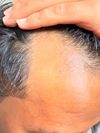
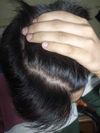
Mango oil may inhibit DKK1 and DHT, potentially aiding hair growth by activating the Wnt signaling pathway. A user plans to test mango leaves juice and other Ayurvedic products for hair regrowth.
Creatine may increase DHT levels, potentially affecting hair loss in some individuals, but opinions vary. Some users report hair loss while on creatine, while others see no effect, especially when using treatments like finasteride, minoxidil, and microneedling.
A 21-year-old male experiencing severe hair shedding despite using 1mg finasteride, 2.5mg oral minoxidil, and saw palmetto with pumpkin seed oil. He is seeking advice on whether this shedding is normal and if he should consider other treatments like dutasteride or RU58841.
The conversation discusses treating side effects of hair loss treatments. Recommendations include lifting heavy weights, reducing body fat, taking ZMA and D3 supplements, improving diet, taking DIM, reducing finasteride dosage, avoiding alcohol, drinking water, getting quality sleep, and not obsessing over side effects.
Adding creatine while using finasteride and minoxidil caused skin irritation and hair thinning. Creatine may affect DHT levels, leading to these issues.
The efficacy of degrading the androgen receptor through dermal application in DP cells, a delivery system for topical drugs that involves dissolving microneedles, and rosemary oil as an alternative anti-androgen.
The user is updating on their 3-month progress using minoxidil (0.5mg twice daily) and microneedling once a week. They plan to consult a doctor about adding finasteride to their regimen.
A user who has been using finasteride and minoxidil for 4-5 months with 5000 IU of vitamin D daily to treat their hair loss, resulting in impressive progress. Other users have given advice about adding Vitamin K2 to the regimen.
The user is happy with their 2-month progress using a 3-in-1 oral tablet containing finasteride, minoxidil, and biotin, with minor side effects like slightly lower libido. They report no significant issues like breakouts and note that oral treatments are more effective than topical ones.
Blocking the Mitochondrial pyruvate carrier and using aldose reductase inhibitors like Indian gooseberry and berberine may help with hair growth. Magnesium can also be added to increase NADPH.
A 35-year-old man used minoxidil 5% and biotin 5000 mcg for six months, resulting in significant hair regrowth. He experienced initial shedding but avoided finasteride due to potential side effects.
The user is using a solution of 5% minoxidil and 0.1% finasteride with micro-needling and is considering adding 1mg oral finasteride. They notice small hairs on their forehead and are questioning if these indicate potential regrowth.
A 23-year-old male experienced nipple sensitivity after starting finasteride for hair loss and stopped using it due to concerns about gynecomastia. He is worried about the risk of developing gynecomastia if he resumes finasteride, especially with plans to increase muscle mass.
Microneedling daily at 0.3mm combined with topical finasteride and minoxidil is effective for hair thickening, with added benefits from near-infrared therapy. The approach may not improve the front hairline, and deeper microneedling is done monthly for better results.
A 21-year-old male has been using 1mg finasteride, 5% minoxidil once daily, ketoconazole, and biotin supplements for over two months and is seeing new hair growth on his forehead, but is unsure if the growth will continue or shed.
A poor diet high in sugar and insulin resistance may reduce the effectiveness of finasteride in treating hair loss. Improving diet could potentially enhance treatment results.
A 22-year-old male shares his 2-month progress using a regimen of 0.5mg dutasteride daily, 1.5mm dermarolling weekly, a daily multivitamin, and a topical serum with 10% minoxidil and 0.1% finasteride. He reports impressive hair regrowth, especially at the hairline, and has experienced no sexual side effects.
Finasteride may affect blood sugar and metabolism, with some users reporting increased blood sugar and changes in body composition. To manage potential side effects, users suggest exercise, intermittent fasting, and dietary adjustments.
User is experiencing hair thinning and sebum overproduction after starting finasteride and a hair growth supplement containing biotin, iron, zinc, and calcium. They suspect the finasteride might be fake but have noticed a side effect of watery semen.
Low vitamin D levels can negatively impact hair growth, and supplementing with vitamin D, along with treatments like finasteride and minoxidil, may help improve hair health. Quitting smoking and ensuring adequate vitamin B12 and K2 intake are also suggested to support hair regrowth.
The user shared 60-day progress using 5% topical minoxidil, 1mg finasteride, and recently started microneedling with a derma stamp. Users commented on the difficulty of seeing changes due to hair length and even thinning.
Microneedling at 1.5 mm should be done every 4 to 6 weeks, not weekly, to prevent scalp trauma and improve hair growth. The user is also using 0.5 mg dutasteride daily, 5 mg minoxidil daily, and started RU58841 two months ago.
The user is taking oral minoxidil, dutasteride, and finasteride but hasn't seen improvement in hair thickness. They experienced hair loss after switching from topical to oral minoxidil.
A 17-year-old is concerned about hair loss and shares photos for opinions. A user responds that the hair looks normal but is hard to assess from the images.
Minoxidil regrowth may be slowed by low vitamin D and ferritin levels. The user is experiencing slow hair regrowth and is considering addressing these deficiencies.
A 24-year-old male experiencing diffused thinning discusses his DHT levels and hair density issues. He has not used finasteride or dutasteride and is considering AR inhibitors.
A male in his thirties with a Norwood 2 hairline questions if gym gains and supplements like creatine cause hair loss. Responses suggest that while exercise can slightly increase testosterone and DHT, genetics primarily determine hair loss, and treatments like finasteride are recommended for DHT control.
A 26-year-old male experienced hair regrowth and increased density after 6 months using oral finasteride and minoxidil tablets, along with a derma pen, multivitamins, omega-3, creatine, and L-citrulline. He plans to add RU58841 soon and is hopeful for further improvement.
The user experienced increased hair shedding after taking a multivitamin containing selenium and questioned if selenium was the cause. The conversation revolves around the potential negative effects of selenium on hair health.