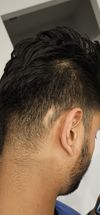
The user experienced chest pain and increased heart rate after microneedling while using topical minoxidil for hair loss. They are unsure if minoxidil is effective without microneedling.
Microneedling for hair loss involves sterilizing tools and possibly using serums like minoxidil or hyaluronic acid. Users report different routines, including applying minoxidil immediately after microneedling, using finasteride, and washing with ketoconazole shampoo.
Low-Level Laser Therapy (LLLT) is seen as a safe and effective method for maintaining hair and promoting regrowth in androgenetic alopecia (AGA) and male pattern baldness (MPB), with devices like the HairMax LaserComb® and iRestore helmet being popular. Some users and professionals are skeptical about its long-term effectiveness and cost.
Researching the effects of scalp trauma on hair growth, with some users suggesting experimenting with a soldering iron or derma pen, and others bringing up studies that suggest this may be an effective treatment.
The user suspects scarring alopecia and is exploring NSAIDs and turmeric/pepper for inflammation-related hair loss, having experienced burning and thinning with finasteride and testosterone reduction. They are seeking feedback while unable to afford a dermatologist.
The user has seen great results from microneedling but is worried it might lead to faster balding without medication. They are considering adding Finasteride or Dutasteride to their routine to address underlying DHT issues.
Microneedling, comparing dermarollers and dermastamps as treatments for hair loss, and the effectiveness of each. Dermastamps are considered cheaper than dermapens, but users have varying opinions on which method is more effective with less pain.
The conversation is about adding dermarolling to a hair loss treatment routine. The user seeks recommendations for dermarollers, stamps, or pens, emphasizing the importance of quality and proper cleaning.
A 35 year old male who has seen good results from Finasteride and microneedling, with minimal side effects. Replies to the post ask about the device used for microneedling, discuss the progress made, and offer encouragement.
The user is asking about the difference between a dermaroller and a dermastamp for hair loss treatment, noting that the dermaroller tangles and pulls out hair. They are seeking advice on which tool is better for long hair.
The user experienced scalp inflammation and rapid hair loss after using minoxidil, despite initial success. Suggestions included switching to minoxidil foam, using oils, trying aspirin, and considering RU58841 for inflammation and hair loss management.
Dermatologists often advise against at-home microneedling due to risks of scarring, infection, and improper technique. Professional guidance is recommended for safe and effective use, with some users reporting positive results when done correctly.
Avoid burning or scarring the scalp for hair growth; instead, use treatments like finasteride, minoxidil, or consider a hair transplant. Microneedling should be done carefully, and extreme methods can cause harm.
A user shared their experience with microneedling and minoxidil for hair loss, avoiding finasteride due to concerns about systemic hormone effects. They reported slight hair regrowth after one month and plan to continue the regimen, noting improvements in skin sensitivity and managing dandruff with anti-dandruff shampoo.
The user is using a topical spray containing finasteride, minoxidil, ketoconazole, and biotin for hair loss and plans to add weekly dermastamping, starting with a needle length of 0.6mm. They seek advice on the safety of combining these treatments, the impact of skipping one dose weekly, and the frequency of replacing the dermastamp.
The user experienced excessive bleeding during microneedling after consuming caffeine and THC, and is unsure if they should continue with the same routine. They are seeking advice on whether the bleeding is a cause for concern.
A user is experiencing worsening hair loss despite using dutasteride, oral minoxidil, ketoconazole, and dermarolling. They are advised to reduce dermarolling frequency and depth to avoid damaging hair follicles.
The conversation is about recommending safe and effective dermaroller or dermastamp brands for hair loss treatment. Users discuss avoiding cheap options to prevent scalp damage and share usage frequency.
The conversation discusses hair loss treatments, including finasteride, microneedling, minoxidil, and PTD-DBM. The user has not noticed significant regrowth and is considering cost-effective options like valproic acid.
A user suggests that deeper microneedling with Verteporfin injections might help regrow hair in areas with scar tissue, alongside a DHT blocker. Another user explains that hair loss might be due to reduced Wnt/β-Catenin signaling and suggests that treatments like Minoxidil, Finasteride, and microneedling could potentially reverse it.
A user shared their hair restoration journey using oral and topical finasteride, experiencing side effects with the former. They later switched to microneedling, scalp massages, and vitamins (D3, Zinc, Biotin, B complex, Vitamin E) with mixed feedback on progress.
A 16-year-old is experiencing hair loss and is using minoxidil, finasteride, and plans to add RU58841, while considering other treatments like MK-677 and microneedling. Concerns are raised about the potential impact of these treatments on puberty and development.
Microneedling may enhance hair regrowth by transferring stem cells to dormant follicles, improving the effects of minoxidil. Users discuss using microneedling with needle lengths around 1.5mm to stimulate hair growth.
The conversation discusses concerns about using hair fibers while microneedling, specifically the potential for clogging pores. It is suggested that microneedling should not cause bleeding.
User discusses switching from microneedling to macroneeding for hair loss treatment. Suggestions include using various devices and unconventional methods.
The user experienced severe hair loss, itchy scalp, and skin issues after trying no-shampoo, and wonders if it's male pattern baldness or an immune issue. They have a history of eczema, dermatitis, and jock itch, and have tried various treatments like coconut oil, peppermint, pumpkin seed, and onion.
A user's hair loss treatment progress over the last 6 months using finasteride, minoxidil and dermarolling; other users have commented to ask questions or share their own experiences.