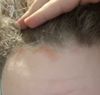
The user reported worsening hair loss after 1.5 years on finasteride, questioning if chronic iron deficiency could be a cause. They noted no side effects from finasteride.
A 21-year-old male diagnosed with telogen effluvium and male pattern baldness started taking finasteride, which initially slowed hair shedding and slightly thickened hair. The doctor recommended iron and vitamin D supplements, and the user is considering minoxidil but wants to stabilize shedding first.
A 23-year-old male is experiencing aggressive hair loss despite using 1mg finasteride and 4.5mg minoxidil, with limited progress and side effects like fluid retention. Suggestions include trying dutasteride, microneedling with topical minoxidil, and considering hair systems or a transplant in the future.
Creatine may increase DHT levels, but its impact on hair loss is unclear and not well-studied. Many users report no significant hair loss while using creatine alongside finasteride, though some experience increased shedding.
The user is experiencing significant hair shedding after four months of using topical finasteride and minoxidil, questioning if it's a normal shedding phase or if the treatment isn't working. They are considering switching to oral treatments and have increased their finasteride concentration, while also using keto and caffeine shampoos.
A user shared their experience using 5% minoxidil twice daily, 1 mg finasteride daily, and weekly derma stamping for hair loss, noting no crown thinning but front diffuse thinning and hairline issues. They experienced fewer side effects on 0.5 mg finasteride but returned to 1 mg, and did not experience shedding after starting treatment.
A 20-year-old is experiencing worsening hair thinning despite using finasteride for 3 weeks and minoxidil for about a year, though inconsistently. They are seeking advice on how to proceed with their hair loss treatment.
The user reported initial hair regrowth and improved hair quality after starting finasteride, but noticed a return of hair loss after about a year. They also experienced side effects like erectile dysfunction and watery semen, which later improved.
The user has been using 0.5mg Dutasteride daily and topical Minoxidil but is experiencing worsening hair density and is considering switching to Finasteride, increasing the Dutasteride dose, or adding RU58841. They are also considering microneedling and have concerns about the effectiveness of generic Dutasteride compared to branded versions.
Shedding is normal in the initial months of using 1mg finasteride and 2.5mg minoxidil, and new thicker hairs indicate the treatments are working. It may take up to a year to see full results, and the hairline might improve with continued use.
The user experienced hair loss due to inconsistent oral minoxidil use while continuing dutasteride and topical minoxidil. Consistent treatment is advised for potential recovery of lost hair.
A 27-year-old Asian male is treating hair loss with 1mg oral finasteride, topical minoxidil twice daily, and 1.5mm microneedling weekly. The discussion is about his progress with these treatments.
The user experienced significant hair shedding after 5 months of using oral finasteride and oral minoxidil, despite initial progress. They are concerned about the shedding lasting over 2 months and seek advice from others with similar experiences.
A 21-year-old male has been using minoxidil for 7 months but notices worsening hair loss, including increased visibility of the crown, overall thinning, and a receding hairline. He previously used finasteride and is considering restarting it, questioning if long-term shedding is normal and when to expect results.
The user is using a hair loss treatment regimen that includes RU58841, minoxidil mixed with finasteride, adenosine, dermarolling with lidocaine cream, and biotin. They are questioning if they are dermarolling too aggressively and are willing to accept baldness if no improvement is seen in 6 months.
A user experienced severe hair loss after taking testosterone, despite using treatments like Dutasteride, RU58841, and Minoxidil. The user regrets taking testosterone, as it seems to have permanently increased sensitivity to DHT, accelerating hair loss.
The user is experiencing a difficult shedding phase after starting a hair loss treatment with oral finasteride, topical minoxidil, and microneedling. Despite the shedding, they remain hopeful for regrowth and plan to continue the treatment, encouraged by others' positive results.
A 17-year-old experiencing early hair loss is advised to improve diet and lose weight gradually, as rapid weight loss and poor diet may contribute to hair loss. Minoxidil is not an option due to tachycardia, and finasteride is not recommended before age 18; alternatives like magnesium oil and dermarolling are suggested.
A 21-year-old is experiencing severe hair loss despite using finasteride and minoxidil, and plans to try dutasteride. Others share similar struggles and suggest various treatments like RU58841, spironolactone, and hair systems, while emphasizing the emotional impact of hair loss.
Creatine may cause increased hair shedding due to androgen receptor sensitivity, despite limited evidence. The user is using dutasteride and minoxidil and seeks advice on whether shedding will stabilize, with suggestions including GHK-Cu and RU58841.
A 25-year-old shared progress after a year using oral finasteride, topical minoxidil, and microneedling, noting significant hair improvement despite periodic shedding. The user experienced body hair loss as a side effect but reported no other issues and plans to continue the treatment.
The user experienced noticeable hair regrowth after using finasteride for 2 years, oral minoxidil for 1 year, and recently starting dermarolling. The right temple shows significant improvement, while the left remains similar.
Annual hair shedding occurs for user, lasting 3 months, despite various factors. User takes Finasteride, Minoxidil, and Dutasteride, and experiences regrowth but fears weakening hairline.
A 32-year-old man has been treating his hair loss with daily oral finasteride (1.25g), twice-daily topical minoxidil, weekly ketoconazole 2% shampoo, and weekly microneedling for almost three months, with no side effects from finasteride. He started with a Hamilton Norwood scale rating of 5 and has seen improvement without experiencing pain by using a 0.8mm needle length for microneedling.
User experienced significant body hair loss from Finasteride and started oral Minoxidil to address crown thinning. Their current regimen includes 1mg Finasteride, 2.5mg Minoxidil, Biotin, Vitamin D, Zinc, Iron, and ketoconazole shampoo.
PP405 may damage hair follicles if used long-term, suggesting cycling might be necessary. Combining it with finasteride could help maintain hair growth.
The user switched from 5% to 2% minoxidil due to a purchasing mistake and is concerned about potential hair loss or shedding. Suggestions include using 2% minoxidil more frequently or in larger amounts to compensate.
The user is experiencing ongoing hair loss despite using a comprehensive treatment regimen including dutasteride, oral minoxidil, cyproterone acetate, transdermal estradiol, and topical bicalutamide. They suspect cyproterone acetate may be worsening their hair loss and are considering switching to injection monotherapy.
The user has been using finasteride for 15 years but is noticing increased hair loss. They are considering increasing the finasteride dosage or switching to dutasteride but are concerned about side effects; they previously stopped using minoxidil due to heart palpitations.
A 25-year-old is struggling with hair loss despite using treatments like oral Minoxidil, oral and topical Finasteride, Dutasteride, and PRP sessions. They feel frustrated with inconsistent treatment strategies and are seeking advice on managing thin hair and regaining confidence.