Potential treatments for hair loss, specifically the combination of liquid minoxidil and pyrilutamide, with some suggesting that adding finasteride may be beneficial.
The conversation discusses how different factors can stimulate type 1 and type 2 isoforms of 5-alpha reductase, which are enzymes linked to hair loss. Specific treatments mentioned include oral Dutasteride and topical Finasteride.
The conversation discusses GT20029, a compound by Kintor Pharma that degrades androgen receptors and is in trials, with potential as a hair loss cure. Another promising treatment mentioned is an antibody that blocks prolactin and has shown positive results in macaques.
GT20029 is a new hair loss treatment in Phase 3 trials in China, using PROTAC technology to target androgen receptors, potentially with fewer side effects than finasteride and minoxidil. VDPHL01, a second-generation minoxidil, is also mentioned as potentially more effective.
The conversation discusses the tension theory of baldness, suggesting that over-developed masseter muscles may harm hair follicles. Botox injections to relax these muscles reportedly led to an 18% increase in hair count in men with AGA.
A user experienced an allergic reaction, including swollen lymph nodes, to Minoxidil 5% with an aqueous base. Switching to a non-alcohol-based Minoxidil (Prolox 5%) resolved the allergies.
Rotenone, a natural plant extract, may promote hair growth by increasing LDH activity and blocking MPC in the scalp, but it carries risks due to its toxicity. The suggested formulation includes Barbasco extract, DMSO, propylene glycol or PEG-400, ethanol, and a carrier oil.
The conversation discusses using a multimodal approach to treat androgenic alopecia, including substances like gamma-linolenic acid, DHA, sulforaphane, melatonin, cetirizine, astaxanthin, fisetin, apigenin, curcumin, limonene, genistein, and berberine. Users also mention using ketoconazole, minoxidil, and low-level laser therapy (LLLT) as part of their hair loss treatment regimens.
Hair transplants for NW7 individuals are challenging due to limited donor hair, often resulting in thin coverage unless body or beard hair is used. Treatments like minoxidil and finasteride are mentioned to support hair density and growth.
The user has been using topical minoxidil (5%) for two years and kx826/pyrilutamide for one year, after experiencing side effects from finasteride. They report positive results from the combination of minoxidil and kx826 in combating hair loss.
The post and conversation are about the role of the enzyme 3alpha-hydroxysteroid reductase in hair loss and the potential of compounds like procyanidin B2 and sulforaphane to boost its activity for hair regrowth. Further research is needed to develop effective treatments based on this theory.
This post and conversation are about the effects of Minoxidil on renal electrolytes transport in the Loop of Henle. The replies show a lack of interest and a brief summary stating that rectal Minoxidil electrolytes are bad.
A user tried the Rapid Minoxidil Response Test (TrichoGene) and found they don't respond to topical Minoxidil, so they added tretinoin. The test is available internationally, and another user is considering ordering it.
The user is experiencing hair regrowth using daily 5% minoxidil and weekly microneedling, and plans to add finasteride soon. They are considering the effectiveness of once-daily minoxidil and adjusting microneedling needle size.
Minoxidil sulfate is more effective than regular minoxidil, especially for those with low sulfotransferase levels or scalp sensitivity, but it is unstable unless delivered in a liposomal format. Combining minoxidil with tretinoin can enhance effectiveness, and stopping minoxidil use can lead to rapid hair loss.
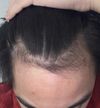
Hair regrowth treatments are effective in mice but not yet available for humans. The discussion humorously highlights frustration over this disparity and mentions a project to genetically modify elephants to resemble mammoths.
Topical dutasteride with microneedling and mesotherapy dutasteride injections are effective treatments for androgenetic alopecia in both men and women. These methods offer promising alternatives to oral therapies with potentially fewer systemic side effects.
The conversation discusses the theory that scalp fibrosis contributes to male pattern baldness (MPB) by increasing DHT concentration, and mentions treatments like Minoxidil. The user seeks opinions on the theory and the effectiveness of scalp massages.
A quercetin-encapsulated and polydopamine-integrated nanosystem (PDA@QLipo) shows promise for treating androgenetic alopecia by reshaping the perifollicular microenvironment, outperforming minoxidil in hair regeneration. The nanosystem promotes cell proliferation, hair follicle renewal, and recovery by scavenging reactive oxygen species and enhancing neovascularity.
Increased scalp itching during shedding phases while on finasteride treatment may coincide with hair regrowth and recovery. This suggests that itching might not always indicate continued hair loss and could encourage persistence with the treatment.
The user experienced significant hair regrowth using topical finasteride/minoxidil and oral minoxidil/dutasteride, with some mild side effects that diminished over time. They plan to add microneedling to their regimen and have seen hair shedding cycles every six months, followed by thicker regrowth.
The conversation discusses the mechanism of action of alfatradiol (17 alpha estradiol) in treating hair loss. It explores theories that it either inhibits 5 alpha reductase to prevent T->DHT conversion or aromatizes scalp T into 17-alpha-estradiol to save hair.
The user used microneedling, zinc, vitamin D3, biotin, magnesium, saw palmetto, pumpkin seed oil, and a DHT-blocker shampoo with biotin for hair loss. They are considering adding minoxidil due to stagnation in progress.
A user shared their progress with hair loss treatment using Dutasteride Mesotherapy but mentioned they ruined their progress. Another user commented that Minoxidil caused shedding, which should regrow in three months.
Finasteride is effective for DHT/AR-driven hair loss but not for chromosome 20-driven cases, where treatments like minoxidil, prostaglandin analogs, and low-level laser therapy may be more beneficial. Genetic testing can help determine the underlying cause of hair loss to tailor treatment effectively.
Chime Biologics and Hope Medicine are speeding up the launch of a first-in-class antibody drug, HMI-115, for endometriosis and androgenic alopecia. The treatment involves a series of subcutaneous injections, has shown promising results in phase 1, and continues to promote hair regrowth even after the treatment is stopped.
The user experienced significant hair regrowth over seven months using a combination of oral dutasteride, minoxidil, microneedling, vitamin D, biotin, zinc, and iron. They plan to continue treatments to prepare for a potential hair transplant.
The conversation discusses using microneedling with growth factor serum, PRF injections, dutasteride, oral and topical minoxidil, and topical exosomes to treat hair loss, particularly on the crown. OP plans to microneedle twice a month and seeks feedback on Korean growth factor serums.
The user experienced initial success with topical minoxidil and dutasteride mesotherapy but is now losing more hair and unsure if it's due to shedding or ineffective treatment. They are considering whether to try a different approach.