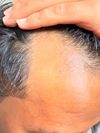
The conversation discusses using minoxidil foam as a solvent for topical finasteride. Ingredients of minoxidil foam include butane, cetyl alcohol, glycerin, and purified water.
Using a combination of topical minoxidil and finasteride, plus microneedling, to treat hair loss; the progress made by the original poster over 6 months; the potential for further results with longer use; and the possibility of seeking alternatives such as a hair transplant or system.
The user started a hair care routine using 0.5mg finasteride daily, 2ml of 5% minoxidil, and 4.5mg of cetirizine topically to address hair loss. They plan to provide updates and are also interested in cetirizine's potential to reduce scalp itching and redness due to its anti-inflammatory properties.
The user is using a topical spray containing finasteride, minoxidil, ketoconazole, and biotin for hair loss and plans to add weekly dermastamping, starting with a needle length of 0.6mm. They seek advice on the safety of combining these treatments, the impact of skipping one dose weekly, and the frequency of replacing the dermastamp.
Combining minoxidil with tretinoin may help those who don't respond to minoxidil alone. Some users report better results with this combination, along with oral minoxidil and finasteride.
Microneedling can enhance hair growth when combined with treatments like minoxidil, especially topical minoxidil. Users discuss the benefits of continuing microneedling even when switching to oral minoxidil.
Minoxidil non-responders may benefit from using minoxidil sulfate due to reduced sulfotransferase activity in their scalps. Users are encouraged to share their experiences with minoxidil sulfate.
A peptide from Japanese water chestnut fruit may help with hair loss by suppressing DHT's effect on hair follicle cell death, potentially serving as a finasteride alternative. The treatment's effectiveness and safety in humans remain uncertain.
Cecred hair drops, containing keratin and biotin, are questioned for their effectiveness compared to proven treatments like minoxidil. Users express skepticism, suggesting deceptive marketing and the possibility of undisclosed use of other treatments like finasteride.
Minoxidil foam can be used with styling products, but it's best to wait before applying fibers. Switching to night application may help maintain hairstyle.
PP405 and hair cloning are discussed as potential treatments for reversing hair loss from Norwood 7 to Norwood 1. Hair cloning is seen as a more permanent solution, while PP405's effectiveness and long-term effects remain uncertain.
User discusses potential hair loss treatment SCUBE3 and shares mixed opinions on its effectiveness. One user reports positive results after applying SCUBE3 following microneedling.
A user discussed the "Rootique Duo," a device that turns minoxidil into mist for scalp application, but others suggested cheaper alternatives like an AliExpress applicator. Some users prefer traditional methods like droppers or spray nozzles, especially for longer hair.
A trans woman experiencing male pattern baldness has been using Minoxidil and microneedling for 3.5 months, noticing visible hair regrowth. Despite initial skepticism, progress is evident, though a hair transplant might be needed for fuller coverage.
The user is using a solution of 5% minoxidil and 0.1% finasteride with micro-needling and is considering adding 1mg oral finasteride. They notice small hairs on their forehead and are questioning if these indicate potential regrowth.
Microneedling does not prevent future hair transplants, but some surgeons report the skin becomes "harder" in treated areas. There is no clear evidence to confirm this effect.
PP405 is likely a scam, with concerns about its legitimacy and safety, as it may cause unintended tissue growth. Users suggest sticking to known treatments like finasteride and minoxidil.
The post and conversation are about a user's progress with microneedling and minoxidil for hair loss. The user is happy with the progress and plans to continue with the treatment, without using finasteride.
A user has been using finasteride since 2018, switched to dutasteride, and added minoxidil, microneedling, and a tretinoin/spiro compound. They are pleased with the results and hopeful for more improvement.
A user is experiencing an itchy scalp after using a shampoo containing biotin, saw palmetto, and caffeine, and is questioning if it's due to the shampoo or balding. They are seeking feedback on others' experiences with similar shampoos.
People are discussing the use of the peptide GHK-Cu for hair and skin, with mixed results. Some users have tried it alongside other treatments like adenosine and melatonin, but have not seen significant improvements, and one user stopped due to cost.
The conversation discusses using a violet ray device for hair regrowth, citing a case where zinc ion treatments showed promising results. It also mentions similar devices like the Growcombr and niostem helmet.
The conversation discusses using a 4-in-1 spray containing minoxidil, tretinoin, caffeine, and melatonin for hair loss. Users consider the potential benefits of combining these ingredients, with some interest in a comprehensive approach to treatment.
Setipiprant and Fevipiprant are questioned for their effectiveness in hair maintenance, with skepticism due to lack of convincing results beyond vellus hair growth. The user is satisfied with Minoxidil and Finasteride but is curious about the potential of DP2 inhibitors.
The conversation is about purchasing dutasteride solution for mesotherapy, with a suggestion to make it using dutasteride capsules and oils. A user shared a link to a potential supplier and mentioned using dutasteride with microneedling.
Minoxidil is highly toxic to pets, particularly cats and dogs, and there is a call for proper labeling to warn pet owners. Despite some skepticism about the effectiveness of petitions, many agree that awareness and caution are necessary to prevent accidental poisoning.
A user experienced significant hair density increase after 80 days using oral finasteride, topical minoxidil, and microneedling with a derma pen. They reported minimal side effects and attributed their success to being a hyper responder to the treatments.