Search
forProducts matching "medicated shampoos"
Tracking 1 products like 33 Ketoconazole Shampoo from by companies like Keeps. View product »
Sort by
Community Join
540-570 / 1000+ resultscommunity 3 months in.1mg finasteride+5%minoxidil+ keto shampoo
A user shared their 3-month hair regrowth progress using 1mg finasteride, 5% minoxidil, and ketoconazole shampoo. Commenters noticed improvement and discussed the importance of waiting 6 months for more significant results.
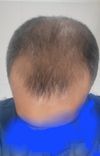
community Shave it or treat it need advise on mpb genetic
A 31-year-old experiencing rapid hair loss is considering whether to shave their head or use treatments. They were prescribed B12, topical finasteride 0.1%, and minoxidil 10% but are unsure about the correct dosage and potential side effects.
community Websites to get 2% keto shampoo and aminexil?
community 9 months on treatment
A 30-year-old from Mexico shares his 9-month experience using finasteride, ketoconazole shampoo, and minoxidil for hair loss, reporting no major side effects except for hair dryness. He advises using conditioner and coconut oil to minimize hair breakage and encourages others to try these treatments while seeking help if hair loss affects mental health.
community Hair Loss Due To Chlorine and Hard Metals In Water?
Hair loss possibly caused by chlorine and heavy metals in water was addressed by using a shower filter, ketoconazole shampoo, and PRP sessions, which stopped the hair loss but did not lead to regrowth. Other users suggested similar experiences and solutions, emphasizing the importance of a good water filter and patience for potential regrowth.
community Would taking Ketoconazole 2% shampoo before signs of male pattern baldness help delay hair loss?
The conversation is about a user considering the use of Ketoconazole 2% shampoo before showing signs of male pattern baldness (MPB) to potentially delay its onset, inspired by a YouTuber who uses the shampoo to reduce scalp DHT levels. The user's interest in this preventative measure stems from a family history of MPB.
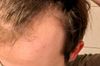
community 22M: Hair Loss Worsening Despite Using Prescribed Serum and Shampoo
A 22-year-old is experiencing worsening hair loss despite using a doctor-prescribed serum and shampoo. They are seeking advice on additional treatments like Minoxidil, finasteride, or RU58841.
community Effective Essential oils (And question about adding them to shampoo)
Essential oils like lavender, peppermint, and rosemary may help with hair growth, similar to Minoxidil. Turmeric with piperin might be as effective as Finasteride without side effects.
community Good shampoo recommendations - improve thickness and health
The conversation is about finding a good shampoo to improve hair health and thickness, with recommendations including ketoconazole, pura’d’or, Head & Shoulders Dermaxpro, OGX Argan Extra, and OGX apple cider vinegar shampoo. Users discuss experiences with ketoconazole and suggest adding a scalp cleanser with glycolic acid to the routine.
community 4 weeks on oral fin 1mg daily and keto shampoo 2x week. Progress?
A 35-year-old male is using oral finasteride and ketoconazole shampoo for hair loss and is unsure about seeing improvement after 4 weeks. Suggestions include continuing the current treatment for at least 6 months before expecting results, and considering adding minoxidil to the regimen.
community Hair Loss Causes Depression. Not Finasteride.
Finasteride and Dutasteride do not cause depression or mood disorders; hair loss itself may be a more significant factor. Some users experience side effects from Finasteride, but it is generally well-tolerated.
community Common hair-loss drug consistently associated with higher rates of psychiatric harm
Finasteride and dutasteride can cause psychiatric side effects like depression and suicidal thoughts in some users, especially those with a history of mental health issues. While some users experience positive hair growth results, others face severe psychological effects, raising concerns about their safety and the need for careful monitoring.
community I messed up. Regrew my hair and then lost it all.
Stopping hair loss treatments like finasteride and minoxidil can result in losing regrown hair, highlighting the importance of consistent use. Restarting these treatments may cause temporary shedding, but hair can regrow with continued use.
community One year off fin/min and I regret it
The user regrets stopping finasteride and minoxidil due to side effects but plans to resume treatment. They consider using finasteride every other day and continuing topical minoxidil to manage side effects while maintaining hair.
community Dutasteride absolutely nukes hair DHT
Dutasteride significantly reduces DHT levels, potentially more effectively than finasteride, and is used to treat hair loss. Some users report side effects like reduced libido and mood changes, while others experience hair regrowth and increased testosterone.
community How finasteride lowers brain's happiness steroid allopregnanolone and causes depression: systemic dihydroprogesterone crosses blood brain barrier, you don't even need finasteride and brain 5ar for that
Finasteride may lower allopregnanolone levels, potentially affecting mood, but many users report improved mental health due to reduced hair loss. Experiences with finasteride and dutasteride vary, with some experiencing side effects and others finding them beneficial for hair retention and overall happiness.
community New BBC article on Finasteride just dropped
Finasteride and minoxidil are discussed as hair loss treatments, with mixed opinions on side effects like sexual dysfunction and mood changes. Some users report positive results, while others express concerns about potential risks and insufficient information.
community If you can give one advice to your younger self then what that would be?
Users discussed hair loss treatments, specifically minoxidil and finasteride. They shared personal experiences and advice on starting these treatments early.
community Why do I see so many people here recommend microneedling?
The efficacy of microneedling for hair regrowth as either a stand-alone therapy or adjunct to Minoxidil, and whether Tretinoin is a safer and more effective option. Replies include personal accounts from users who have had success with microneedling in combination with minoxidil and peptide serums, as well as considerations of technique, depth, and potential scarring.
community Stop the fear mongering of oral minoxidil its one of the best treatments available in 2020. It does not cause heart lesions or adverse cardiac effects like people claim. I am maintaining with just oral minoxidil with retrograde alopecia and diffuse thinning all over nw3 hairline
Oral minoxidil is considered a safe and effective treatment for hair loss at low dosages, with minimal cardiac risks. Users report positive results, though some experience side effects like increased heart rate and skin changes, and consulting a doctor is advised.
community Results: Finasteride, minoxidil, 1.5mm derma roller. There are 2 to 2.5 months between the two images.. which means I did 7-11 times of dermarolling
Results from taking finasteride, minoxidil, and dermarolling to treat hair loss; the user's age and potential side effects of taking finasteride.
community Should I pick Regenepure, Lipogaine Big 3, or Pura d'OR Argan Oil shampoo?
Regenepure is recommended for hair loss due to its gentle formula and beneficial ingredients like Saw Palmetto and Biotin, despite having only 1% Ketoconazole. Nizoral is noted for its higher Ketoconazole content but is considered harsher on the scalp.
community Need a provider that doesn’t use PG Ethanol and also custom Fin concentration for a topical
The user is experiencing scalp itching from a PG ethanol base in their hair loss treatment, which includes 0.025% finasteride and 2.5% minoxidil, and is seeking alternatives without PG or ethanol. Suggestions include Zeuss non-PG foam and Ulo, which do not use PG or hydrocortisone.
community I use the big 4 to combat but I need to do more
The conversation discusses various hair loss treatments, including Minoxidil, Finasteride, Dutasteride, Ketoconazole shampoo, microneedling, and supplements like collagen, biotin, and vitamins. Users suggest additional treatments like red light therapy, scalp massages, and possibly adding RU58841 or Tretinoin.
community Personal Ranking of Natural/Non-Keto Shampoos For Hairloss
The conversation ranks natural shampoos used for hair loss, with Pura D'or being the top choice due to its multiple DHT blocking ingredients and value. Other shampoos mentioned include Hims DHT Blocker Shampoo, Bevisen Organic Anti-DHT Shampoo, Ultrax Labs Hair Growth Stimulating Shampoo, and Hairgenics Pronexa Therapy Shampoo, with varying effectiveness and prices.
community Scalp Progress 2024 March Through to Now 1mg Finasteride daily and 2x weekly ketoconazole shampoo
The user is using 1mg Finasteride daily and ketoconazole shampoo twice weekly for hair regrowth, with noticeable improvement. They are considering adding Minoxidil to their regimen.
community Help needed with finding an alternative to my dermatologist's recommendation ( shampoo and conditioner)
A user is seeking alternatives to **Curatio Triclenz Hair Cleanser** and **Triflow Hair Conditioner** due to issues with hair weight and scalp pimples. They need recommendations for mild shampoos available in Europe, preferably Sweden.
community Effectiveness of Nizoral 1% Shampoo vs 2-in-1 for Dry Scalp
The conversation discusses whether a 2 in 1 shampoo and conditioner with ketoconazole 1% is less effective than using the shampoo alone for someone with a dry scalp and seborrheic dermatitis. The focus is on choosing the right product for hair and scalp health.
community Massive Shedding and Itchy Scalp (Fin 1mg 4x/week, Dut 0.5mg 3x/week, Minoxidil 1ml 2x/day)—Seeking Advice
The user experienced significant hair shedding and an itchy scalp after using a combination of Finasteride, Dutasteride, and Minoxidil. They are seeking advice on whether Dutasteride might be causing these issues and are considering adjusting their treatment regimen.