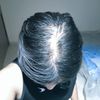
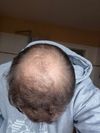
The solution contains minoxidil, finasteride, azelaic acid, caffeine, retinoic acid, and procapil. Users suggest minoxidil with tretinoin and a 5-alpha reductase inhibitor, while dismissing retinoic and azelaic acids as unnecessary.
The user is using dutasteride, oral minoxidil, and ketoconazole shampoo for hair loss but still experiences hair shedding. Despite using these treatments for about 1.5 years, the user jokes about the ineffectiveness and dandruff issues.
A user experiencing hair loss received three different diagnoses: androgenic alopecia, traction alopecia, and scarring alopecia, and tried treatments like minoxidil and finasteride without success. They are considering dutasteride but were advised to seek anti-inflammatory medication instead.
Hair care products for those using minox, keto, fin, and microneedling are discussed. Nizoral 2%, Revita shampoo, Nioxin system 2, Aveda thickening tonic, Hanz De Fuko Claymation, and Morrocanoil Texture Clay are mentioned as options.
The conversation discusses a 3-month update on using topical minoxidil, finasteride, microneedling, and ketoconazole shampoo for hair loss. Users express amazement at the progress and congratulate the original poster.
A user is seeking advice on enhancing their hair loss treatment regimen, which currently includes finasteride, minoxidil, saw palmetto, and Nizoral shampoo, with plans to add oral minoxidil, a laser cap, and various supplements. They are considering purchasing additional treatments like topical finasteride, melatonin, Eucapil, and Stemoxydine from Indian and international sources.
The user alternates between minoxidil and finasteride or dutasteride, uses a specific shampoo, and takes biotin and saw palmetto vitamins for hair loss. They are considering oral minoxidil for additional results.
The user discusses their experience with diffuse unpatterned alopecia and acquired progressive hair kinkering, noting improvements with treatments including biotin, pantothenic acid, finasteride, ketoconazole, and zinc pyrithione shampoo. They report thicker, healthier hair and improved scalp condition, attributing success mainly to biotin, pantothenic acid, and finasteride.
A user named Mmherak is experiencing hair loss, with low B12 and iron deficiency, and has been recommended minoxidil and spironolactone by dermatologists. Other users suggest seborrheic dermatitis or dandruff, recommending treatments like Nizoral shampoo, ketoconazole, and Selsun Blue.
The conversation is about managing scalp irritation caused by minoxidil use. Suggestions include switching to foam, using fluocinonide topical solution, trying lipogaine for sensitive skin, and considering low-dose oral minoxidil.
Hair loss treatments discussed include Minoxidil, Finasteride, microneedling, red light therapy, and biotin pills. The most proven treatments are Minoxidil, Finasteride, and microneedling, while other methods are considered less effective or satirical.
Individuals with oily scalps, dandruff, and diffuse thinning hair loss who have managed to either halt the loss or regrow their hair by using topical finasteride and minoxidil as well as microneedling and ketoconazole 2% shampoo.
The user is experiencing hair loss despite using dutasteride, minoxidil, and ketoconazole shampoo, and is concerned about continued shedding. Suggestions include checking for nutrient deficiencies, consulting a dermatologist, and considering other potential causes like seborrheic dermatitis or telogen effluvium.
The post discusses using finasteride, minoxidil, ketoconazole, and a dermaroller for hair loss, along with spearmint capsules, pueraria mirifica, saw palmetto, biotin, and vitamins. The user is also considering microdosing finasteride with trans treatment and mentions the potential of herbal enemas and hair systems.
The user experienced a noticeable hair transformation in two months using 2mg finasteride daily, minoxidil, Nizoral shampoo twice a week, and Biotin shampoo daily. They reported initial side effects from finasteride but saw quick results despite occasional hair shedding.
Hair loss treatments include finasteride, minoxidil, alfatradiol, vitamins, red light therapy, ketoconazole shampoo, meditation, green tea, leg workouts, and silk pillows. Genetics is emphasized as the primary factor in hair health, with some humor about unconventional methods like drug use affecting hair loss.
New hair loss treatments like GT20029, Clascoterone, and PP405 are being discussed, with concerns about how to apply multiple topicals alongside existing treatments like minoxidil and finasteride. Suggestions include creating a routine, mixing treatments, or minimizing redundancy in treatment stacks.
The conversation discusses exploring new hair loss treatments beyond popular ones like Finasteride, Minoxidil, and Ketoconazole. Specific treatments mentioned include ozone therapy, Dutasteride mesotherapy, RegeneraActiva, microcurrent electrical hair stimulation, Nourkrin, and BioEqua Enercharger.
Vitamin C mixed with shampoo stopped shedding and promoted hair regrowth after 1.5 years. Both the person and their wife experienced significant hair loss reduction with this method.
Minoxidil combined with tretinoin may improve hair regrowth due to their synergistic effects. Using a gel with 0.025% tretinoin and antibiotics might still be beneficial.
The conversation discusses concerns about hair loss treatments, including minoxidil, topical finasteride, derma stamping, and keto shampoo, with some users suggesting switching to oral finasteride or dutasteride for better results. Users share experiences of initial shedding and regrowth, debating the effectiveness of topical versus oral treatments.
Using Nizoral shampoo intermittently and reassessing scalp condition after each bottle, potentially adding in other tools to target seb derm, and alternating between Pura D'Or and Nizoral for a healthy and clean scalp.
The user has been using finasteride and oral minoxidil for hair loss, but experienced increased hair loss after using testosterone steroids without post-cycle therapy. They are considering switching to dutasteride and have added ketoconazole shampoo to their routine, but are concerned about side effects and the ongoing hair loss.
The conversation is about a 25-year-old considering whether to start using hair loss treatments like Minoxidil, finasteride, or RU58841, or to shave his head. He is seeking advice due to his family history of baldness.
The conversation discusses the impact of vitamins, stress reduction, and appropriate shampoo on hair health, with the original poster noting slight improvements after two months of using vitamins B5, B6, zinc, and a suitable shampoo. Many users express skepticism about the effectiveness of vitamins for hair loss unless there is a deficiency, emphasizing the importance of addressing DHT and considering 5AR inhibitors.
A user shared their 5-month hair loss treatment progress using 1mg finasteride, topical minoxidil, biotin, Nizoral shampoo, and weekly dermarolling. Replies noted the user's hair was already thick, and there was interest in trying topical minoxidil.
Tattooing hair loss drugs like minoxidil and dutasteride into the scalp is discussed as an alternative to daily pills, with mixed opinions on its effectiveness and convenience. Some users report positive results, but concerns about cost, potential side effects, and the procedure's discomfort are noted.
Switching from minoxidil with propylene glycol to a glycerin-based solution helped reduce scalp buildup and dandruff. Using ketoconazole shampoo and a scalp massager also improved scalp health.