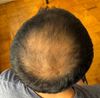
The user is considering liposomal minoxidil due to non-response and side effects from other treatments. They are exploring tretinoin with topical minoxidil as an alternative.
Latanoprost is discussed as a potential hair loss treatment, noted for its synergy with minoxidil and 5-AR inhibitors, but concerns include its effectiveness on scalp hair, cost, and potential skin darkening. Some users express interest in trying latanoprost or bimatoprost despite limited real-world evidence.
A 24-year-old shared their hair loss journey, switching from a 3-in-1 medication (finasteride, minoxidil, biotin) to a stronger 4-in-1 treatment (finasteride, dutasteride, minoxidil, biotin) with no side effects and noticeable hair growth. The user also discussed using hair dye cautiously to enhance the appearance of vellus hairs.
A 31-year-old man, between Norwood 4 and 5, is considering hair loss treatments like finasteride and minoxidil but is concerned about side effects. He is exploring options with doctors and considering a hair transplant, noting that some clinics require medication before and after the procedure.
A 25-year-old male experienced hair loss after taking breaks from oral dutasteride and minoxidil, leading to concerns about losing progress. He is advised to remain consistent with his current regimen and avoid adding spironolactone.
Hormone replacement therapy with spironolactone and estradiol significantly improved hair thickness and growth, surpassing previous treatments like dutasteride, finasteride, and minoxidil. The user experienced regrowth in receded areas and a more youthful appearance.
A 24-year-old started using 1 mg oral finasteride, 5% topical minoxidil, and 1 mm microneedling every other week for hair loss, reporting no side effects and noticeable improvement after four months. The user clarified a typo in the title, initially suggesting meditation instead of medication.
The user shared their hair loss progress using finasteride, topical minoxidil, dutasteride, and oral minoxidil, reporting no side effects. They noted significant improvement despite a family history of baldness.
The conversation discusses confusion over the dosage calculation of a topical solution containing 0.25% finasteride, 5% minoxidil, and 0.001% tretinoin. The user considers switching to a 0.025% finasteride solution to enhance the effects of tretinoin and minoxidil.
A woman experienced significant hair loss due to medication, hair coloring, and heat damage, leading her to shave her head and feel distressed. She is considering using wigs and possibly oral minoxidil to manage the situation while her hair regrows.
The conversation discusses the trustworthiness of Indian medications for hair loss, with some users mentioning they have purchased Minoxidil, finasteride, and RU58841 from India. Concerns include dosage and ingredient variations, but no harmful effects are noted.
Hair loss treatments like spironolactone often require lifelong use to maintain results. Stopping the medication can lead to increased testosterone levels and potential hair loss.
The user's progress in treating their hair loss using finasteride, minoxidil, vitamins, and microneedling, with one person suggesting to wait six more months before considering a hair transplant. The other person agreed that a hair transplant would be nice.
Minoxidil effective for regrowth but causes dryness; finasteride stops hair loss but may affect hormones; dutasteride powerful but reduces libido; RU58841 thickens hair but expensive and risky; dermarolling improves blood flow and results; aminexil overrated and not effective. Dermarolling beneficial with both minoxidil and finasteride.
The conversation discusses the variability in effectiveness and safety of generic finasteride from different manufacturers, with some generics potentially containing impurities. Users shared their experiences with various brands, questioning if different brands affect hair loss treatment outcomes.
A user has been using minoxidil, finasteride, derma stamping, and keto shampoo for hair loss for 5 months, noticing baby hairs but no thickening. Another user suggests trying topical magnesium chloride with UV light as an additional treatment.
The individual has experienced no hair regrowth from using minoxidil and finasteride and is considering a hair restoration clinic's options, including PRP and nano follicle hair replacement, as well as a potential beard transplant. They are seeking advice on whether to pursue PRP, timing for hair replacement surgery, and experiences with beard transplants.
The conversation lists medications, oils, and herbs for hair loss, including FDA-approved treatments like Finasteride and Minoxidil, off-label options like Dutasteride and Clascoterone, and others like RU58841. It also mentions Rosemary oil, Saw palmetto, and Fo-Ti root as non-medical treatments.
A 28-year-old male is struggling with hair regrowth after a hair transplant and restarting medications, including dutasteride, topical minoxidil with finasteride, and oral minoxidil. Despite previous success with these treatments, current results are disappointing, and the doctor advises waiting a few more months.
A 42-year-old user shared progress after 6 months using 1.25mg finasteride and 5mg oral minoxidil daily, with 5% topical minoxidil twice a day, improved nutrition, and weekly dermarolling. The user noticed some shedding and slower regrowth but remains disciplined, while others commented on the impressive results and potential side effects of high minoxidil doses.
The user achieved significant hair regrowth using 0.5mg oral Dutasteride, 2.5mg oral Minoxidil, topical Minoxidil twice daily, Ketoconazole shampoo twice a week, and weekly dermastamping with no side effects. Results were noticeable after 2-3 months, with the best results at 9 months.
A 23-year-old male experienced initial success with finasteride, topical minoxidil, and ketoconazole for hair loss, but persistent shedding and scalp issues led him to switch to dutasteride without improvement. Users suggest stress management, addressing potential seborrheic dermatitis, and patience with the treatment process.
A 19-year-old male started taking 1.2 mg finasteride and 3 mg minoxidil orally for hair thinning, noticing no shedding and some new baby hair but concerns about overall hair thinning. Users advised patience, suggesting thinning might be due to shedding, which is a normal part of the treatment process.
The conversation discusses updates on hair loss treatments, specifically GT20029, PP405, and a rumored injectable peptide from UT. GT20029 is seen as a promising treatment expected within 5-7 years.
A user diagnosed with AGA is seeking advice on hair loss treatments, comparing topical Minoxidil, Spironolactone, and Finasteride to oral medications and natural methods like dermastamping, PRP, and LED light. They are concerned about side effects and effectiveness, especially given their existing fatigue.
The user has been using 1 mg of finasteride since February 2023 and started 2.5 mg of minoxidil at the beginning of the year, and is happy with the improvement in hair loss after 1 year and 4 months of treatment. They are 36 years old and noticed their hair thinning one year ago.
The conversation discusses whether RU58841, if FDA approved and safe, would be recommended over finasteride for hair loss. Specific treatments mentioned include RU58841, finasteride, and minoxidil.
A user was prescribed Alpicort E, which contains Estradiol Benzoate, Prednisone, and Salicylic Acid, for hair loss and is seeking others' experiences due to concerns about potential side effects.
Royal_Woodpecker0007: Hahaha . No i am not naked .
This conversation is about Royal_Woodpecker0007's 11-month progress on hair loss medications, including topical finasteride and minoxidil, as well as oral finasteride and keto 1% shampoo. The treatments have shown positive results, reducing his hairfall from 200 hairs per day to 40-50, and thickening his hairline. He plans to wait another year before considering a transplant.
User took Dutasteride, Minoxidil, and Vitamin D for hair loss treatment and saw improvement in 2 months. Vitamin D deficiency played a role in recovery.