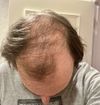
A user shared progress pictures after 8 months of finasteride, 2 months of minoxidil, and 2 months of vitamin D. The post shows significant hair improvement despite some light differences in the photos.
Significant hair regrowth was achieved after 4.5 months using 0.5 mg Dutasteride and 5 mg oral Minoxidil. Tips on obtaining prescriptions and discussions on effectiveness and side effects were also shared.
Oral Dutasteride and topical Minoxidil significantly improved hair regrowth over nine months. Other users shared mixed results and side effects with treatments like oral Minoxidil and Finasteride.
Hair shedding can still occur after long-term use of finasteride, and it is often part of the natural hair cycle. Some users consider adding minoxidil or switching to dutasteride to manage shedding.
The user reported progress in hair growth after 7 months using dutasteride, oral minoxidil (2.5 mg once daily), and Nizoral, noting improvements in hair thickness and density. The user experienced no side effects and plans to continue the treatment.
Most users did not visit a dermatologist before starting finasteride, opting to purchase it directly or through a primary care physician. Some users shared experiences of side effects and emphasized the potential benefits of medical advice and monitoring.
Doctors in the UK are hesitant to prescribe finasteride for hair loss, leading many to seek it from online pharmacies. Users discuss side effects and alternative treatments like minoxidil, with some opting for online purchases due to ease and availability.
A user reported positive results after four months of using finasteride and topical minoxidil for hair loss, with no side effects. They also use ketoconazole shampoo, dermarolling, and rosemary spray.
The user has been using a hair loss treatment protocol including topical dutasteride, minoxidil with tretinoin, ketoconazole shampoo, microneedling, a laser cap, and vitamin D for 15 weeks, showing impressive progress. Feedback suggests continuing medical therapy for 12-24 months before considering a hair transplant.
A 33-year-old man is experiencing positive hair regrowth after 3 months on 1mg finasteride, 2 months on 5% minoxidil, and 1.5 months of derma rolling. He is hopeful for further progress and considering additional treatments like dutasteride and microneedling.
The conversation is about a user's positive experience with hair regrowth using 2.5mg daily of Dutasteride and 5mg oral Minoxidil, noting significant progress without major side effects. The user experienced an initial hair shed with Dutasteride, which stopped after starting Minoxidil, and recommends consulting a doctor before adjusting dosages.
A 34-year-old underwent a hair transplant with 5,250 grafts, stem cell therapy, and PRP at Dr. Hakan Clinic in Istanbul, without using Minoxidil or Finasteride. Despite initial concerns about the hairline design, the user is optimistic about the results and plans to update progress over time.
The user regrets their hair transplant after 5 months due to patchy and thin hair, despite starting finasteride at the same time. Many recommend waiting 12-18 months for results and using finasteride and minoxidil before and after the transplant.
A 33-year-old male with a receding hairline is advised to start with finasteride to block DHT and consider minoxidil for promoting hair growth. Other treatments like copper peptides and serums are deemed less effective, and ketoconazole shampoo is suggested for scalp health.
A 43-year-old experienced hairline regrowth after 9 months using finasteride, oral and topical minoxidil, dermarolling, and vitamins. Users discussed the effectiveness and dosage of these treatments, with some expressing concerns about high doses and potential side effects.
A user claims a product can treat alopecia, but others are skeptical, calling it a scam due to lack of evidence and transparency. The product is said to inhibit Type II 5-αr by 22.9%, but is considered weaker than existing DHT blockers.
The user has not seen significant progress in hair growth using topical minoxidil, finasteride, and biotin shampoo over a year. Suggestions include switching to dutasteride, adding microneedling, and considering other treatments like scalp massages and blood tests.
The user is using ketoconazole shampoo, organic vinegar, iced aloe vera gel, and sulfur soap to address hair loss, avoiding minoxidil and finasteride unless necessary. Some users see improvement, while others suggest adding finasteride for better results.
A 45-year-old male experienced significant hair regrowth and thicker eyebrows and eyelashes after five months of using oral finasteride (1.2mg) and minoxidil (3mg), despite initial side effects. He noticed improvements within the first month and reported minimal shedding, with the treatment being more effective than topical solutions.
The user shared their 2-year hair regrowth journey using oral finasteride, oral and topical minoxidil, and later adding dutasteride. They noted significant hair thickening, especially after starting oral minoxidil and dutasteride, despite some initial thinning and texture changes.
The user shared their positive experience with hair regrowth using oral finasteride and minoxidil, noting significant progress after nine months despite initial doubts and side effects. They emphasized the importance of patience, consistent treatment, and lifestyle changes like reducing stress and improving health.
The user is experiencing significant hair loss and is considering treatments like minoxidil, finasteride, and possibly a hair transplant. They are advised to consult a dermatologist and consider oral minoxidil and dutasteride, while being aware of potential side effects and the need for ongoing treatment.
The user has been using finasteride, minoxidil, microneedling, PRP, and ProCell therapy for hair loss but sees no progress after nine months. They are considering switching to dutasteride and possibly a hair transplant, with suggestions to add oral minoxidil.
The user is considering a hair transplant while currently using minoxidil, saw palmetto, and pumpkin seed oil. Others suggest using finasteride or dutasteride for better results and to prevent further hair loss.
Many users experienced increased diffuse thinning after starting finasteride, with some switching to dutasteride or adding minoxidil in hopes of improvement. Thyroid issues and low ferritin levels were also discussed as potential factors affecting hair loss.
The conversation discusses hair regrowth progress using finasteride, oral minoxidil, dermarolling, scalp massages, and Nizoral shampoo. Users share experiences and suggest additional treatments like dutasteride, pyrilutamide, caffeine shampoo, rosemary oil, and red light therapy.
The user experienced decreased libido with saw palmetto and is now considering topical anti-androgens like RU58841, pyrilutamide, and topical dutasteride for hair loss. Minoxidil is also mentioned as a potential addition, but the user is cautious about side effects and availability of treatments.
Iron supplementation may be more effective than Minoxidil for hair loss. Checking ferritin levels is important, as both low and high levels can affect health.
The user has been using a topical combination of finasteride, minoxidil, and dermastamping for three months to address hair loss. They are considering adding tretinoin and are discussing the effectiveness of topical versus oral treatments.
Stopping microneedling may result in losing hair gains, as it enhances the effectiveness of treatments like minoxidil. Combining microneedling with minoxidil and finasteride is more effective than using microneedling alone.