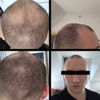
A 25-year-old male has been using finasteride every other day for over six months to address hair loss but continues to experience significant hair shedding. He is considering minoxidil but is hesitant due to scalp issues and potential sideeffects, and is contemplating whether to increase his finasteride dose or try other treatments.
The user discusses using finasteride and dutasteride for hair regrowth, avoiding minoxidil due to sideeffects and inconvenience. They find these treatments effective without needing minoxidil.
Finasteride and minoxidil are discussed as hair loss treatments, with mixed opinions on sideeffects like sexual dysfunction and mood changes. Some users report positive results, while others express concerns about potential risks and insufficient information.
A 48-year-old man has been using minoxidil for 15 years and considered finasteride but stopped due to potential sideeffects. He is concerned about his mental health and the impact of hair loss on self-image, and he encourages support among men experiencing hair loss.
A user shared their 5-year experience using minoxidil and finasteride, noting significant hair improvements without sideeffects. Consistency, a positive mindset, and lifestyle changes like a healthier diet and better sleep were key to their success.
Doctors in the UK are hesitant to prescribe finasteride for hair loss, leading many to seek it from online pharmacies. Users discuss sideeffects and alternative treatments like minoxidil, with some opting for online purchases due to ease and availability.
A 36-year-old switched from Finasteride to Dutasteride after 6 years due to thinning hair, adding oral Minoxidil for regrowth. Dutasteride improved hair thickness with fewer sideeffects, while Finasteride caused anxiety and back pain.
PP405 shows promising results for hair growth, potentially outperforming finasteride without sideeffects like erectile dysfunction. Users discuss using treatments like minoxidil, pyrilutamide, nizoral, and alfatradiol while waiting for PP405's availability.
Dutasteride mesotherapy is discussed as a potential treatment for hair loss, with some users suggesting it offers a slight boost when combined with oral minoxidil, though it's costly. Concerns about sideeffects and systemic absorption are noted, with alternatives like topical dutasteride and microneedling suggested for home use.
GT20029 is a new hair loss treatment in Phase 3 trials in China, using PROTAC technology to target androgen receptors, potentially with fewer sideeffects than finasteride and minoxidil. VDPHL01, a second-generation minoxidil, is also mentioned as potentially more effective.
A user shares their hair regrowth journey using finasteride and minoxidil, highlighting lifestyle changes to enhance results. Another user reports negative sideeffects from finasteride and plans to try ketoconazole shampoo and natural oils.
The user experienced positive hair regrowth after 4-5 months using oral minoxidil (10mg) and finasteride (1mg) without sideeffects. Concerns were raised about the high dosage of minoxidil and potential long-term health risks.
The user experienced significant hair thickening after one year of using chewable finasteride (1.2 mg) and minoxidil (2.5 mg) without major sideeffects, except occasional low libido. The user sourced the treatments from Hims and noticed results around 5-6 months, with shedding lasting about two months.
Significant hair regrowth was achieved after 8 months on oral finasteride (1mg) and 5 months on oral minoxidil (5mg) without sideeffects. The user stressed the importance of patience and consistency, despite initial shedding.
The user switched from finasteride to dutasteride 0.5mg daily two years ago and has experienced hair maintenance and slight thickening without sideeffects. The user's libido increased after switching, and they are not using minoxidil.
Finasteride and minoxidil help maintain hair and slightly improve hairlines but are less effective at regrowing hair in bald areas, often needing a hair transplant for full restoration. Many users report no sideeffects and wish they had started treatment earlier.
The user has been using finasteride for 7 months, switched to dutasteride for 4 months, and has been applying topical minoxidil once daily for 11 months, resulting in noticeable hair regrowth and improved hair health. The user experienced some shedding after switching to dutasteride but reports no sideeffects and improved skin condition.
Minoxidil alone is often insufficient for significant hair regrowth, with many users experiencing limited results or sideeffects, leading them to add finasteride or dutasteride for better outcomes. Some users report initial improvements with minoxidil but eventually require additional treatments to maintain or enhance hair growth.
The user discusses their hair regrowth success with minoxidil, red light therapy, massage, and derma stamping but expresses concerns about using finasteride due to potential sideeffects. They are interested in using clascoterone as a topical treatment for hair loss and are exploring the possibility of creating a topical formula from raw clascoterone powder.
The user experienced significant hair regrowth using a daily oral combination of minoxidil (3mg) and finasteride (1.1mg) without sideeffects. Others shared their experiences with similar treatments, noting varying results and sideeffects.
DHT blockers like finasteride are not recommended for teenagers due to potential impacts on sexual development, though some users report no sideeffects. It's generally advised to wait until at least 18 and consult a doctor.
A 22-year-old is using minoxidil for hair loss but is hesitant to start finasteride due to mixed advice and fear of sideeffects. They seek guidance on whether to begin finasteride despite concerns about potential permanent sideeffects.
The user shared their positive experience with hair regrowth using oral finasteride and minoxidil, noting significant progress after nine months despite initial doubts and sideeffects. They emphasized the importance of patience, consistent treatment, and lifestyle changes like reducing stress and improving health.
A 31-year-old experienced significant hair regrowth after switching to oral Finasteride but reported dull orgasms as a sideeffect. Users suggested waiting for the body to adjust, reducing the dosage, or switching to topical Finasteride to manage sideeffects.
Finasteride is commonly used for hair loss, with mixed experiences regarding sexual sideeffects. Some users report no issues, while others experience difficulties, but many find increased confidence and libido.
Finasteride significantly improved hair density and hairline over 3.5 years, with no major sideeffects reported. Users discussed the effectiveness of finasteride, with some considering adding or switching to minoxidil, and shared personal experiences and timelines for seeing results.
Microneedling before applying topical finasteride or dutasteride may enhance their effectiveness by increasing local absorption in the scalp, despite concerns about systemic absorption. Users discuss combining this method with oral treatments and minoxidil, noting potential benefits and sideeffects.
A 22-year-old male is considering using Minoxidil and Finasteride for crown thinning but is concerned about potential sideeffects. He seeks advice on dosages, brands, and whether to use oral or topical treatments, while maintaining a regimen for dandruff and scalp care.
Adding a daily scalp massage with an acupressure device before applying minoxidil can enhance its effects by improving blood circulation, with no sideeffects. Users are advised to continue microneedling weekly and consider using a derma stamp to avoid scarring.