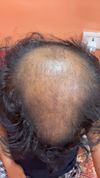
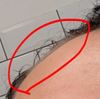
Oral minoxidil and vitamins reduced shedding for one user. Others distrust dermatologists and prefer personal research on treatments like finasteride and microneedling.
The conversation discusses creating a foam version of RU58841 for easier application on thick hair, comparing it to minoxidil foam. The user currently uses dutasteride, minoxidil, and needling for hair loss treatment.
Topical androgen receptor antagonists may not be necessary if 5-AR inhibitors like finasteride or dutasteride effectively reduce DHT levels. Combining a 5-AR inhibitor with a topical androgen antagonist could potentially enhance treatment, but oral use of androgen antagonists is too risky due to severe side effects.
The user is using 0.5 mg Dutasteride and 2.5 mg oral Minoxidil daily, along with weekly derma rolling, to address hair thinning. They have seen some improvement but are advised to wait at least 6 months for significant results.
A poem humorously suggests hope for a new hair loss treatment, PP405, while users debate the effectiveness and side effects of current treatments like Finasteride. Concerns are raised about Finasteride's side effects, especially for young users, and skepticism about new treatments is expressed.
A 20-year-old is experiencing severe diffuse thinning and shedding despite using oral minoxidil for 12 months and dutasteride for 8 months, after previously trying finasteride. They are frustrated with the lack of improvement and considering trying RU58841.
The conversation discusses using Dutasteride, oral Minoxidil, and other medications for hair loss, with the user expressing satisfaction despite potential side effects. The user prefers these treatments to maintain a youthful hairline, despite others suggesting alternative methods.
Pyrilutamide is considered by some as an alternative for those avoiding 5AR inhibitors like finasteride and dutasteride, but opinions on its effectiveness vary. Some users report similar results with fluridil and pyrilutamide, while others find pyrilutamide less effective compared to prescription treatments.
Most people using finasteride, minoxidil, or dutasteride for hair loss experience maintenance or regrowth, but they often don't discuss it publicly. Online forums may not accurately represent the typical success rates, as satisfied users rarely share their positive outcomes.
Fluridil and pyrilutamide are equally effective in stabilizing hair loss, with no regrowth observed. The user also uses dutasteride and minoxidil in their treatment.
The user is considering a hair loss treatment plan involving oral dutasteride (2.5 mg), oral minoxidil (2.5-10 mg), topical finasteride, and topical minoxidil, with additional options like ketoconazole shampoo and microneedling. They are seeking advice on whether to start with finasteride or dutasteride, the potential side effects, and the effectiveness of their approach, with a plan to evaluate results after 3-4 months.
The user shared progress pictures showing significant hair growth after using minoxidil, dutasteride, and ketoconazole shampoo. They reported seeing results in 1.5-2 months and discussed the effectiveness of oral treatments over topical ones.
The conversation discusses using minoxidil, finasteride, and multivitamins for hair regrowth, with additional treatments like microneedling and ketoconazole shampoo. Suggestions include continuing treatment, considering oral minoxidil, and possibly getting a hair transplant.
The conversation discusses hair regrowth using oral minoxidil, oral finasteride, topical minoxidil, red light therapy, massage, and a keto diet. The user reports positive results and no negative effects on libido, attributing this to a healthy lifestyle and additional supplements.
The user is experiencing significant hair loss and has been using 5% minoxidil for 11 months, finasteride for nearly 6 months, and gel tretinoin for 4 months, with inconsistent use of ketoconazole shampoo. Despite these treatments, they are losing 200-250 hairs daily and are concerned about the lack of stabilization and potential continuous hair loss.
People discuss hair loss treatments like finasteride, dutasteride, and minoxidil, debating side effects and effectiveness. Concerns about side effects, especially sexual ones, are common, with varying opinions on dosing strategies.
The user experienced significant hair regrowth using 1mg finasteride and 2.5mg oral minoxidil, improving from NW5-6 to NW3-4 in three months. They plan to get a hair transplant in February and reported no side effects except increased body hair growth.
Hair regrowth from treatments like minoxidil, RU58841, and finasteride is not permanent; stopping these treatments typically results in hair loss resuming. Beard hair can become permanent with minoxidil use, unlike scalp hair, which requires ongoing treatment to maintain gains.
The conversation discusses using Pyrilutamide, Alfatradiol 0.1%, and Minoxidil for hair loss treatment. Pyrilutamide is described as a strong antiandrogen, and Alfatradiol is noted for its effectiveness in inhibiting DHT on the scalp.
A user discusses their experience with hair loss, noting they don't notice shedding despite using finasteride, minoxidil, and tretinoin. Others share similar experiences, suggesting that shedding varies and may not occur for everyone using these treatments.
The conversation discusses hair thinning and treatments like finasteride, dutasteride, oral and topical minoxidil, and RU58841. Users share experiences with retrograde alopecia, hair transplants, and stress-related hair loss, while also considering thyroid issues and other potential causes.
Genetic factors, enzyme activity, and DHT sensitivity affect individual responses to hair loss treatments like finasteride, minoxidil, and dutasteride. Starting treatments early can slow hair loss, but results vary among individuals.
The user has been using 2mg minoxidil and 1mg finasteride daily for over a year, with inconsistent use for two months, and is experiencing a shedding phase. Suggestions include adding dutasteride, micro-needling, and considering a shorter haircut to manage appearance during shedding.
Significant hair regrowth was achieved using 1mg finasteride daily, 5% minoxidil nightly, and weekly 1.5mm microneedling, with no side effects. Topical minoxidil and microneedling are recommended for similar results.
Platelet-rich plasma (PRP) therapy for hair loss is expensive, painful, and often ineffective, with mixed reviews on its benefits. Alternatives like minoxidil, finasteride, and hair transplants are suggested as more reliable options.
The user is experiencing aggressive diffuse thinning despite using 1mg oral finasteride daily, topical minoxidil twice, microneedling, and Nizoral for seborrheic dermatitis. They are considering switching to dutasteride or RU58841 but are advised to seek a second opinion to determine the cause of hair loss.
A user stopped using 5% minoxidil and finasteride despite positive results to focus on enjoying life without the stress of hair care. They prioritize personal happiness and acceptance over hair maintenance.
The user is unsatisfied with their hair transplant and is considering another transplant, PRP, exosomes, or stem cells. They currently use topical minoxidil, dutasteride, and tretinoin.
The user switched to oral Dutasteride, added RU58841, and used Ketoconazole-enriched Minoxidil but still experiences scalp itch and hair loss after 4 months. They are advised to give Dutasteride more time, consider seeing a dermatologist, and explore other topical solutions.
The conversation discusses the scalp tension theory as a potential factor in hair loss, alongside DHT, inflammation, and other mechanisms. Treatments mentioned include finasteride, minoxidil, and botox injections, with some users exploring additional methods due to varying effectiveness.