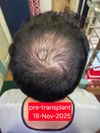
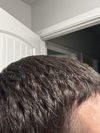
A user's progress with using Minoxidil, finasteride, and microneedling to treat hair loss; another user mentioned a Japanese study that found better results for hairy individuals on finasteride.
After one month of treatment for hair loss, which included Dutasteride, oral Minoxidil, PRP with Dutasteride mesotherapy, microneedling, supplements, and a shampoo with finasteride and minoxidil, the user observed thicker hair and signs of new hair growth with no bad side effects. They plan to provide another update at the three-month mark.
The conversation discusses Peptonix microneedling, a copper peptide serum, as a potential hair loss treatment. Users compare it to finasteride and minoxidil, noting side effects and personal experiences with these treatments.
The user underwent a second hair transplant for the crown and mid-scalp, achieving good density. They are using minoxidil, finasteride, and biotin, and considering PRP treatments to enhance growth.
Discussing a regimen to improve the user's hairline, with treatments proposed including minoxidil, rectal microneedling, IV drip of minoxidil, laser removal, PRP injection, topical minoxidil, divine protein shakes, stem cell injections, and keto shampoo.
This post and conversation are about the effects of Minoxidil on renal electrolytes transport in the Loop of Henle. The replies show a lack of interest and a brief summary stating that rectal Minoxidil electrolytes are bad.
The conversation is about someone's hair regrowth after 1.5 months using natural treatments, specifically a dermaroller and a mix of peppermint, pumpkin seed, and rosemary oils. A reply congratulates them and encourages them to maintain their routine.
This post and conversation are about the molecular mechanisms triggered by microneedling, specifically its effects on inflammation, tissue remodeling, epithelial proliferation, differentiation, and collagen synthesis. The discussion highlights the potential benefits of microneedling for hair loss treatment.
The post and conversation are about a user's 3-month progress using Minoxidil, Finasteride, Nizoral shampoo, and derma-rolling for hair loss. The user reports noticeable improvement in their hairline.
The conversation discusses the potential role of prolactin in hair loss and mentions treatments like HMI115, mucuna pruriens, Zinc, and B6 P5P for lowering prolactin levels. It also touches on the use of natural compounds and the lack of studies due to funding issues.
The user experienced hair regrowth and improved hair density using oral finasteride and topical minoxidil, with microneedling as an additional treatment. They are considering a hair transplant for low-density areas but are uncertain due to existing follicles.
The conversation is about finding a suitable hairbrush for diffuse thinning hair without causing separation or flattening. The user is using oral dutasteride, minoxidil foam, Nizoral, microneedling, and Pura D’or shampoo and conditioner.
The user stopped using topical finasteride and minoxidil, leading to hair thinning and shedding, and has since restarted the treatment. They are experiencing significant shedding and are seeking advice on whether this is normal and when improvement might occur, while using a regimen that includes Nutrafol, microneedling, Nioxin, and Nizoral.
Low oxytocin levels in hair are linked to reduced empathy and may affect hair growth. Cinnamic acid can promote hair growth by activating oxytocin receptors.
The conversation is about a nearly 10-month hair loss treatment regimen that includes 1mg finasteride daily, topical minoxidil twice daily, 1.5mm microneedling once or twice a week, and Nizoral shampoo 2-3 times a week. Users are supportive and inquire about the effectiveness of microneedling.
A 28-year-old male shares his 7-month progress after a crown hair transplant, using topical minoxidil foam, finasteride, and microneedling. He seeks feedback on whether his crown's progress is typical and if further thickening is expected between months 7 and 12.
The conversation is about people with advanced hair loss (Norwood 6 or 7) who have seen significant hair regrowth using treatments like finasteride, minoxidil, microneedling, and RU58841. Nine cases were collected to motivate others to try these treatments despite advanced hair loss.
BPC-157 may promote hair growth by increasing angiogenesis, similar to how Minoxidil works, though no direct research confirms this yet. Users report combining BPC-157 with Minoxidil and finasteride for better results, but concerns about long-term safety exist.
The user has been using a hair solution with 0.3% finasteride and 5% minoxidil, along with microneedling, but is experiencing more thinning on one side. Suggestions include checking application techniques and ensuring microneedling is not overdone.
Hair loss and potential treatments, primarily focusing on Finasteride and Minoxidil. Other solutions discussed include PRP, dermarolling, LLP, and scalp tension relief.
The conversation discusses concerns about using hair fibers while microneedling, specifically the potential for clogging pores. It is suggested that microneedling should not cause bleeding.
A user shared progress pictures showing hairline improvement after 2 years of using topical Minoxidil, 1mg oral Finasteride, and sporadic microneedling. Another user praised the progress and shared mutual encouragement.
The conversation discusses using hair follicle dermal papilla exosomes for hair loss treatment. It inquires about purchasing options for this treatment.
User shares 4-month hairline progress using minoxidil, finasteride, nizoral, and dermarolling. Others discuss treatment details and express admiration for the results.
A 41-year-old man shared his 3-month hair regrowth progress using 5% minoxidil and weekly microneedling. He applies minoxidil nightly and uses a topical mix of coffee, olive oil, rosemary oil, and vitamin oil after morning microneedling.
The user shared progress pictures showing hair thickening after 3 months of using a topical treatment of 0.3/6% finasteride/minoxidil. They also maintained their hair health with 1% Nizoral twice a week and dermastamping every 1.5-2 weeks.
A 33-year-old male is documenting his hair regrowth progress using minoxidil, red light therapy, copper peptides, and micro-needling, with noticeable improvement in hair thickness and coverage. He plans to add a topical finasteride/minoxidil spray and aims for a shadow on his scalp rather than a full head of hair.
The user shared their 3-month progress using 5% topical minoxidil and microneedling with a 1mm dermaroller, noting significant hair growth without using finasteride. They applied minoxidil twice daily and used the dermaroller three times a week, experiencing a short shedding phase after 2-3 weeks.
A user achieved significant hair regrowth from Norwood 3 to a dense Norwood 2 after five months using oral dutasteride, oral minoxidil, and a topical solution with minoxidil, retinoic acid, and hydrocortisone. The user reported no side effects and found the topical treatment especially effective for the hairline.