Low-Level Laser Therapy (LLLT) is considered expensive and may not provide significant benefits, with some users suggesting alternatives like finasteride, minoxidil, and microneedling. Many users report limited success with LLLT and similar treatments, recommending more proven options instead.
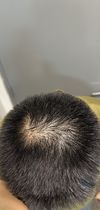
A 21-year-old university student started using Minoxidil and derma stamping for hair loss over two months ago. Despite poor sleep due to exams, the student is hopeful about improving their sleep schedule during the holidays and notes their hairline remains straight.
DLQ01, a prostaglandin F2α analog, shows promise for hair growth by directly stimulating PGE2/PGF receptors without needing conversion, and can be combined with minoxidil and retinoids like tretinoin for enhanced effectiveness. Minoxidil's efficacy may be reduced by COX-1 inhibitors, but using prostaglandin analogs like Latanoprost or Bimatoprost can help maintain its effectiveness.
The conversation discusses hair loss linked to BDNF-increasing nootropics like Semax and Lions Mane. Suggested topical treatments include capsaicin, beta-glucan, and ginseng to counteract TGF-B activation.
The conversation humorously discusses various methods of applying minoxidil for hair loss, with some users suggesting oral minoxidil as a more convenient option despite potential side effects. The original poster jokes about using a red light helmet with mesotherapy needles for continuous minoxidil application.
The user has been taking 1mg of finasteride every other day for two months, experiencing improved hair quality but disrupted sleep. They are seeking advice on whether the sleep issues will improve with continued use or if they should stop the medication.
Latanoprost for hair loss is available in Canada at Ford's Family Pharmacy in New Brunswick, with up to 0.03% concentration, six times stronger than glaucoma medication Xalatan.
The conversation discusses experiences with NMN supplementation for hair growth, with some users reporting increased hair growth activity and others seeing no significant changes. OP has been using dutasteride and oral minoxidil, and recently added NMN, noticing increased shedding, which they hope indicates new hair growth.
Minokem-N's composition is unclear, with concerns about unlisted hydrocortisone. Users discuss alternatives like AloATM, which lacks soothing agents, and the challenges of verifying ingredients.
PP405 shows promise for reactivating hair follicles, with potential maintenance using 5AR inhibitors. Current treatments like Minoxidil and finasteride are effective but have limitations, and there is hope for more effective solutions in the future.
The conversation is a humorous discussion about a Lego microneedling set for hair loss, comparing it to a wax pen. No specific treatments are mentioned.
A 36-year-old has been using oral finasteride (1 mg daily) and topical minoxidil twice a day since September 2023, and added LLLT (helmet) to their routine 2 months ago, seeing positive changes. They also use Ketoconazole shampoo, rotate other medical shampoos, train regularly, eat clean, and manage stress.
A 45-year-old male successfully slowed hair loss using Nizoral and low-level laser therapy (LLLT) but cannot use Minoxidil, finasteride, or dutasteride for medical reasons. He seeks suggestions for hair regrowth options.
The conversation discusses using a custom topical from Skin Medicinals containing latanoprost for hair loss, which helps move hairs into the anagen phase. The user is curious about the cost and effectiveness of this treatment.
Finasteride can cause sleep disturbances, but these often improve over time. Some users experience side effects like reduced libido and brain fog, while others see hair regrowth and manage side effects by adjusting dosage or switching to topical treatments.
The conversation discusses hair loss treatments, specifically the effectiveness and legitimacy of low-level laser therapy (LLLT) devices under $200. The user has seen positive results with finasteride, minoxidil, ketoconazole, microneedling, and scalp massages, and seeks advice on affordable LLLT options.
The conversation is about managing a hair loss routine using Minoxidil twice daily, Tretinoin cream once daily at night, and microneedling once daily at night. The user is seeking advice on how to incorporate these treatments effectively without overlapping too much at night.
Combining microneedling with Low Level Laser Therapy (LLLT) for hair growth, with discussions on device legitimacy and effectiveness. Alternatives like PEMF and the use of oral and topical treatments such as dutasteride, minoxidil, and finasteride are also considered.
Low-level laser therapy (LLLT) is discussed as a supplementary treatment for hair loss, with users recommending brands like LaserCap, Ideatherapy, Capillus Pro, and iRestore Pro. Users suggest combining LLLT with treatments like minoxidil and finasteride for better results.
The conversation discusses whether to take oral minoxidil in a split dose or a single dose at night. Users suggest that taking a single 10mg dose at night is simpler, while splitting may help minimize side effects.
Latanoprost is discussed as a potential hair loss treatment, noted for its synergy with minoxidil and 5-AR inhibitors, but concerns include its effectiveness on scalp hair, cost, and potential skin darkening. Some users express interest in trying latanoprost or bimatoprost despite limited real-world evidence.
The user is addressing hair loss with scalp botox, scalp massage, nizoral shampoo, various vitamins and supplements, and natural nitric oxide boosters like citrulline malate and beetroot powder. They are also considering a mouthpiece to reduce snoring and improve sleep.
The user is considering using CB or clascoterone for hair loss, potentially as an alternative to RU. They're also contemplating asking a dermatologist for topical clascoterone cream to apply to their temple.
The user observed that stopping nicotine and caffeine improved their scalp health while using oral finasteride. However, relapsing with caffeine and nicotine caused scalp tightness and inflammation.
The user has been using Minoxidil and Spiro for hair loss treatment but reduced the Minoxidil dosage due to side effects, leading to increased hair loss. They are considering adding the Inkey List caffeine stimulating scalp treatment to their routine and are seeking advice on its safety and effectiveness when used with Minoxidil.
Low Dose Naltrexone (LDN) may reduce inflammation in alopecia conditions. It is discussed as a potential adjunct treatment with finasteride or dutasteride for androgenic alopecia.
A user is seeking suggestions for a custom hair lotion mix containing minoxidil, finasteride, caffeine, niacinamide, and biotin. Another user suggests adding tretinoin, topical valproate, and bimatoprost.
Microneedling combined with latanoprost may convert vellus hairs to transitional or terminal hairs. The user suggests using oral minoxidil to increase vellus hair, then applying a high concentration of latanoprost with microneedling for conversion.