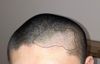
Gym and creatine can cause hair loss by increasing testosterone and androgenic activity. DHT blockers may help some, while others need androgen suppression with topical AA like RU or Pyri.
The user has been using finasteride, minoxidil, and a derma stamp for 3 months with significant improvement. They are now adding ketoconazole to their routine.
Trioxidil's effectiveness is questioned, with users suggesting it might be a marketing gimmick. Alternatives like Lipogaine and MSM are discussed, with some users sharing positive experiences with combining treatments like minoxidil and nanoxidil.
The user experienced gynecomastia from finasteride, used raloxifene to treat it, and is now taking both without new gyno symptoms but also without hair regrowth. They are seeking others' experiences with this combination and its effects on hair.
The user plans to use RU58841 in the morning and Pyrilutamide in the evening for hair loss treatment, considering replacing Fluridil with Pyrilutamide. They believe Pyrilutamide is effective.
The user has been using finasteride, minoxidil, a dermastamp, and red light therapy for six months with no visible improvement since the three-month mark. Other users noted improvement, particularly in the left temple area, and encouraged the user to continue.
The conversation is about gathering serum DHT data from individuals taking dutasteride to investigate its efficacy, especially in cases with unexpectedly low DHT reduction. The aim is to explore potential genetic factors affecting drug metabolism.
Hair loss therapies focusing on hair follicle sugar metabolism and aldose reductase. Potential treatments include magnesium supplements, avoiding high glycemic index foods, and antioxidants.
Concerns about the legitimacy of pyrilutamide solutions from Farmacia Tristaina due to low prices and lack of testing. Users suggest using Jano testing for product verification.
The user is experiencing one-sided diffuse thinning and has been using finasteride and liquid minoxidil for 4-5 years with minimal results. They are considering whether to save for a hair transplant or address scalp sensitivity and irritation first.
A user experienced accelerated hairline recession after adding dutasteride to their regimen of topical finasteride and minoxidil, despite reduced hair shedding. They were informed that ELISA testing for DHT levels can be highly inaccurate.
Intense microneedling with heavy pressure and bleeding did not improve hair growth after 4 months. The user advises against this method, noting no benefits and potential harm, and mentions using minoxidil without success.
A user shared their experience with microneedling and minoxidil for hair loss, avoiding finasteride due to concerns about systemic hormone effects. They reported slight hair regrowth after one month and plan to continue the regimen, noting improvements in skin sensitivity and managing dandruff with anti-dandruff shampoo.
A user has been taking finasteride for 7 months and is experiencing watery semen as the only side effect. They are considering taking zinc supplements to improve this condition.
Morr F Aqua, an alcohol-free Minoxidil, is discussed for its absorption effectiveness. Users also mention using finasteride and RU58841 for hair loss treatment.
The user has been experiencing diffuse hair thinning despite using finasteride, minoxidil, dermarolling, clobetasol cream, and PRP sessions. They seek advice on additional treatments and are advised to check vitamin D, iron, and thyroid levels.
The user has been using topical minoxidil for over a year and added kx826/pyrilutamide to improve hair growth, avoiding finasteride due to side effects like lowered libido and panic attacks. They report positive results with reduced shedding and healthier hair, particularly in areas previously unresponsive to minoxidil.
A user has been on finasteride for a year and minoxidil for six months, with no noticeable progress. They also use dermarolling and rosemary oil but are frustrated with the lack of results.
Oral minoxidil treatment increased hair density and shaft caliber in AGA patients. Side effects included hypertrichosis and lower extremity edema, with younger patients experiencing fewer side effects.
Kintor changed their KX-826 pictures on Amazon after backlash over fake images. Users are skeptical about the product's effectiveness and trustworthiness, with some preferring finasteride instead.
The conversation discusses two methods for making topical finasteride: using ethanol and propylene glycol or mixing it with topical minoxidil. The focus is on solubility and absorption, with a suggestion to crush pills finely and possibly mix with minoxidil at a slightly elevated temperature.
A user shared their hair regrowth progress using oral finasteride, biotin, topical minoxidil, and DS thickening shampoo over five months, reporting significant improvements in hair texture and growth. They experienced minor side effects like a slight headache from switching minoxidil forms but noted no issues with finasteride.
The conversation discusses hair loss treatments, mentioning minoxidil, finasteride, RU58841, VDPHL, GT20029, and follicle cloning as potential solutions. It also reveals that the discussion about PP405 was an April Fool's joke.
The user maintained hair with minoxidil, alfatradiol, and fluridil after stopping finasteride due to erectile dysfunction. They recently added pyrilutamide and are seeking feedback on its effectiveness after six months of use.
The user experienced improved hair density and thickness after using finasteride and dermarolling for 2.5 years but noticed hair loss when doing anaerobic exercise. They increased their finasteride dose and continued dermarolling but are considering not starting minoxidil due to its perceived hassle and uncertain long-term benefits.
A user recommends using a microscope to assess hair density and track hair loss progress, finding it useful for evaluating treatment effectiveness, particularly with dutasteride and minoxidil. They advise against obsessing over hair loss and emphasize focusing on other meaningful life aspects.
Setipiprant and Fevipiprant are questioned for their effectiveness in hair maintenance, with skepticism due to lack of convincing results beyond vellus hair growth. The user is satisfied with Minoxidil and Finasteride but is curious about the potential of DP2 inhibitors.
The user is stressed about hair loss and is using a HIMS topical treatment containing finasteride, ketoconazole, minoxidil, and biotin, but is concerned about the oily appearance it causes. They are considering switching to Rogaine (minoxidil) due to budget constraints and side effect concerns with oral finasteride.
A 30-year-old woman with androgenetic alopecia is considering bicalutamide to slow hair loss but is concerned about its impact on muscle growth due to its anti-androgen effects. Alternatives suggested include dutasteride, spironolactone, RU58841, and minoxidil, with concerns about bicalutamide's side effects.