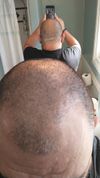
People with hair loss experience emotional struggles and body dysmorphia. Treatments like minoxidil, finasteride, and dutasteride are used, but results vary and can take time.
The user experienced side effects commonly attributed to Finasteride without ever taking the drug, suggesting these issues may stem from other life factors. They advise considering other potential causes before blaming Finasteride for such side effects.
Creatine may cause hair shedding in some individuals, particularly those with genetic sensitivity to hair loss, but this is not universally experienced. Finasteride users report mixed results, with some experiencing resumed shedding when taking creatine.
Silicone and dimethicone in shampoos may hinder Minoxidil absorption, while Tretinoin and microneedling can enhance its efficacy. Users discuss applying Tretinoin before Minoxidil, waiting for it to dry first.
A user shared their positive experience with hair regrowth using finasteride and minoxidil, noting improvements in hair thickness and confidence. They also mentioned using a dermaroller and managing side effects, while others in the conversation shared similar experiences and advice on hair loss treatments.
The conversation discusses potential future hair loss treatments, including SCUBE3, hair follicle cloning, and GT20029, with mentions of past disappointments like CosmeRNA and hopes for treatments like Verteporfin for infinite donor hair.
Topical melatonin may help reduce hair loss and increase hair thickness in people with androgenetic alopecia (AGA), with some studies showing positive results. It can be mixed with minoxidil for application, and its effectiveness might be enhanced when used with micro-needling, but results may vary among individuals.
The conversation is about managing allopregnanolone deficiency caused by 5-alpha-reductase inhibitors like finasteride or dutasteride. Specific treatments discussed for hair loss include Minoxidil, finasteride, and RU58841.
Finasteride is believed to slow down hair loss significantly, but may not completely stop it for everyone. Effectiveness and duration vary by individual, with some users experiencing positive results for over 10 years, while others see less benefit.
A male in his thirties with a Norwood 2 hairline questions if gym gains and supplements like creatine cause hair loss. Responses suggest that while exercise can slightly increase testosterone and DHT, genetics primarily determine hair loss, and treatments like finasteride are recommended for DHT control.
The conversation discusses hair loss treatments, specifically the progress made with Pyrilutamide over 15 months. One person suggests using oral Minoxidil or Dutasteride, but another mentions experiencing negative side effects from oral Finasteride.
The user is considering starting a 6-month treatment with minoxidil and finasteride for hair loss but is unsure due to minimal current hair loss and concerns about mental health effects from oral finasteride. They are uncertain about the correct application areas for these treatments.
The user noticed hair density improvement after 1.4 years on finasteride, with additional use of minoxidil on the temples. Other users discussed various treatments like dutasteride, estrogen, and hair transplants, sharing personal experiences and advice.
A 25-year-old is using vinpocetine to enhance the absorption of topical Minoxidil for hair loss. They also use a hair tonic and supplement with Glycine, Taurine, Creatine, and Citrulline.
The conversation discusses whether using pyrilutamide would interfere with minoxidil's ability to regrow hair, considering pyrilutamide is seen as a maintenance drug that stops shedding, while minoxidil promotes hair growth but causes initial shedding.
The conversation discusses whether drinking green tea affects hair loss, with one user concerned it might increase DHT levels. The user is already using finasteride and wants to ensure green tea doesn't hinder progress.
The conversation discusses the delay in the release of a new hair loss treatment, Pyrilutamide, and speculates on potential safety concerns as a reason for the delay. It also mentions GT20029 as another future treatment option, with a release at least five years away, and touches on the avoidance of research chemicals due to uncertainty about their authenticity.
Finasteride is effective for hair regrowth, especially on the crown, but can cause side effects like reduced libido and erectile dysfunction in some users. Opinions are mixed, with some reporting positive results without side effects and others experiencing significant issues.
A 34-year-old user shared their 8-month progress using minoxidil and finasteride for hair loss, reporting significant improvement without noticeable side effects. They started minoxidil in May 2024 and added finasteride in September, experiencing some shedding initially but achieving good results over time.
Hair loss can be distressing, but treatments like finasteride, minoxidil, and scalp micropigmentation can help manage it. Embrace self-improvement, focus on personal goals, and maintain a positive attitude despite hair loss challenges.
The conversation is about hair regrowth and treatments for hair loss, specifically discussing the use of minoxidil, dermarolling, and finasteride. Users suggest starting finasteride to prevent further hair loss and potentially regrow thicker hair, while some express concerns about its effects on sperm count.
The user documented hair regrowth progress over 8 weeks using Minoxidil foam twice daily and weekly microneedling. Another user suggested adding finasteride for better results.
DIM is suggested to help with estrogen metabolism for those on finasteride or dutasteride, potentially reversing side effects like fat gain and mood changes. Some users doubt its effectiveness, recommending lifestyle changes or consulting a doctor instead.
Minoxidil may inhibit collagen synthesis at high concentrations, with anecdotal reports of skin aging but limited research. Dermatologists and other specialists show little interest in studying minoxidil's side effects.
Missing one day of finasteride is humorously discussed, with suggestions to use additional treatments like dutasteride, RU58841, minoxidil, and microneedling. Some users jokingly suggest shaving the head or traveling for hair restoration.
Hair loss discussion includes treatments like Minoxidil, Finasteride, and RU58841. Conversation highlights double standards with hair fibers and women's wigs/makeup/extensions/eyelashes.
This conversation discussed the side effects of Minoxidil for hair loss, with users sharing their experiences. Treatments such as Retinol and Tretinoin were suggested alongside topical or oral Minoxidil to reduce any negative impacts.
A 20-year-old is experiencing hair thinning despite using minoxidil inconsistently for 1.5 years and is considering adding finasteride due to concerns about side effects. They are unsure whether to increase minoxidil application, start finasteride, or if the hair loss is exaggerated in their perception.
Stemoxydine's effects on hair growth are uncertain and not well-studied, with users reporting mixed results and concerns about maintaining gains. Some users combine it with 5AR inhibitors like Dutasteride, but results vary, and conditions like lichen planopilaris complicate treatment.
The conversation is about long-term finasteride use for hair loss, with users discussing periods of improvement and worsening, and considering switching to dutasteride. Other treatments mentioned include minoxidil, red light therapy, microneedling, and scalp massaging.