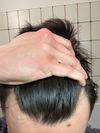
Microneedling combined with tretinoin is discussed for its effectiveness in treating hair loss. Minoxidil, finasteride, and RU58841 are also mentioned as potential treatments.
PP405 is progressing rapidly through trials, with mixed opinions on its potential effectiveness. Current treatments like minoxidil and finasteride are still widely discussed, with some users reporting positive results from new formulations.
The conversation discusses the potential effects of ashwagandha on hair loss and anxiety, with users sharing mixed experiences. Some users caution against ashwagandha due to its potential to increase testosterone and DHT, which could counteract finasteride's benefits, while others suggest alternative methods like exercise, cold showers, or different supplements for managing anxiety.
The conversation discusses using finasteride and ashwagandha for hair loss, with some users noting potential benefits and drawbacks. Minoxidil, peppermint oil, and creatine are also mentioned, with mixed opinions on their effectiveness.
RU58841, a potential hair loss treatment, was not commercialized due to marketability issues and lack of long-term safety data. Concerns about its formulation and delivery methods further complicate its use.
A sugar gel called 2-deoxy-D-ribose (2dDR) shows potential for promoting hair regrowth by increasing blood supply to hair follicles, similar to Minoxidil, but its effectiveness in humans is unproven. It may benefit those who don't tolerate Minoxidil, but it is not a replacement for treatments like Finasteride or RU58841.
A 24-year-old with mild temple recession is using 5% minoxidil without noticeable effects and has started topical finasteride but is anxious about potential side effects. They are considering a specialist visit for peace of mind despite the cost.
A user shared a success story showing hair regrowth over 10 years, attributing it to quitting creatine and taking 0.5mg finasteride. Some commenters were skeptical about creatine's impact, while others inquired about side effects, and the original poster reported no negative effects from finasteride.
User shared a 4-month progress update on using minoxidil and 1.5 months on finasteride for hair loss. Reactions were mixed, with some expressing disbelief and others feeling inspired to start treatment.
The user has been taking 1mg finasteride daily for a year with no improvement in hair loss and reports low cortisol levels, sleep issues, and anxiety changes. The conversation includes discussions on the potential effects of finasteride on cortisol and neurosteroids, with suggestions to consult a doctor and consider other factors.
Hair loss discussion includes Amplifica, a new treatment by Dr. Rassman and Dr. Plikus using molecules from hairy moles. No progress updates mentioned.
The conversation humorously discusses hair loss treatments, focusing on finasteride, dutasteride, and minoxidil, with users joking about misleading others to keep treatments secret. It includes sarcastic comments about side effects and ineffective remedies.
Hair loss sufferers becoming hyper aware of shedding, and the various treatments available for reducing shedding. The conversation also discussed differentiating between shedding and balding, as well as the potential side effects from using certain treatments.
The conversation is about a user who experienced significant hair recovery using 5% Minoxidil and 0.1% Finasteride, specifically with the Traya brand. The user emphasizes consistency and early treatment for effective results, noting improvements in hair volume and some side effects like dry scalp.
A 17-year-old improved his hairline using minoxidil and derma stamping, planning to start finasteride at 18. He received advice on dosing and potential side effects to maintain results.
The user is generally happy with their hair transplant results but has concerns about graft density and placement, particularly on the left temple and hairline. They are using finasteride and minoxidil inconsistently, plan to add Priorin, and are considering microneedling and PRP sessions for future care.
A new supplement for hair growth combines black rice, prickly pear, and saw palmetto, showing promising results in increasing hair density and reducing hair loss. The supplement is considered a drug-free alternative to traditional treatments like minoxidil and finasteride.
The conversation discusses converting liquid minoxidil into a foam version to save money. The user is exploring if a foam sprayer can achieve this or if additional ingredients are needed.
A 48-year-old man has been using finasteride at 1mg three times a week for two years, seeing some hair regrowth but noting lighting affects appearance. He is considering adding minoxidil but is concerned about shedding.
CRISPR Cas9 could potentially treat baldness by targeting specific genes in hair follicles without affecting other body functions. There is optimism about its future use, despite ethical concerns and the current reliance on treatments like minoxidil and finasteride.
Apple core extract pills, believed to enhance hair density, are discussed as a potential treatment for hair loss. Users express cautious optimism and interest in trying the product, while acknowledging skepticism and the high cost.
Minoxidil and caffeine may interact, affecting hair growth results. Users shared mixed experiences, with some noticing improvements without caffeine and others still seeing results despite coffee consumption.
A 23-year-old user shared progress pictures after 12 months of using 1.25mg finasteride daily, reporting reduced hair shedding and considering adding 2.5mg oral minoxidil for further improvement. The discussion includes potential side effects of oral minoxidil, with users advising caution and monitoring under medical supervision.
A user experienced severe side effects from finasteride, including mental health issues and physical symptoms, and sought advice on managing post-finasteride syndrome. Suggestions included checking vitamin levels, considering dopamine agonists, and avoiding further psychiatric medications.
The conversation discusses a user's experiment of "burning the scalp" to treat hair loss, with mixed opinions on its effectiveness. Some suggest returning to proven treatments like finasteride and minoxidil, while others note slight improvements in hair density.
Lactobacillus reuteri 6475 is being used by a person who reports healthier hair after one month, despite initial shedding. The discussion includes speculation about its effects on gut bacteria and scalp inflammation.
Microneedling, when combined with finasteride and topical minoxidil, can enhance hair regrowth for male pattern baldness, especially at the temples. Users report varying success with needle depths between 0.5mm and 1.5mm, with stamps preferred over rollers to minimize scalp damage.
Hair loss research is important and contributes to overall scientific advancement, benefiting emotional well-being and potentially aiding other medical fields. Treatments mentioned include PP405 and SCUBE3.
The user noticed hair density improvement after 1.4 years on finasteride, with additional use of minoxidil on the temples. Other users discussed various treatments like dutasteride, estrogen, and hair transplants, sharing personal experiences and advice.
RU58841 may still be potent after being left unopened for four months if protected from light and air. A user reported hair improvement using RU58841 with minoxidil, without major shedding, over 2.5 years.