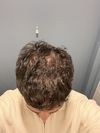
The daily regimen includes oral finasteride, topical minoxidil, and witch hazel toner to reduce itchiness. Witch hazel is noted for its hydrating properties and affordability.
The user reduced their finasteride dosage from 1.25mg to 1mg and experienced scalp burning and itching. They are concerned about potential hair loss and are seeking advice from others who have made similar dosage changes.
A 41-year-old has been using finasteride for 16 years with great results but is now experiencing temporal hair loss. Suggestions include switching to dutasteride, adding oral minoxidil, and considering a combination of treatments, while noting that supplements and weightlifting likely don't interfere with finasteride's effectiveness.
The conversation is about experiences with Dutasteride Mesotherapy and its symptoms compared to oral dutasteride. Users discuss the effectiveness and side effects of this treatment for hair loss.
A user shared their hair regrowth progress using Dutasteride, topical Minoxidil, Spironolactone, and Estradiol Valerate injections as part of hormone replacement therapy for transitioning. They experienced significant hair improvement and personal satisfaction but caution against this approach for non-transitioning individuals due to irreversible changes.
Low-dose oral minoxidil is used for hair loss and does not significantly affect blood pressure but may increase heart rate and cause hypotensive symptoms. Some users experience side effects like palpitations and shortness of breath, while others find it effective; topical minoxidil with tretinoin is also considered.
The user reported progress in hair growth after 4 months using 0.5 mg finasteride and 2.5 mg minoxidil daily, and is considering adding RU58841 to block DHT on the scalp. They experienced side effects like reduced libido and mild erectile dysfunction, and take supplements like zinc, iron, fish oil, vitamin D, magnesium, and vitamin E.
A 19-year-old is experiencing hair loss and has been using Rogaine for a month and finasteride for four days without improvement, while also experiencing testicular discomfort. They are concerned about losing hair density and potential DUPA, comparing their situation to their father's hair condition.
A 25-year-old male experiencing diffuse thinning is advised to address high TSH levels and low iron, and consider treatments like finasteride. Weight loss and improved diet are also suggested to potentially help with hair health.
A user's experience with using 5AR inhibitors (Finasteride and Dutasteride) in combination with Minoxidil foam and microneedling, which resulted in substantial improvements to their crown density and hairline, despite high systemic levels of testosterone and dihydrotestosterone.
User shared a 1-year update on finasteride, noting thicker hair but mild side effects like reduced libido and mild ED. Considering reducing the dose from 1mg to 0.5mg daily to alleviate side effects.
The user is experiencing hair thinning and bald spots, using Nizoral, rosemary oil, fluocinolone, and receiving PRP treatments. They are considering oral minoxidil and finasteride but are hesitant due to age and financial constraints.
A 25-year-old male is experiencing worsening hair loss after 3 months of using topical minoxidil, finasteride, and Redensyl, with users suggesting patience, potential hormonal factors, and considering alternative treatments like dutasteride and oral minoxidil. Shedding is noted as a common phase, indicating potential future hair regrowth.
A 29-year-old shares their 3-4 month progress using 2.5 mg Minoxidil and 1.0 mg Finasteride daily for hair loss, noting improved hair density and color. They experienced initial body itching and occasional dips in sex drive but are satisfied with the results.
The release of a study on 5a-reductase inhibitors (finasteride and dutasteride) which showed an increased risk of depression, dementia, decreased libido, and reduced semen load as potential side effects; discussion around other forms of hair loss treatments such as topical minoxidil, RU58841, or opting to accept baldness; and advice to consider professional help for deeper issues related to hair loss.
A user experienced persistent headaches after a stressful week and questioned if 0.25mg finasteride could be the cause, despite using minoxidil for two years. Another user suggested stress is likely the main factor, not the medication, and advised consulting a healthcare provider if headaches persist.
A user with female pattern hair loss who tried minoxidil and various oils and supplements, but saw results only after taking iron tablets. The conversation also offered advice to get blood tests done to see if there are underlying issues causing the hair loss.
The user experienced hair thickening and reduced shedding using minoxidil, finasteride, and dutasteride, with a switch from finasteride to dutasteride due to ineffectiveness. They also use a saw palmetto shampoo and take vitamin D3 supplements, while considering potential underlying causes like vitamin deficiencies and hard water buildup.
Dutasteride effectively reduces DHT levels and significantly increases testosterone levels. Users are cautious about adding oral minoxidil due to potential heart issues and are considering dosage adjustments with medical guidance.
User experienced side effects from Minoxidil and is switching to Nanoxidil. They are also using Finasteride and seeking advice on preventing hair loss.
A user is concerned about receding hairlines and considers using finasteride and minoxidil but is hesitant due to potential side effects. Others advise starting treatment early to prevent further hair loss, emphasizing that finasteride is generally safe and effective for prevention.
The user is experiencing side effects like light-headedness and breathlessness from taking Dutasteride, Minoxidil, and Biotin orally. They are considering taking the medication at night to alleviate these symptoms.
The user experienced significant hair regrowth using oral minoxidil 2mg and oral finasteride 1mg daily for three months, with no side effects except a shedding phase. They feel happier and emphasize the importance of emotional well-being in overall health.
A 25-year-old woman with androgenic alopecia has been using minoxidil, spironolactone, and dutasteride but sees little improvement in hair thinning. She is considering switching to oral minoxidil and exploring other treatments like PRP and hair systems.
A 21-year-old is experiencing aggressive hair loss and dandruff, possibly due to seborrheic dermatitis, and is using pumpkin seed oil, scalp massages, and anti-dandruff shampoo as treatments. They are hesitant to use prescribed Finasteride and Minoxidil and have noticed some improvement after stopping Serenoa capsules.
The conversation discusses concerns about potential side effects, specifically gynecomastia, from taking 1mg of finasteride every other day for hair loss. Bloodwork results were shared, but more information was requested to provide advice.
Hair loss treatments discussed include cosmeRNA, minoxidil, finasteride, RU58841, and pyrilutamide. Users debate effectiveness, side effects, and upcoming treatments, with some expressing skepticism and others optimism.
A 24-year-old shares their positive 4-month progress using 0.5 mg oral finasteride and 5% topical minoxidil for hair loss, reporting no significant side effects. Other users discuss similar experiences and regimens, with some expressing concerns about potential side effects.
An SSRI (paroxetine) reduced hair loss and itching for a user with male-pattern baldness, but liver issues forced discontinuation, leading to increased hair loss and anxiety. The user plans to try other anti-anxiety medications, noting stress and anxiety significantly impact hair loss.