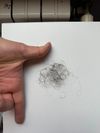
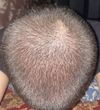
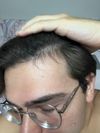
The conversation is about using micro needling and PTD-DBM for hair loss treatment. The user applies PTD-DBM drops on weekdays and performs micro needling weekly.
The user has been using minoxidil and dermarolling for 9 months and saw palmetto for 2 weeks to address female pattern baldness with vertex balding. They are seeking feedback on any progress in hair regrowth.
Hair regrowth and gender transition using finasteride, estrogen, and spironolactone. Significant hair regrowth and personal transformation were achieved through hormone replacement therapy.
Switching from oral minoxidil back to topical due to heart issues and palpitations. Users discuss experiences with minoxidil and finasteride, with mixed results and concerns about side effects.
The user discusses switching from multiple vitamins to a single multivitamin pill. They also mention using oral finasteride and topical minoxidil with finasteride for hair loss treatment.
The user is using a mix of supplements, including Minoxidil, to address androgenetic alopecia and is concerned about zinc dosage potentially causing issues. They plan to discuss their treatment and supplement regimen with a dermatologist.
A 25-year-old male has been using finasteride every other day for over six months to address hair loss but continues to experience significant hair shedding. He is considering minoxidil but is hesitant due to scalp issues and potential side effects, and is contemplating whether to increase his finasteride dose or try other treatments.
A 24-year-old started using 1 mg oral finasteride, 5% topical minoxidil, and 1 mm microneedling every other week for hair loss, reporting no side effects and noticeable improvement after four months. The user clarified a typo in the title, initially suggesting meditation instead of medication.
The user reported progress in hair regrowth after 3 months using finasteride, biotin, and minoxidil, with no sexual side effects. Most responses noted significant improvement, encouraging continued use for full results.
Switching from topical to oral minoxidil caused prolonged hair shedding without regrowth, leading to the use of both topical and oral minoxidil with oral finasteride. Responses to these treatments vary, emphasizing the need for personalized approaches.
Certain oils and treatments used for natural breast enhancement, like fenugreek oil and shatavari, may also help with androgenetic alopecia due to their estrogen link. The discussion suggests these items might pause hair loss.
The user is using oral minoxidil and dutasteride for hair loss and observed changes in blood pressure after taking oral minoxidil. They experienced no visible symptoms from topical minoxidil, finasteride, or other treatments and are seeking feedback on whether these blood pressure changes are typical for oral minoxidil users.
A vegetarian with IBS is considering reintroducing fish to improve gut and hair health due to protein concerns. Suggestions include adding tofu, avoiding vegan protein shakes, and considering a more carb/fat dominant diet.
The user has been using oral minoxidil for 4 years and durum wheat 3 days a week for 7 months, but is experiencing increased hair loss when washing hair. They suspect it might be due to decreased DHT levels and are seeking similar experiences from others.
A user discusses their hair thinning journey, starting minoxidil at 16, switching treatments, and experiencing significant shedding after resuming minoxidil. They are now using minoxidil daily and considering PRP if shedding continues, while also planning lifestyle changes to improve their condition.
The user, Salt_Ad6339, shares their positive experience with hair regrowth after using minoxidil and finasteride for a year, along with microneedling. However, they also mention experiencing chest/nipple pain and suspect it may be a side effect of finasteride. They decide to stop using it for now and see if minoxidil alone can maintain their hair. Other users in the conversation discuss the potential side effects of finasteride and suggest using an aromatase inhibitor to counteract them.
An 18-year-old noticed hair thinning at 17, started finasteride 5 months ago, and saw shedding stop but no regrowth. They suspect male pattern baldness due to family history and are concerned about thinning on the back and sides, possibly due to inflammation.
The conversation discusses hair thinning and treatments like finasteride, dutasteride, oral and topical minoxidil, and RU58841. Users share experiences with retrograde alopecia, hair transplants, and stress-related hair loss, while also considering thyroid issues and other potential causes.
A 21-year-old shared a 7-month update on using 1mg finasteride and minoxidil for hair loss, reporting positive results with no side effects except watery semen. The user initially stopped minoxidil due to inconvenience but resumed it after shedding, and is satisfied with the progress despite some thinning at the crown.
The user is concerned about worsening hairline after 4 months of using minoxidil, noticing shorter hairs and potential hair loss. Another user advises that initial shedding is normal and suggests continuing the treatment for better results.
A user reported no improvement in hair loss after nearly a year of using 1mg oral finasteride, topical minoxidil twice daily, and weekly microneedling. Other users suggested the possibility of DUPA or retrograde alopecia and mentioned that treatments might only slow down hair loss rather than regrow hair.
A 22-year-old experiencing intense hair loss across the scalp seeks advice, considering factors like nutrition and genetics. Suggestions include checking vitamin, mineral, and thyroid levels.
The user experienced significant hair thinning despite using finasteride and minoxidil, leading to concerns about whether it's a temporary shed or a more serious issue. They plan to start using RU58841 and are advised to consult a doctor to rule out other causes like autoimmune disorders.
The user is considering stopping topical minoxidil due to inconvenience and side effects while continuing finasteride for hair loss. They seek advice on the experience of stopping minoxidil and potential alternatives.
A user's experience with microneedling monotherapy and potential treatments such as finasteride, minoxidil, Stemoxydine, rosemary oil, peppermint oil, and RU58841 for reversing hair loss.
A 26-year-old male with grade 3 hair loss is using 2.5 mg oral minoxidil, 1 mg finasteride, 5% minoxidil, ketoconazole shampoo, and kLM d3. He plans to post progress pictures every 6 weeks and is seeking suggestions.
Finasteride can increase total testosterone and potentially raise estrogen levels, leading to side effects. Biotin in combined tablets can falsely elevate thyroid hormone levels in blood tests.
Balding scalps have more androgen receptors, leading to increased TGF-beta, which causes blood vessel loss and hair follicle miniaturization. Blocking androgen signaling and TGF-beta may help prevent hair loss.
The user has been using minoxidil for almost 6 months and finasteride for almost 4 months, experiencing significant shedding and minimal stabilization. They are considering switching to dutasteride if no improvements are seen and are advised to be patient, as results may take up to 2 years.
The user has been microneedling weekly for almost 8 months without seeing progress and is experiencing shedding. They are also using finasteride daily and Kirkland minoxidil twice a day, and had a hair transplant after starting finasteride.